Finished reading: The Goblin Emperor by Katherine Addison is a great story about an outsider being thrust into power and the decisions they need to make without compromising their ideals 📚
Finished reading: The Goblin Emperor by Katherine Addison is a great story about an outsider being thrust into power and the decisions they need to make without compromising their ideals 📚
Finished reading: I really enjoyed Hands of Time by Rebecca Struthers. Although notionally about mechanical watches, there’s also interesting ideas about time, building things by hand, and focusing on what really matters.
The book also resurrected an internal debate about the Apple Watch vs mechanical watches. For now, I’m going to take this as inspiration to reconsider my watch faces 📚

Finished reading: Blue Mars by Kim Stanley Robinson finishes the remarkable trilogy. Robinson’s meticulous detail (though occasionally overwhelming) really brings Mars to life, along with compelling characters and ideas. Although I sympathize with the “reds”, I think the series ended appropriately 📚
Finished reading: I enjoyed The Dragon Reborn by Robert Jordan. I’m simultaneously pleased and daunted by the number of books left in this series 📚
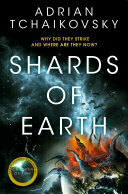
Finished reading: Shards of Earth by Adrian Tchaikovsky is a great start to the series. I enjoy a good story about plucky humans taking on powerful and mysterious aliens with inscrutable motivations 📚

Finished reading: Shaman by Kim Stanley Robinson is a compelling and richly detailed story about a prehistoric tribe. Since I’m on vacation at a cottage in the woods, I felt a stronger connection with the world of the book than I might have at home 📚
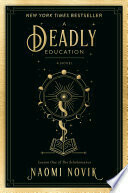
Finished reading: I enjoyed the evil, killer Hogwarts of A Deadly Education by Naomi Novik 📚
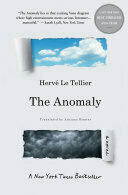
Finished reading: I really enjoyed The Anomaly by Hervé Le Tellier. I think this is the first story I’ve read that really explores the implications of the simulation hypothesis 📚
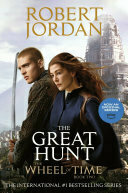
Finished reading: The Great Hunt by Robert Jordan continues the imaginative and entertaining series 📚
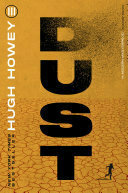
Finished reading: Dust by Hugh Howey is a good ending to the trilogy with a nice note of hope. I hadn’t enjoyed the second book in the series as much as the first, but Dust put it in perspective and I appreciate it better now 📚
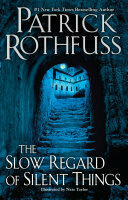
Finished reading: Although very strange, I enjoyed The Slow Regard of Silent Things by Patrick Rothfuss. There’s no need to read the book to understand the rest of the series and it wouldn’t make much sense as a standalone. Nonetheless, learning more about Auri and great writing make it worthwhile 📚
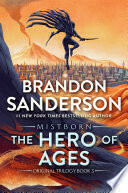
Finished reading: The Hero of Ages by Brandon Sanderson is a satisfying end to an entertaining trilogy. I enjoyed the creative world building and interesting characters across the three books📚
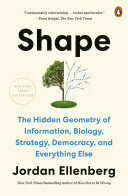
Finished reading: Shape by Jordan Ellenberg is a delightfully meandering book about geometry and why it is important. The book is much more about people than math. Well worth reading 📚
Finished reading: The Wise Man’s Fear by Patrick Rothfuss is a good second book in the series. The long, imaginative fantasy narrative is exactly what I was looking for in a book 📚
Finished reading: An Emergency in Ottawa by Paul Wells is a good, short read on a very consequential period in recent Canadian history 📚
Finished reading: Fugitive Telemetry by Martha Wells is another fun, short Murderbot story. I like that these are staying simple and sarcastic📚
Finished reading: Enemy of All Mankind by Steven Johnson is fascinating. The importance of a seemingly small incident is really well explained and shows how such a thing can reverberate through history 📚

Finished reading: The Scout Mindset by Julia Galef includes some good tips for keeping an open mind and incorporating constructive feedback 📚
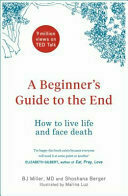
Finished reading: A Beginner’s Guide to the End by B. J. Miller and Shoshana Berger. I’m grateful that I didn’t need to read this book now. That said, this is an important topic, best thought about when it isn’t an emergency. Despite a few America-specific points that don’t apply to this Canadian, there’s lots of useful and careful advice in this book 📚
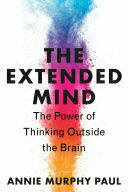
Finished reading: The Extended Mind by Annie Murphy Paul is full of great content. I was much more cerebral in my youth and have been externalizing thought much more productively recently. This book helps confirm the approach and adds new techniques 📚
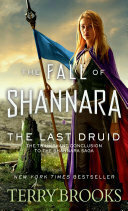
Finished reading: The Last Druid by Terry Brooks. I’ll confess to reading this only to finish off the entire Shannara collection. This is the fourth book in the The Fall of Shannara series and much better than the middle two, which seemed far too rote. The original series is still my favourite, though I also quite liked The Genesis of Shannara trilogy. 📚
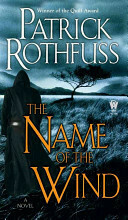
Finished reading: The Name of the Wind by Patrick Rothfuss is really good. I enjoyed the characters, world building, and narrative structure. I’m curious to read the next book, once I’ve finished a few other books in the reading queue📚
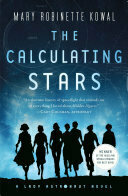
Finished reading: The Calculating Stars by Mary Robinette Kowal is a fantastic alternative history of the space race. The sexism and racism in the story is infuriating (which is exactly the point). I’m looking forward to reading the next book📚

Finished reading: Project Hail Mary by Andy Weir was great fun. We should have more enthusiastic high school science teachers as heros in our stories📚
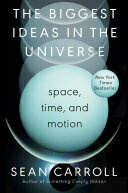
Finished reading: The Biggest Ideas in the Universe by Sean Carroll. I really appreciated this book. Starting from high school math, Carroll leads you through 200 crisp and entertaining pages to actually show you how to derive Einstein’s Theory of General Relativity. A nice middle ground between the analogies of popular science books and the intense detail of a text book. I’m looking forward to the next book in the series. 📚

Currently reading: All the Math You Missed by Thomas A. Garrity. I’m looking forward to this challenge 📚
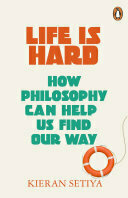
Finished reading: Life Is Hard by Kieran Setiya is a good, pragmatic book about how philosophy can help you navigate difficult times. I appreciate Setiya’s easy going style and his approach is a good complement to Oliver Burkman’s practical advice 📚
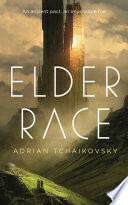
Finished reading: Elder Race by Adrian Tchaikovsky. A fun read. I really liked the structure of alternating each chapter between fantasy and sci-fi, plus the story was intriguing 📚
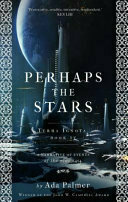
Finished reading: Perhaps the Stars by Ada Palmer. A satisfying ending to the Terra Ignota series. I really enjoyed this series, though it can be a tough read. Jammed full of ideas and rich details, which can seem overwhelming at times. In the end, I’m not sure it was a successful novel, despite the ambition and fascinating world building📚
Great additions to my reading list. Family knows me well 📚