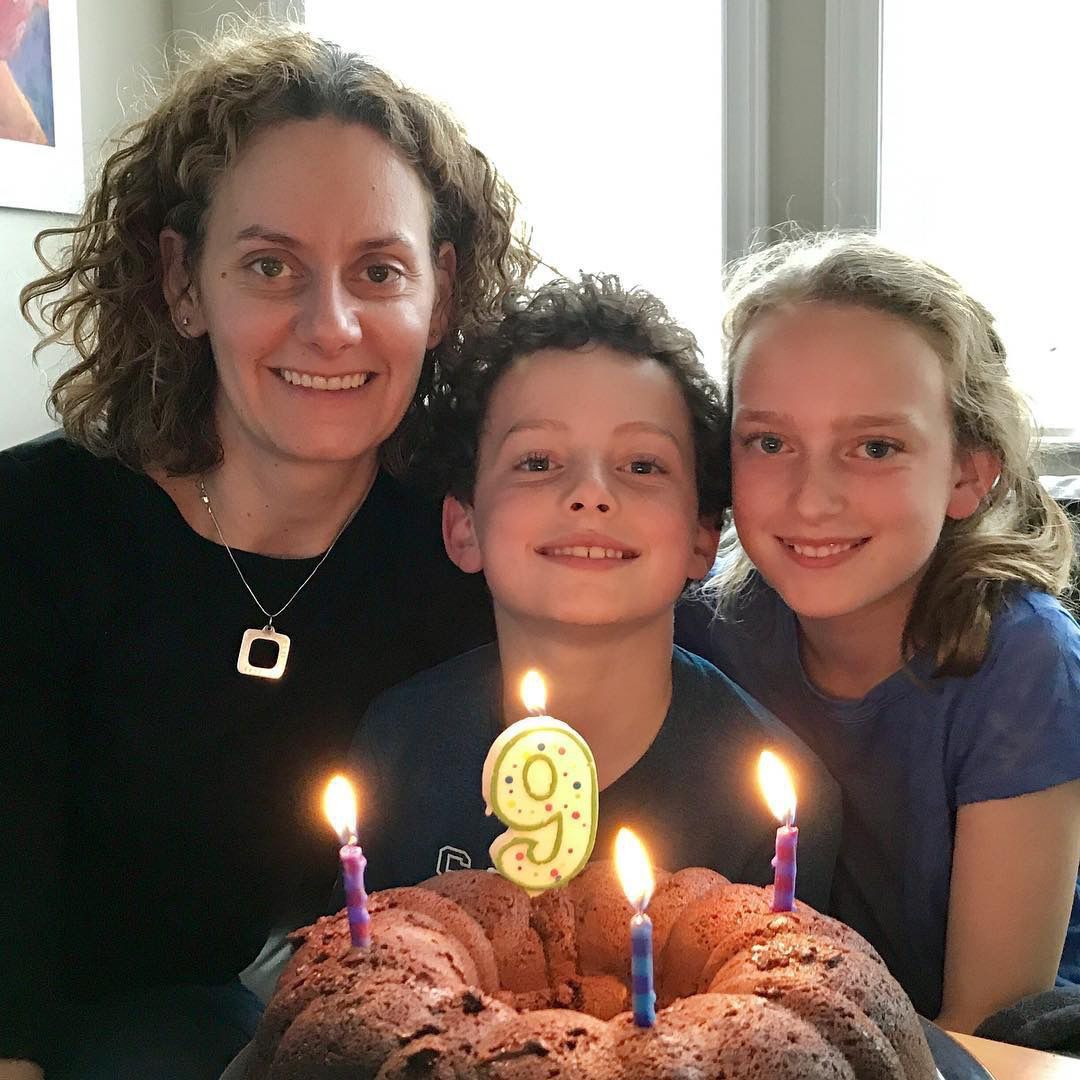
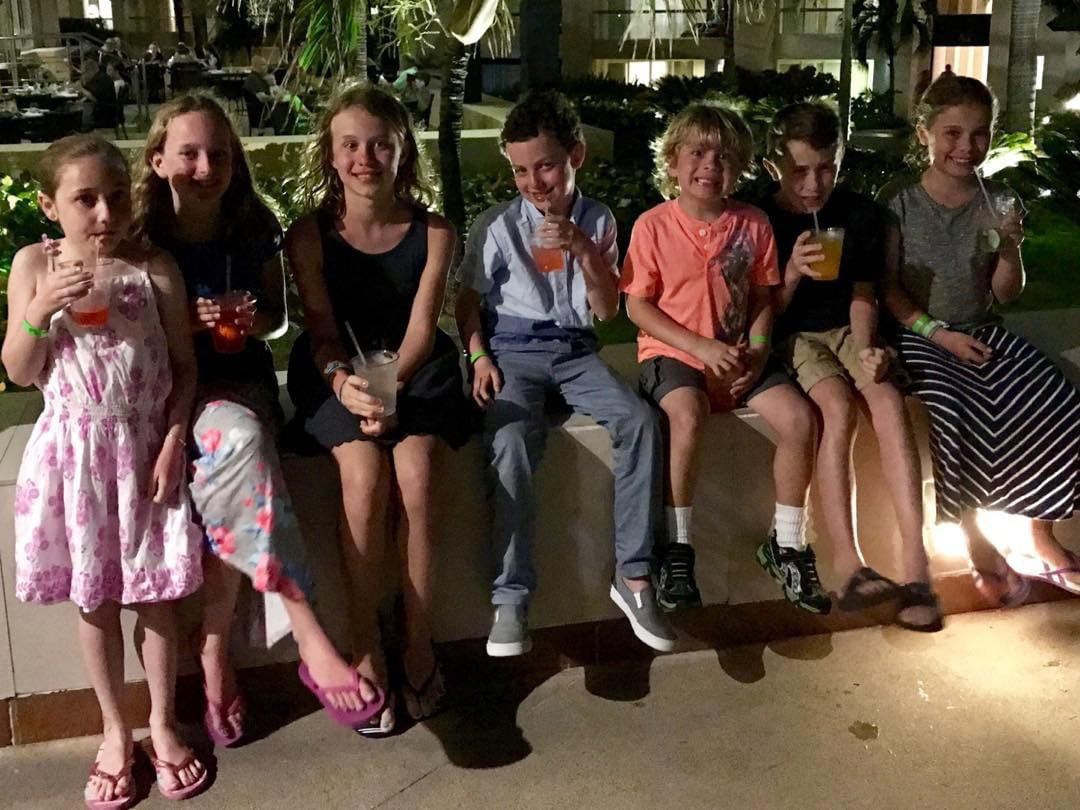
Happy kids
Happy kids
Lazy river
Nice start to the day
Ready to relax
Skiing with Grandad
A boy and his dog
Thank you to all the participants, donors, and volunteers for making the third Axe Pancreatic Cancer event such a great success! Together we’re raising awareness and funding to support Pancreatic Cancer Canada.

We’re hosting our third-annual Axe Pancreatic Cancer event. Help us kick off Pancreatic Cancer Awareness Month by drinking beer and throwing axes!

Sticky fingers
Ribs with a fork
Ribfest with @megccase
The day after an historic landslide electoral victory for the Liberal Party of Canada, weβve compared our predictions (and those of other organizations who provide riding-level predictions) to the actual results in Toronto.
Before getting to the details, we thought it important to highlight that while the methodologies of the other organizations differ, they are all based on tracking sentiments as the campaign unfolds. So, most columns in the table below will differ slightly from the one in our previous post as such sentiments change day to day.
This is fundamentally different from our modelling approach, which utilizes voter and candidate characteristics, and therefore could be applied to predict the results of any campaign before it even begins. (The primary assumption here is that individual voters behave in a consistent way but vote differently from election to election as they are presented with different inputs to their decision-making calculus.) We hope the value of this is obvious.
Now, on to the results! The final predictions of all organizations and the actual results were as follows:
To start with, our predictions included many more close races than the others: while we predicted average margins of victory of about 10 points, the others were predicting averages well above that (ranging from around 25 to 30 points). The actual results fell in between at around 20 points.
Looking at specific races, we did better than the others at predicting close races in York Centre and Parkdale-High Park, where the majority predicted strong Liberal wins. Further, while everyone was wrong in Toronto-Danforth (which went Liberal by only around 1,000 votes), we predicted the smallest margin of victory for the NDP. On top of that, we were as good as the others in six ridings, meaning that we were at least as good as poll tracking in 9 out of 25 ridings (and would have been 79 days ago, before the campaign started, despite the polls changing up until the day before the election).
But that means we did worse in the others ridings, particularly Toronto Centre (where our model was way off), and a handful of races that the model said would be close but ended up being strong Liberal wins. While we need to undertake much more detailed analysis (once Elections Canada releases such details), the βsurpriseβ in many of these cases was the extent to which voters, who might normally vote NDP, chose to vote Liberal this time around (likely a coalescence of βanti-Harperβ sentiment).
Overall, we are pleased with how the model stood up, and know that we have more work to do to improve our accuracy. This will include more data and more variables that influence votersβ decisions. Thankfully, we now have a few years before the next electionβ¦
Well, it is now only days until the 42nd Canadian election, and we have come a long way since this long campaign started. Based on our analyses to date of voter and candidate characteristics, we can now provide riding-level predictions. As we keep saying, we have avoided the use of polls, so these present more of an experiment than anything else. Nonetheless, weβve put them beside the predictions of five other organizations (as of the afternoon of 15 October 2015), specifically:
(Weβll note that the last doesnβt provide the likelihood of a win, so isnβt colour-coded below, but does provide additional information for our purposes here.)
Youβll see that weβre predicting more close races than all the others combined, and more βleaningβ races. In fact, the average margin of victory from 308, Vox Pop, and Too Close to Call are 23%/26%/23% respectively, which sounds high. Nonetheless, the two truly notable differences weβre predicting are in Eglinton-Lawrence, where the consensus is that finance minister Joe Oliver will lose badly (we predict he might win) and Toronto Centre, where Bill Munro is predicted to easily beat Linda McQuaig (we predict the opposite).
Anyway, weβre excited to see how these predictions look come Monday, and weβll come back after the election with an analysis of our performance.
Now, get out and vote!