With the hope that some public accountability will help, I’m declaring a 30-day ban on my use of the following sentence phrasing:
Something, but something else
I write this phrase often, but it is a lazy construction (okay, that was the last one 😀)
With the hope that some public accountability will help, I’m declaring a 30-day ban on my use of the following sentence phrasing:
Something, but something else
I write this phrase often, but it is a lazy construction (okay, that was the last one 😀)
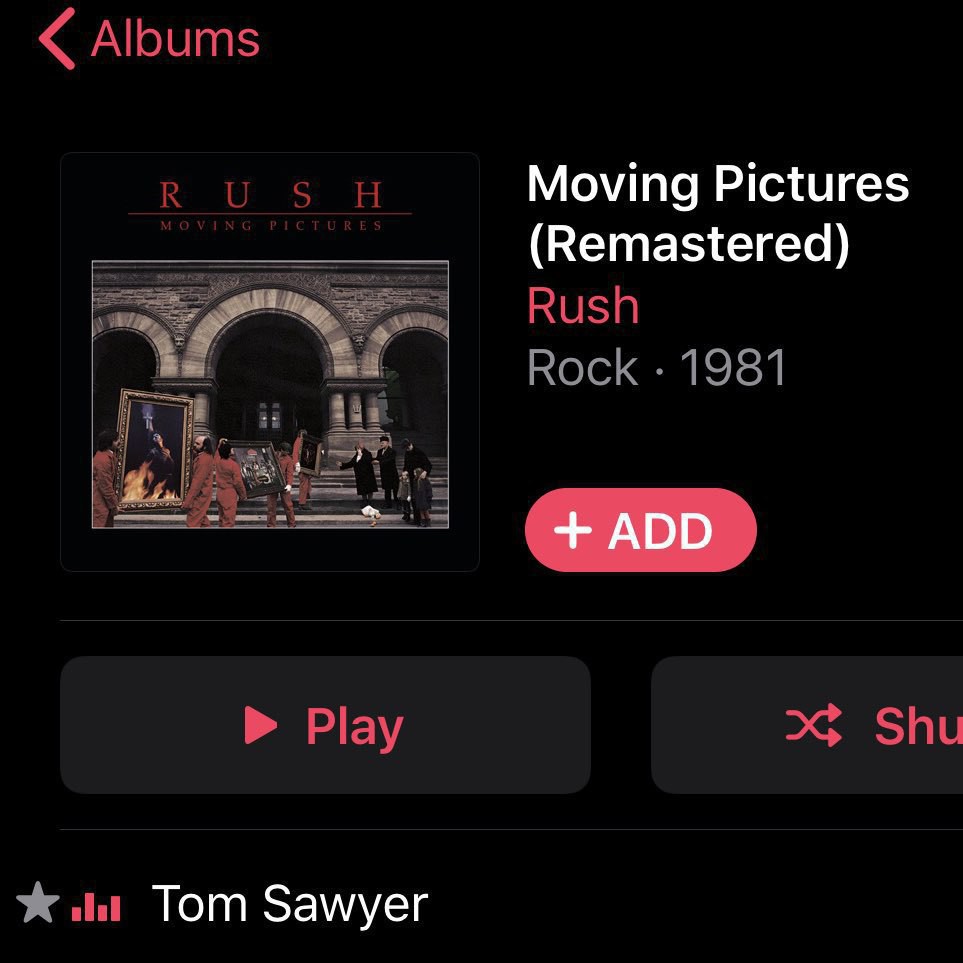
I’ve listened to more Rush in the past few days than in the last several years. I regret neglecting their music and am glad to have them back
This Micro Monday I’d like to suggest @Dominikhoecht for a good mix of interesting photos, parenting observations, and geekery.
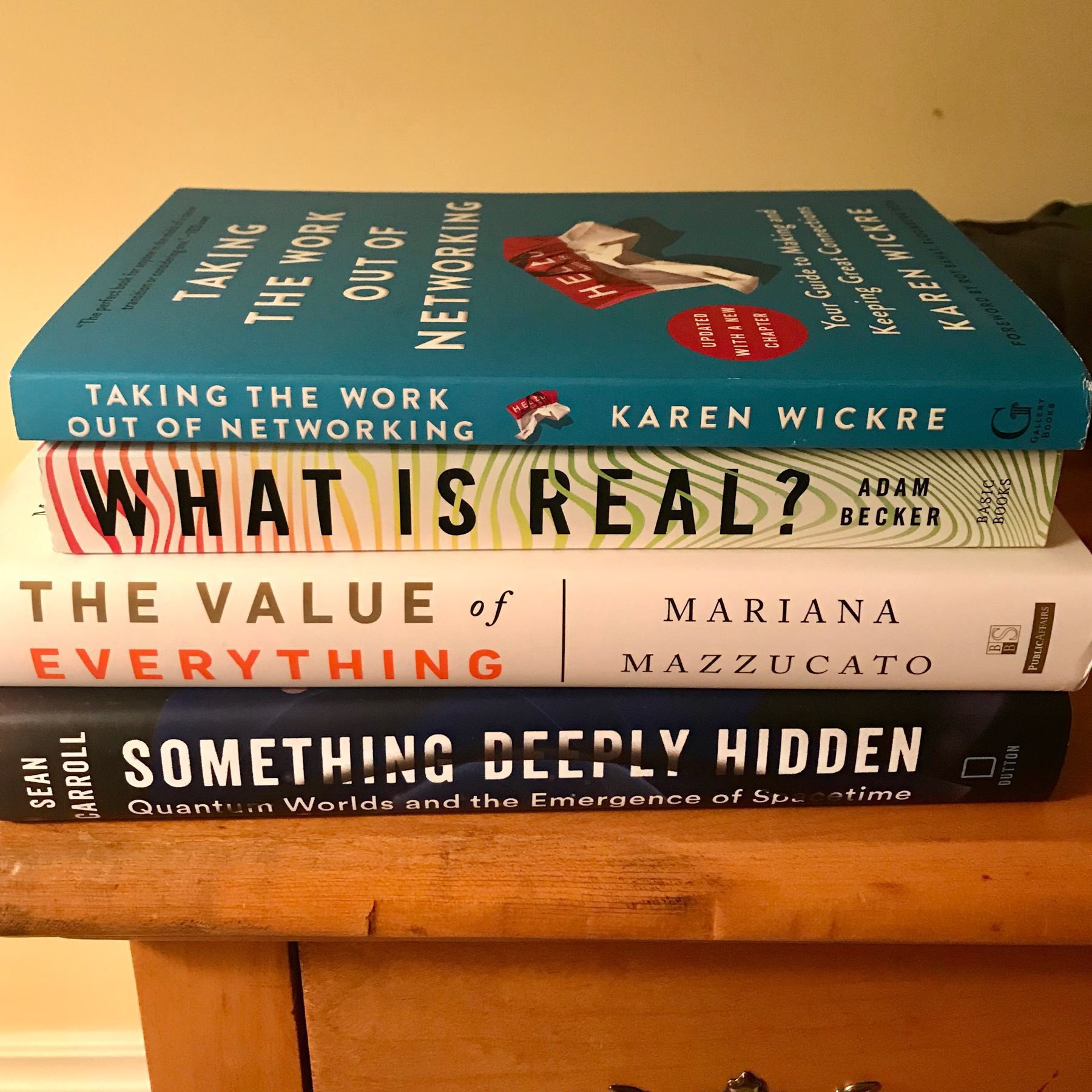
Something Deeply Hidden by Sean Carroll is the best kind of non-fiction: engagingly written, sophisticated enough to take the audience seriously, and about a fascinating topic 📚
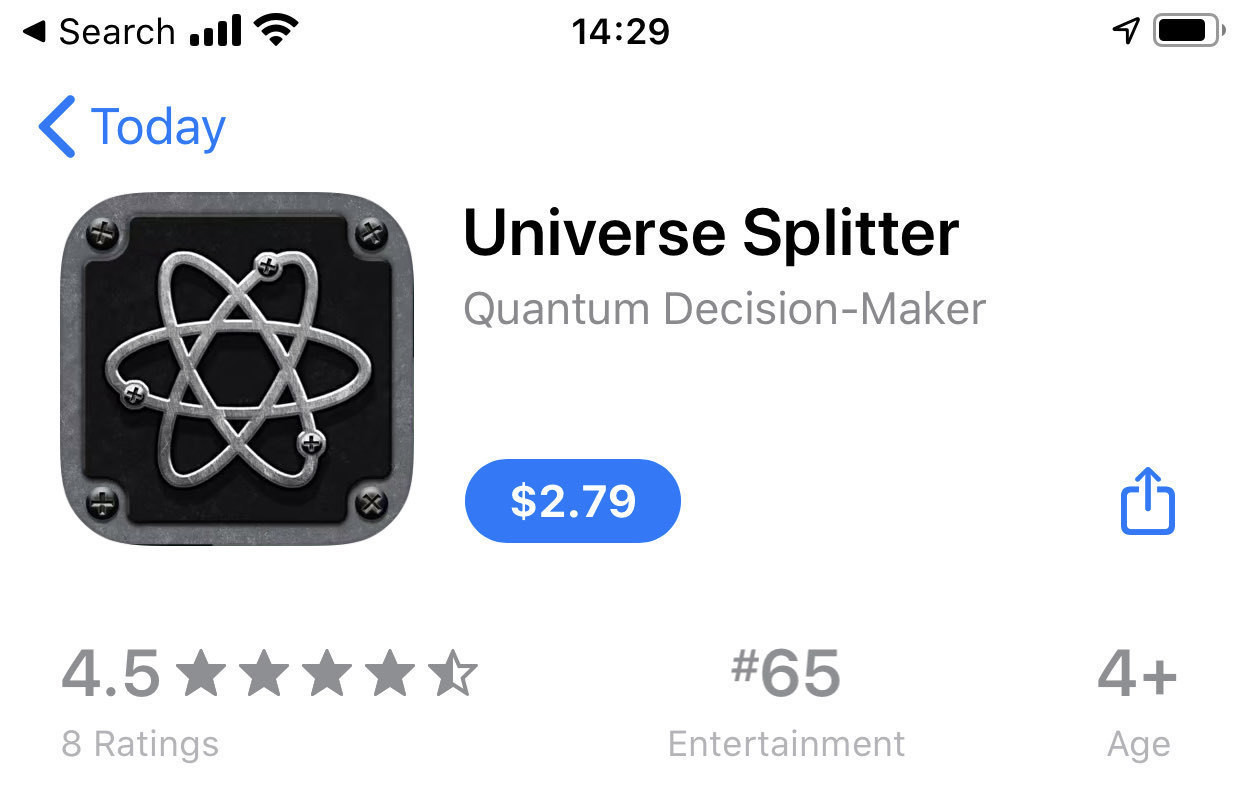
I find it amusing that the Universe Splitter app is categorized as entertainment: it splits the entire universe with the tap of a button! Should at least be a utility 😀
Farewell to Neil Peart. His music has been part of my life from the start. 🥁😢
I’m delivering a seminar on estimating capital costs for large transit projects soon. One of the main concepts that seems to confuse people is inflation (including the non-intuitive terms nominal and real costs). To guide this discussion, I’ve pulled data from Statistics Canada on the Consumer Price Index (CPI) to make a few points. The first point is that, yes, things do cost more than they used to, since prices have consistently increased year over year (this is the whole point of monetary policy).
This Strong Songs episode on Stairway to Heaven is a fun listen and insightful analysis of a classic song 🎙
I finished Season 3 of The Leftovers, a fascinating exploration of loss, love, and family. Well worth watching if you like mysterious plots and unresolved narratives. The actors and writing are great and the ending is satisfying. 📺
I really enjoyed this Mindscape podcast episode with Dan Dennett 🎙
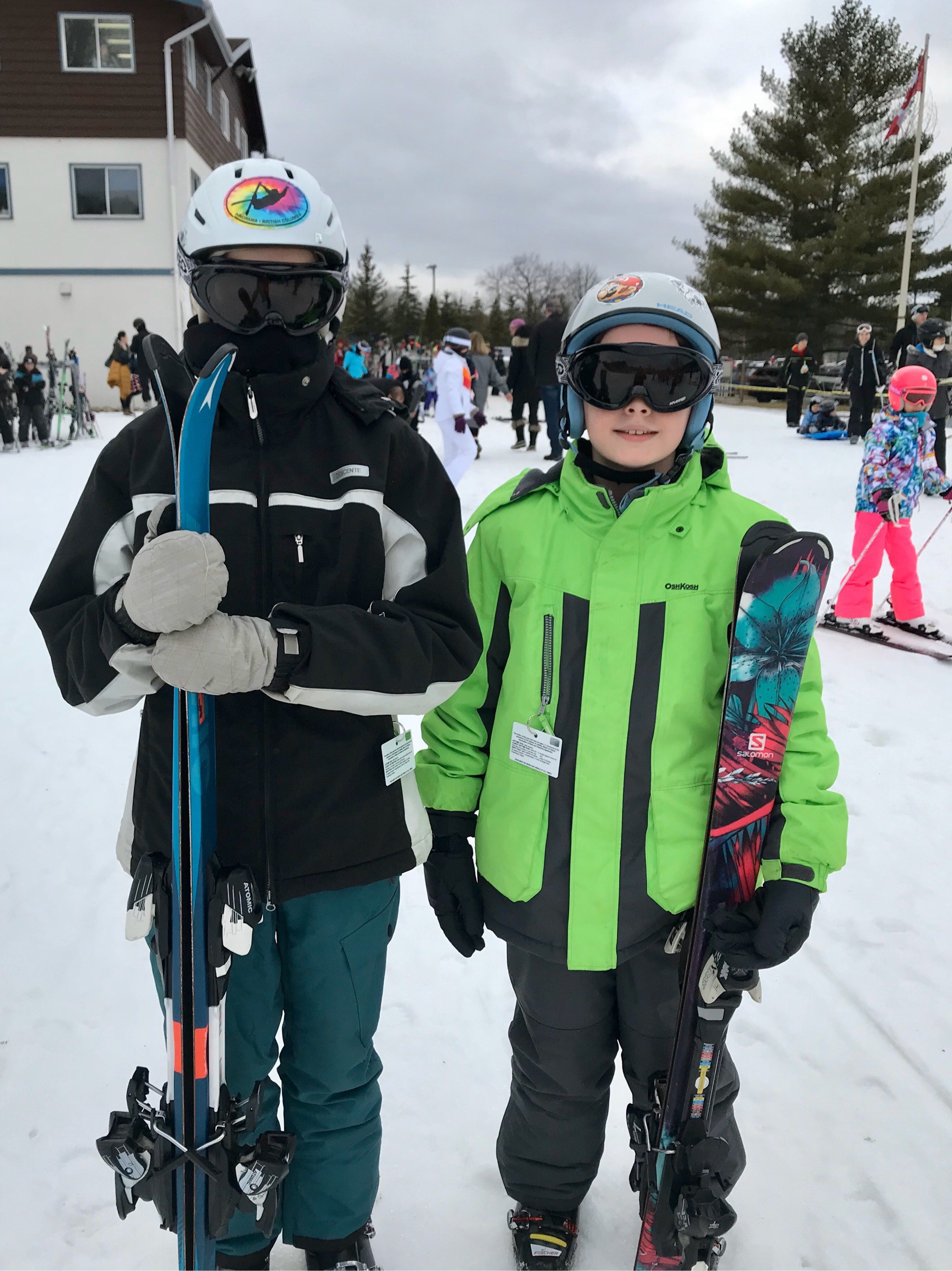
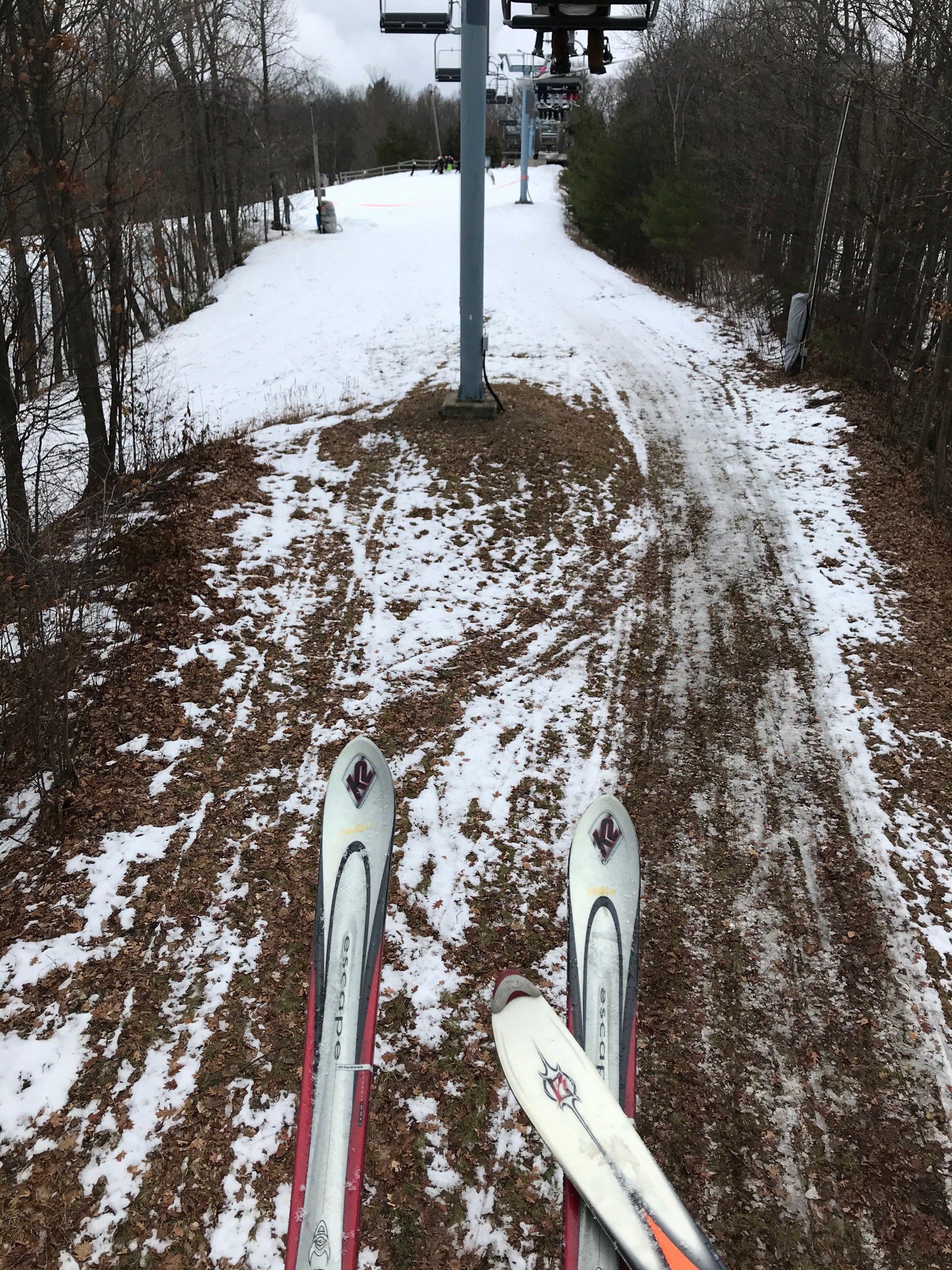
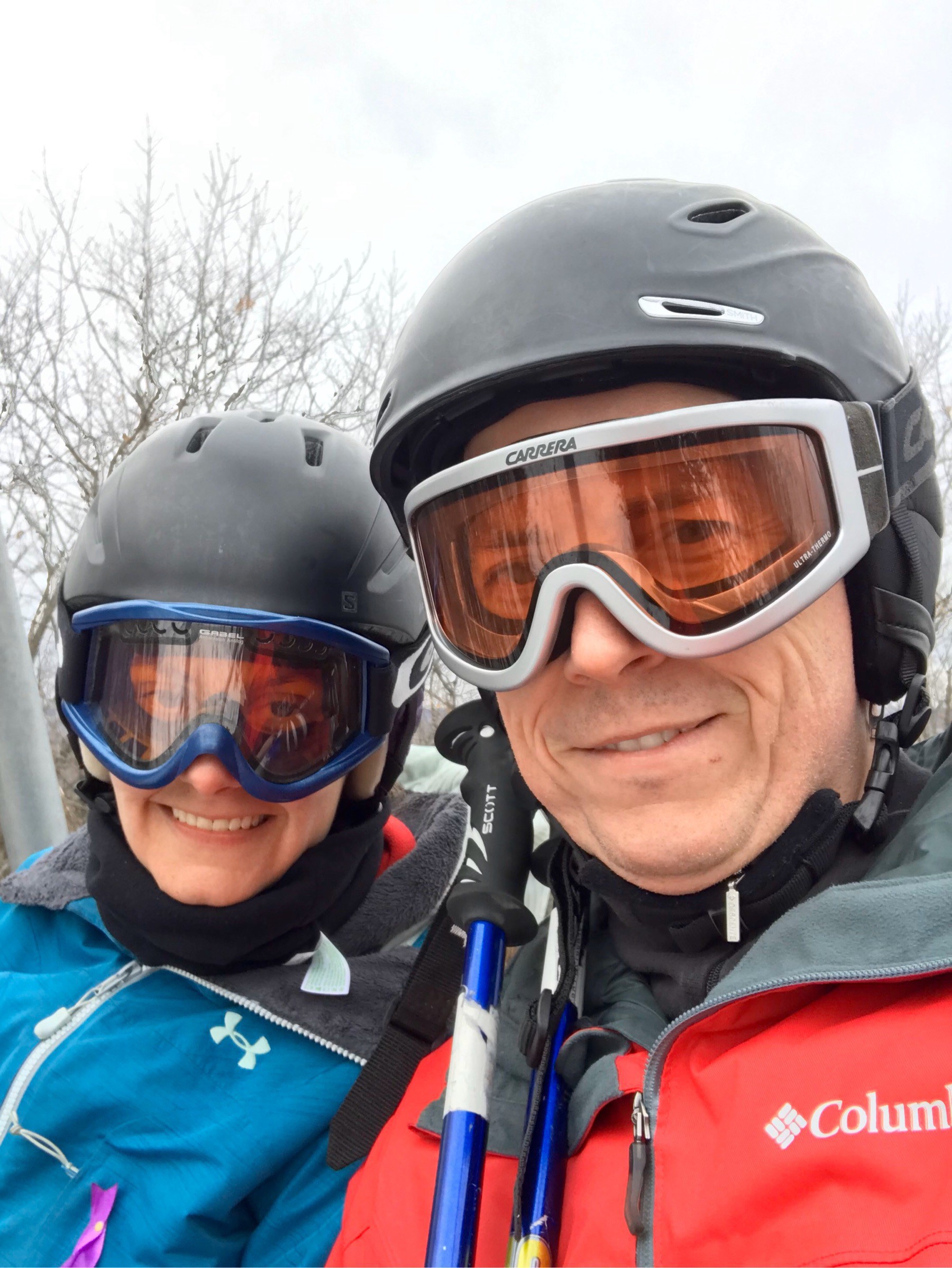
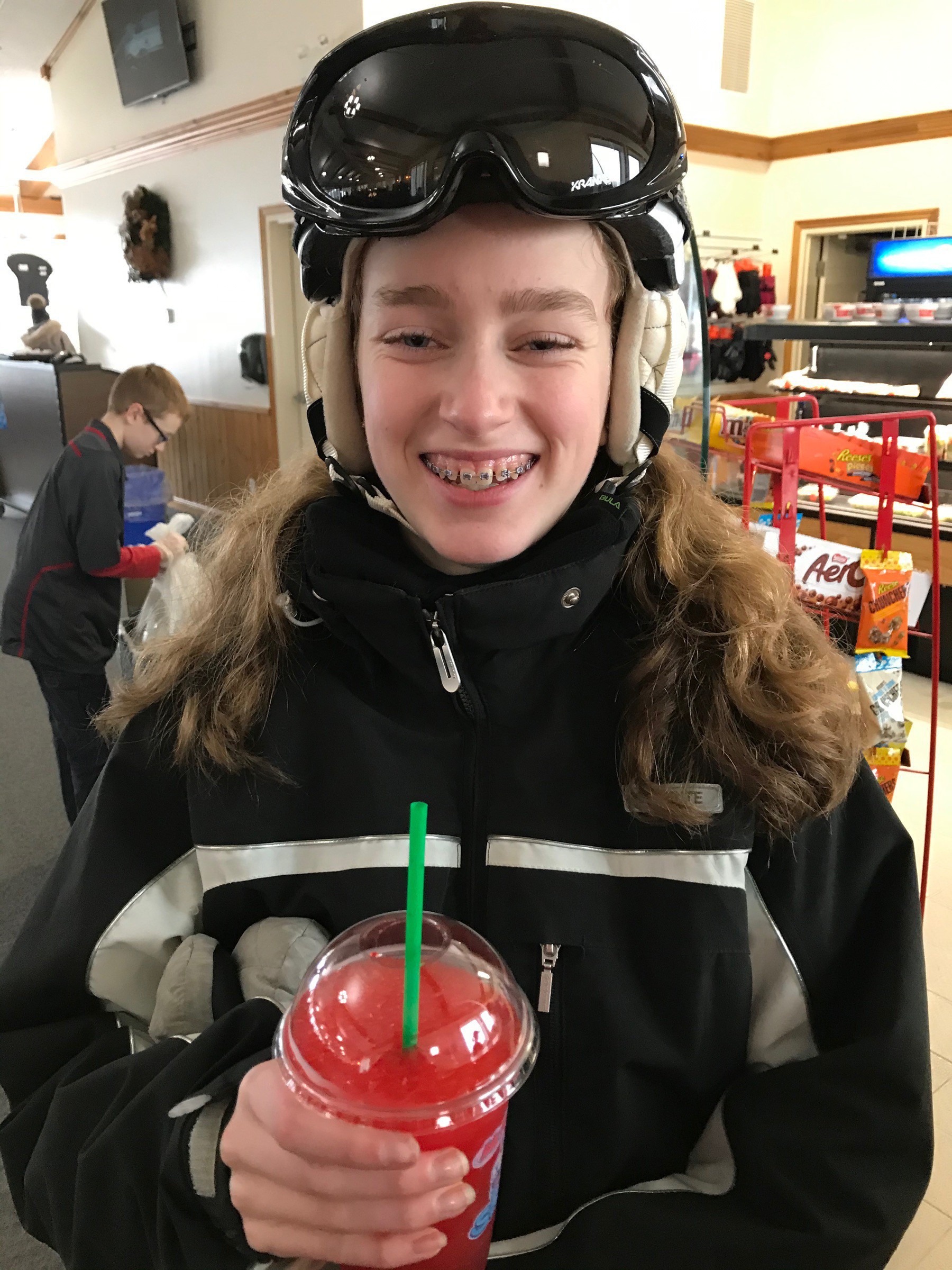
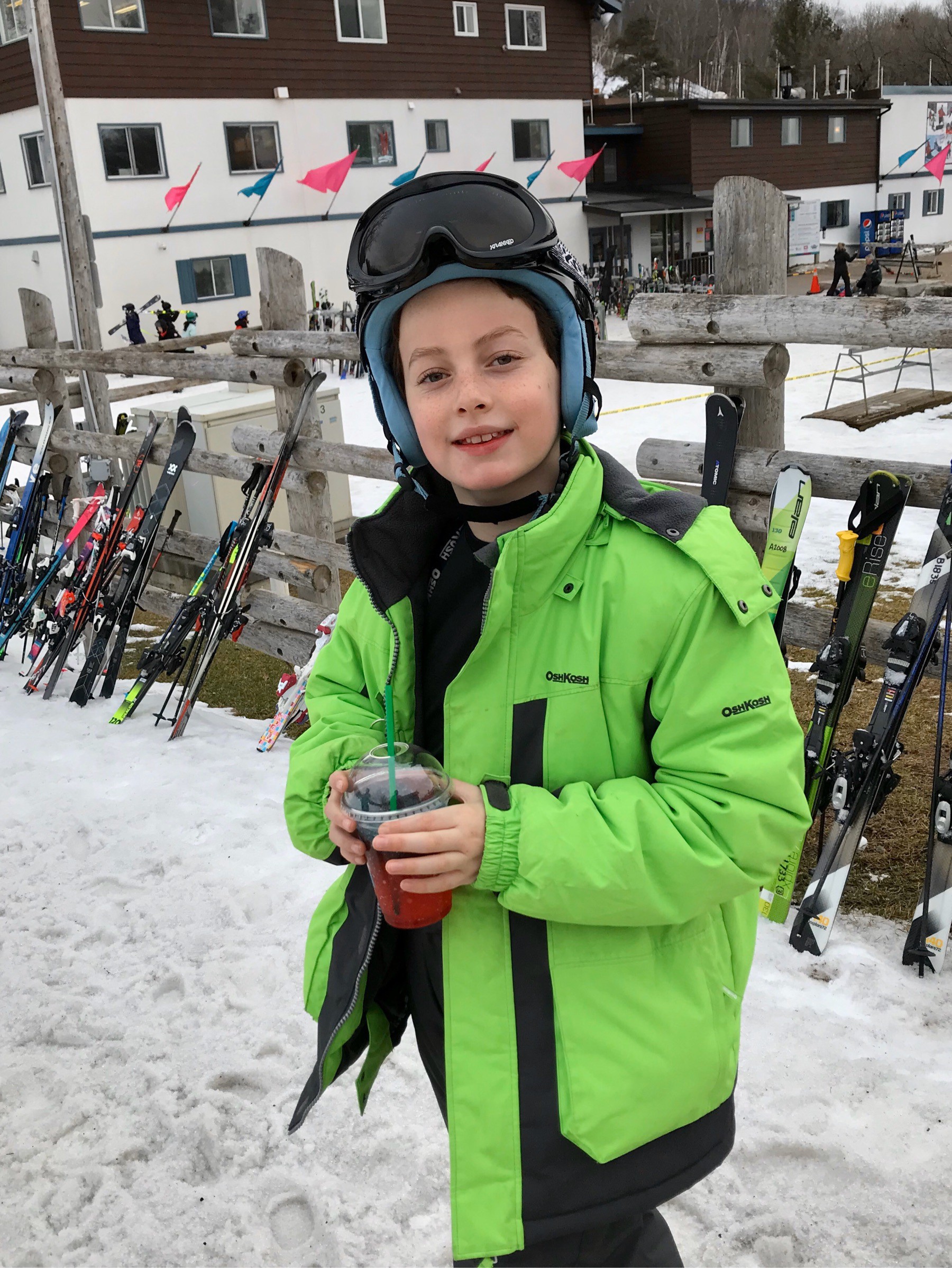
The snow wasn’t great, but still nice to get out for a ski this weekend.
Bob Boilen’s Top 20 Albums For 2019 is a good list
Where to start? 📚
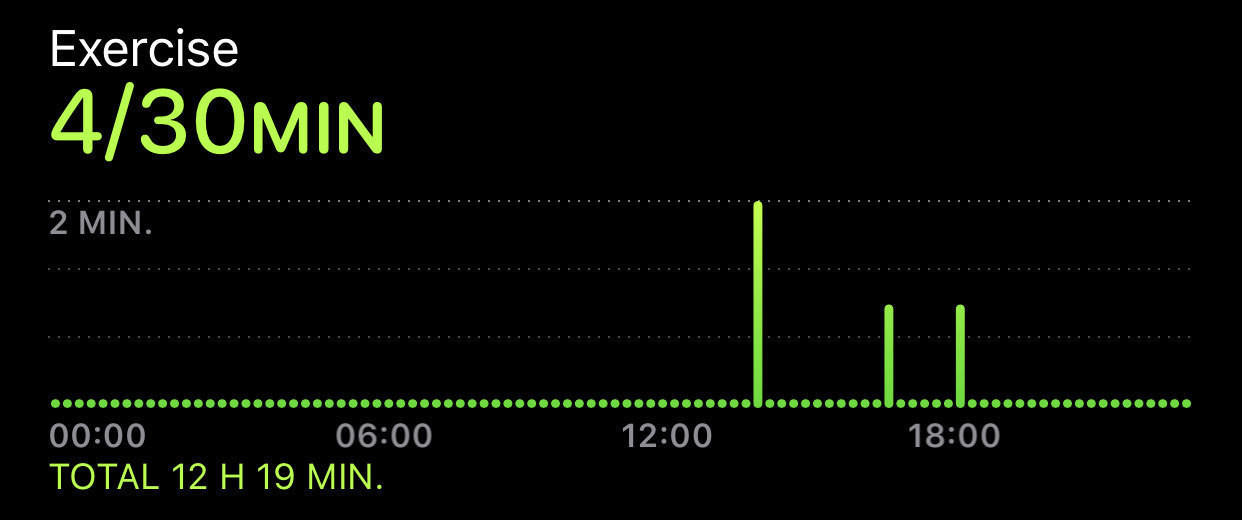
We take Boxing Day seriously here as a day of relaxation. So, I’m disappointed to have exceeded my 0 minutes target. The spike around 2 was when I went upstairs for a nap 😴
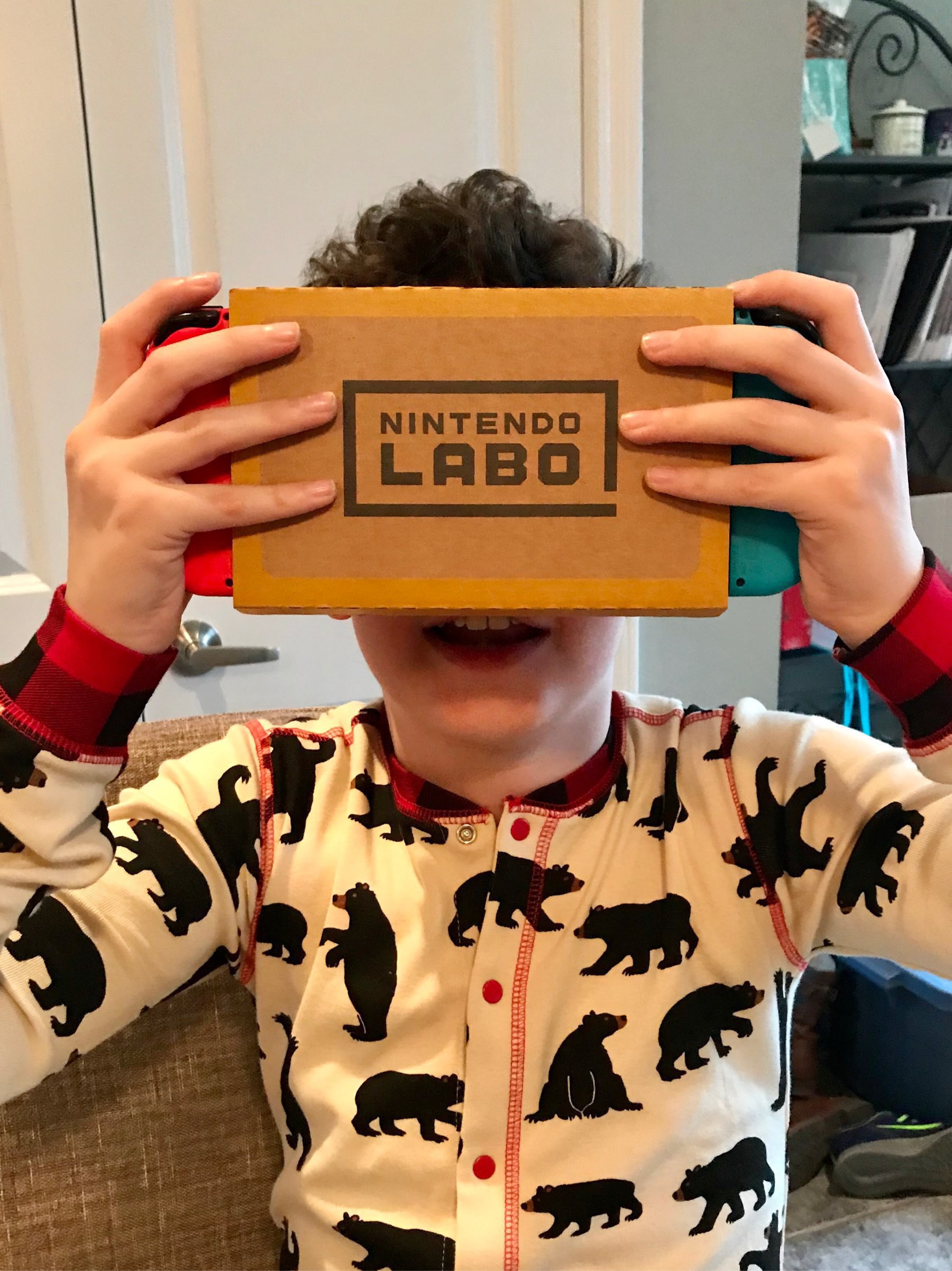
The Labo VR kit is great fun to build and play
I’m most certainly in the target demographic, so perhaps not surprising that I enjoyed For All Mankind. I like these sorts of alternative histories and space exploration is a fascinating topic. I’m looking forward to whatever comes in season 2. 📺
The Stiehl Assassin by Terry Brooks is okay. Given this is the last series he plans to write, I’m curious to see where he takes the fourth book. Based on the three books so far, the plot is pretty standard for Shannara series. I’d hoped for something more dramatic.
After the original series, I think the Genesis of Shannara series is the most inventive one. 📚
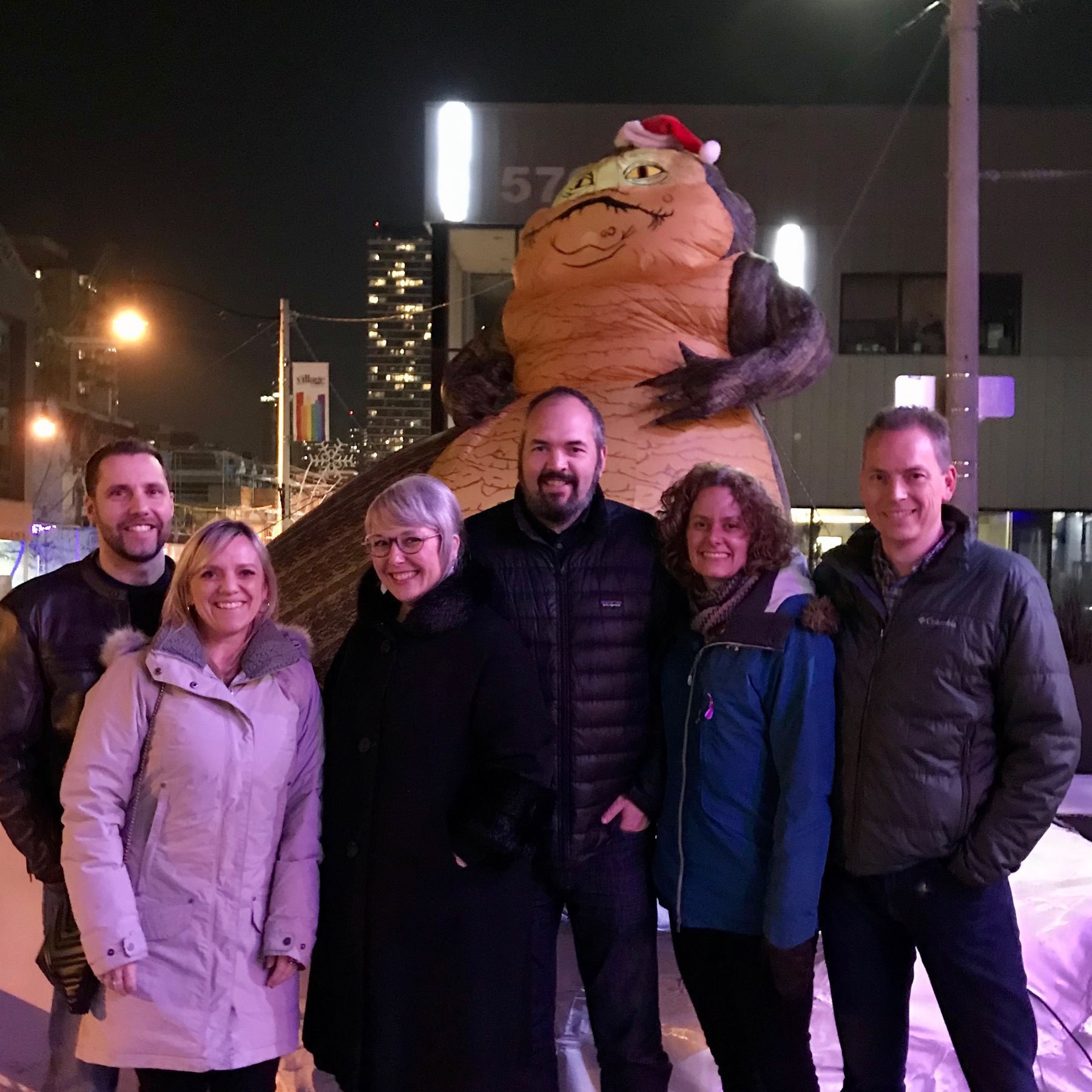
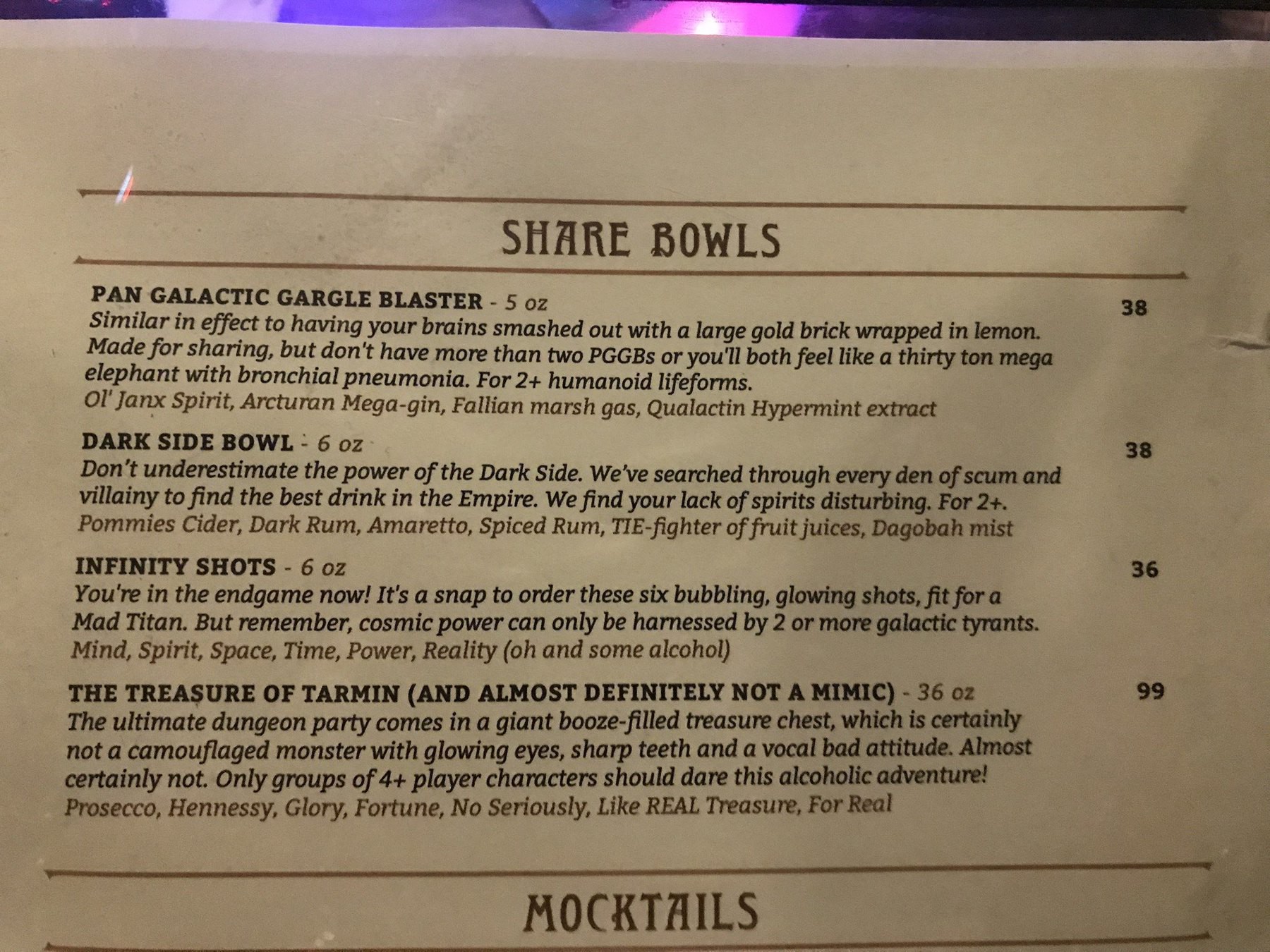
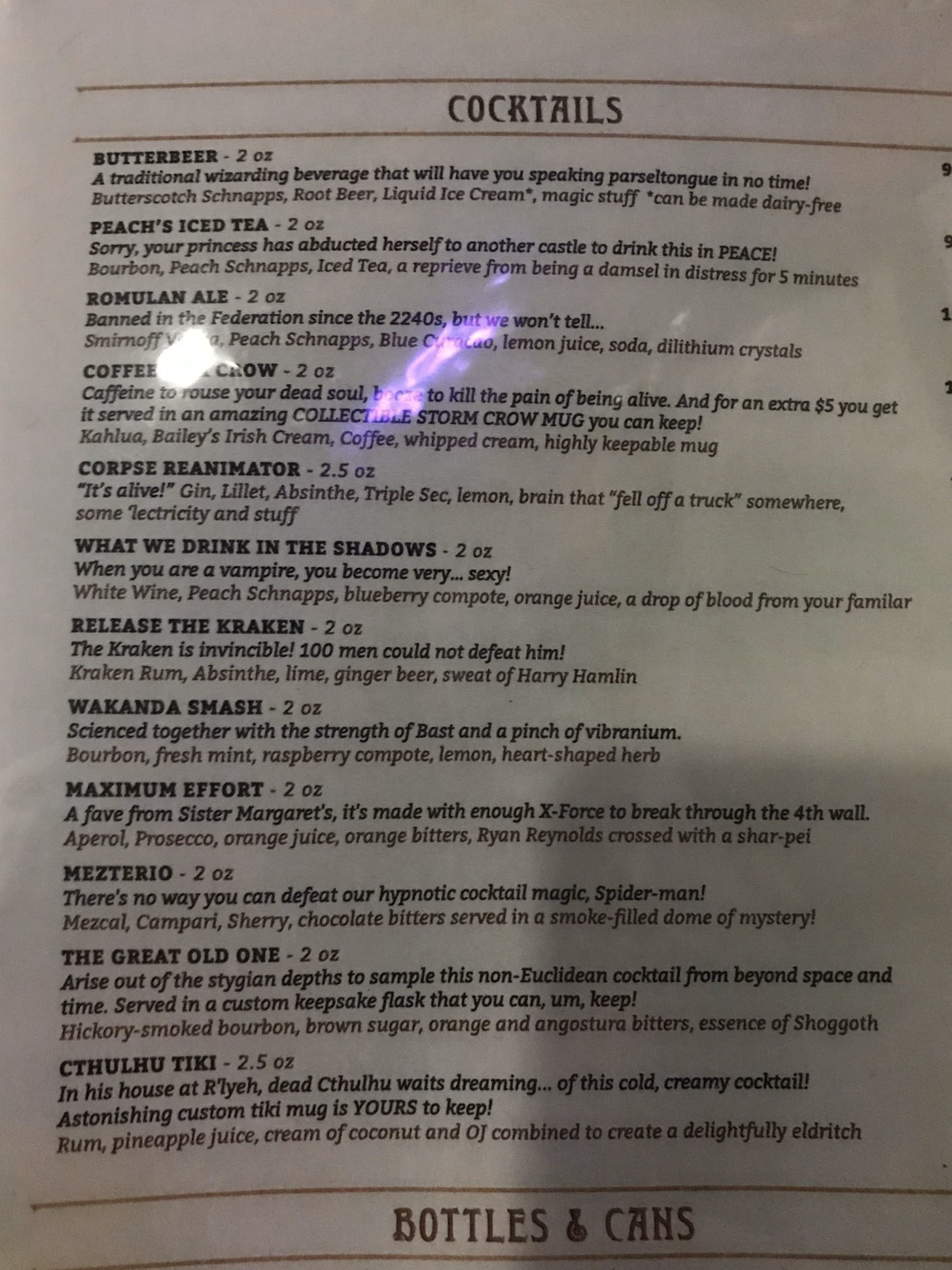
Great fun with my siblings last night on our annual Christmas dinner adventure. Storm Crow Manor was very entertaining with nerd-themed drinks.
I declared podcasts bankruptcy and recovered with a better curated subscription list 🎧👍
Podcasts are great. I really enjoy being able to pick and choose interesting conversations from such a broad swath of topics. Somewhere along the way though, I managed to subscribe to way more than I could ever listen to and the unlistened count was inducing anxiety (I know, a real first world problem). So, time to start all over again and only subscribe to a chosen few: Quirks & Quarks is the one I’ve been subscribed to the longest and is a reliable overview of interesting science stories.