An impressive attempt to visualize the standard model of particle physics by Quanta Magazine
An impressive attempt to visualize the standard model of particle physics by Quanta Magazine
More quantum weirdness: tunnelling particles can exceed the speed of light
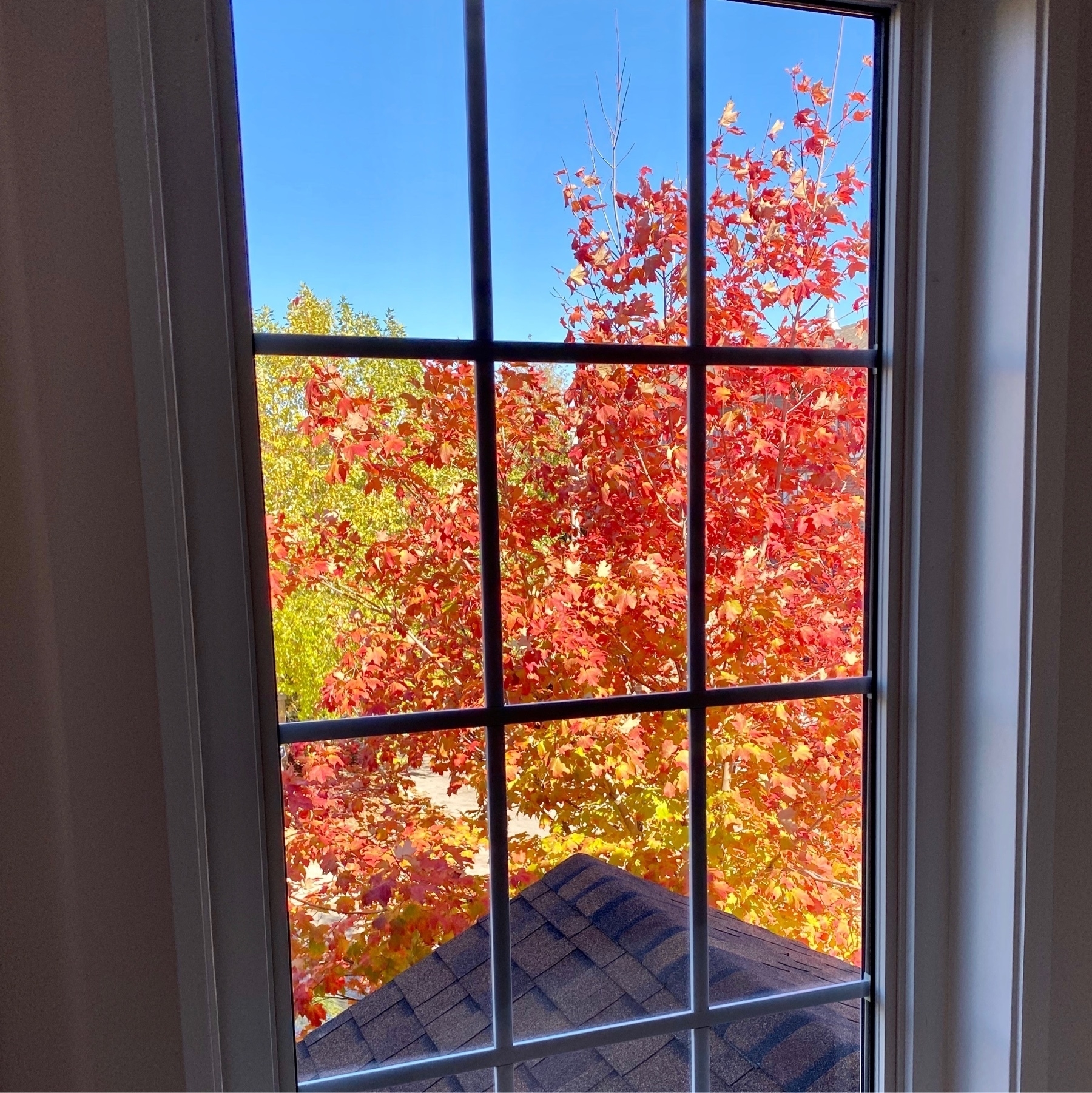
Some great colours on the neighborhood trees 🍁🇨🇦

For my “A Day In The Life” photo, here’s a look out my window at a beautiful Fall day here in Toronto, Canada at noon
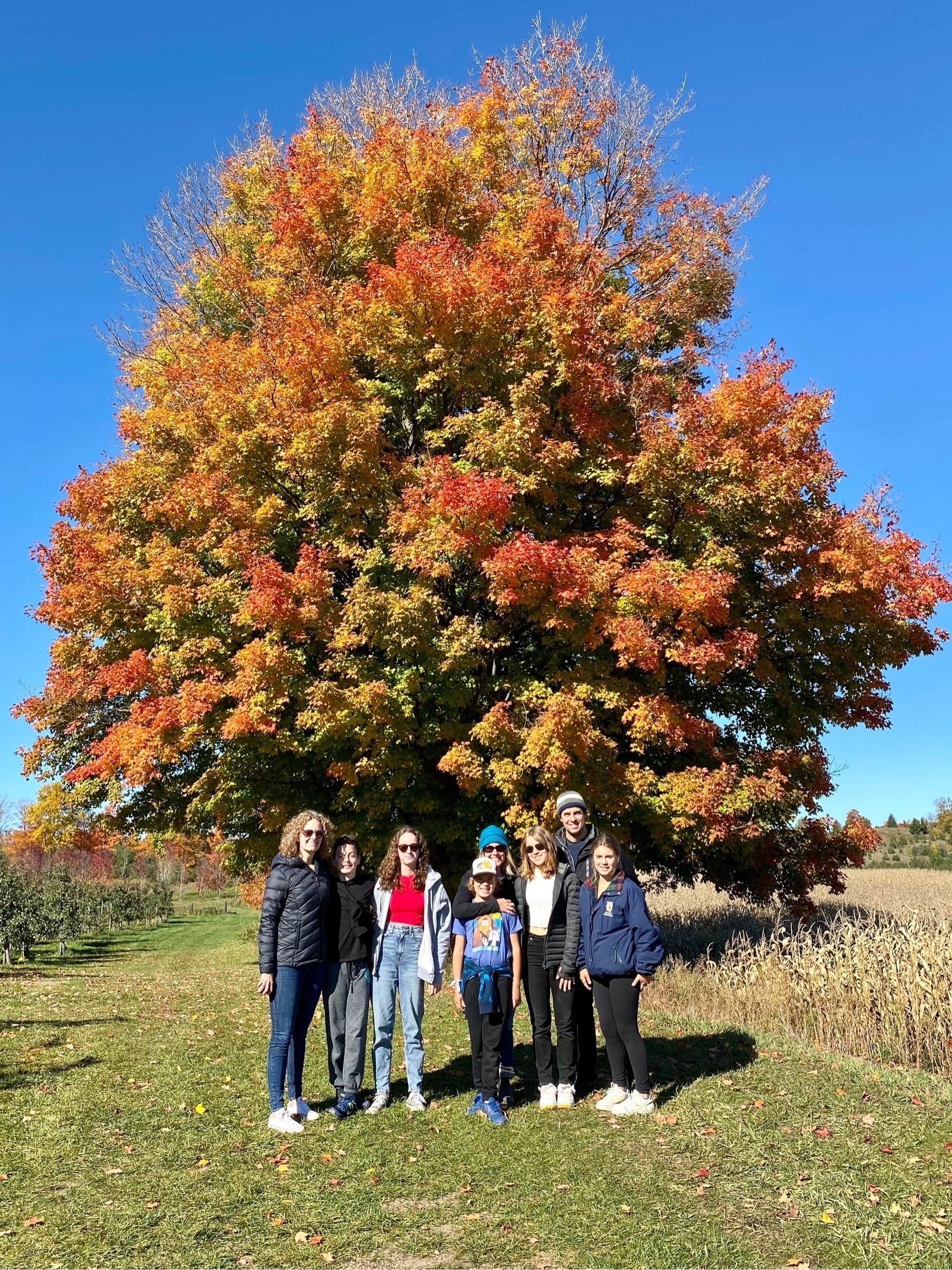
A great day for apple picking 🍎 🌳
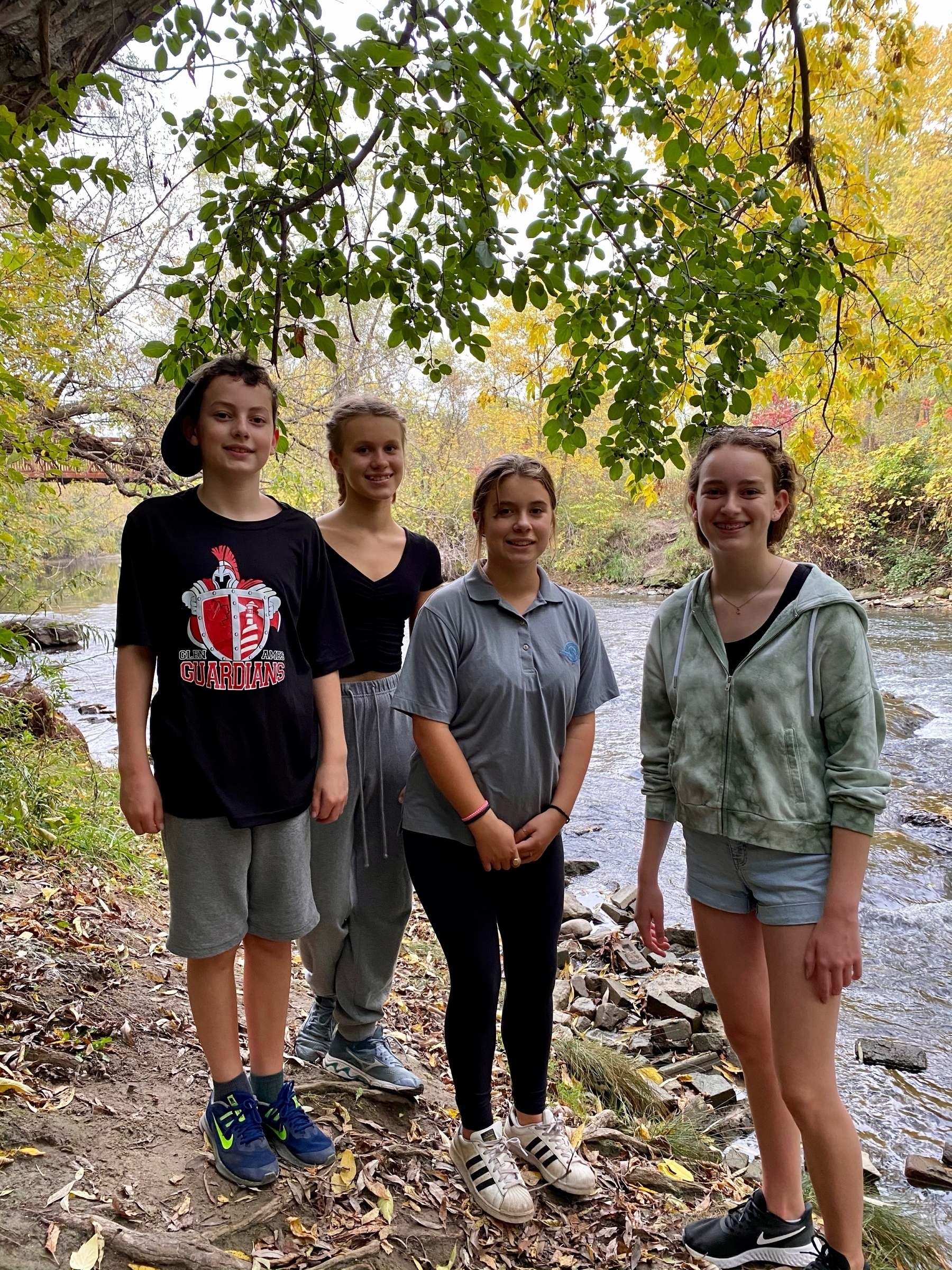
A nice hike through Crother’s Woods




This agenda shortcut from Matthew Cassinelli is a useful way to start my day. I modified it to include flagged reminders and just have it appear as text, rather than be read aloud by Siri.
I’m very excited to be recruiting for a Data Governance Sponsor to join my team and help enhance the use of good data analytics in our decisions at Metrolinx. I’m looking for someone that enjoys telling compelling stories with data and has a passion for collaborating to build clean and reliable analytical processes. If you know someone that could fit (maybe you!), please pass along the job ad
Although waiting can be annoying, How to Wait Well makes some good points:
Waiting pulls us into the present unlike any other experience of time. In the waiting, we realise that this moment is meaningful as it exists, not as some step toward a future moment. Waiting is present tense, and its meanings are full of the potential to transform the ways in which we see the world. Each moment is its own experience and its own fulfilment.
If you’re at all curious about physics, I strongly recommend you consider watching Sean Carroll’s Biggest Ideas in the Universe. Well worth the investment of time to watch
I’m listening to The Jungle by Plants and Animals a lot this week 🎧🎵
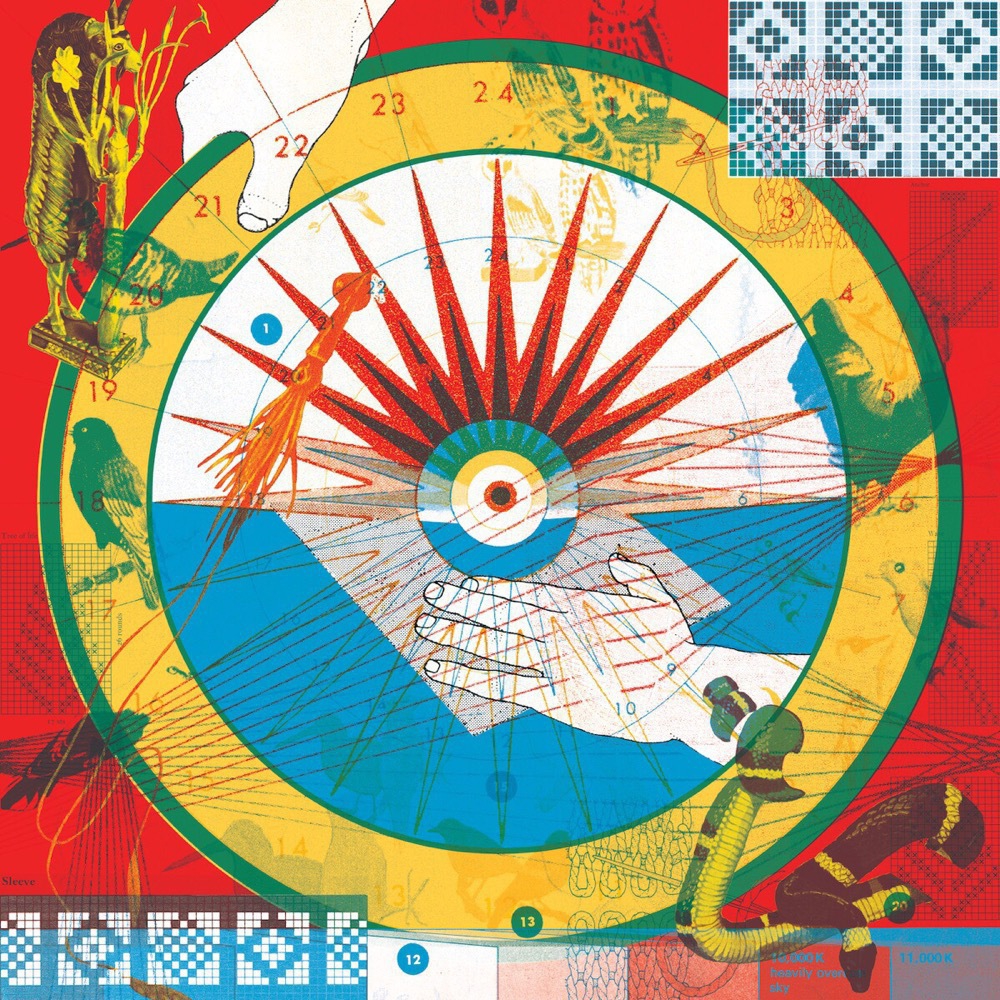
I continue to enjoy these posts on A Collection of Unmitigated Pedantry. This one starts a new series on iron and steel production.
Using Shortcuts automation to automatically switch my watch faces has really helped enforce the work/personal transition. A simple, yet effective trick
I’ve been negligent in supporting some of my favourite apps on the App Store. In many cases, I reviewed the app a few years ago and then never refreshed my ratings. So, I’m making a new commitment to updating my reviews for apps by picking at least one each month to refresh. First up is Fantastical. This one took a real hit when they switched to a subscription pricing model. I get the controversy with subscriptions in general.
Optimizing urban mobility by shifting from prediction to adaptation is a good example of how complexity theory can help solve practical problems
My current theme song: Everyday is exactly the same. Just the chorus though, some of the verses are pretty bleak!
We enjoyed playing Letter Jam. A nice mix of strategy, cooperation, and language

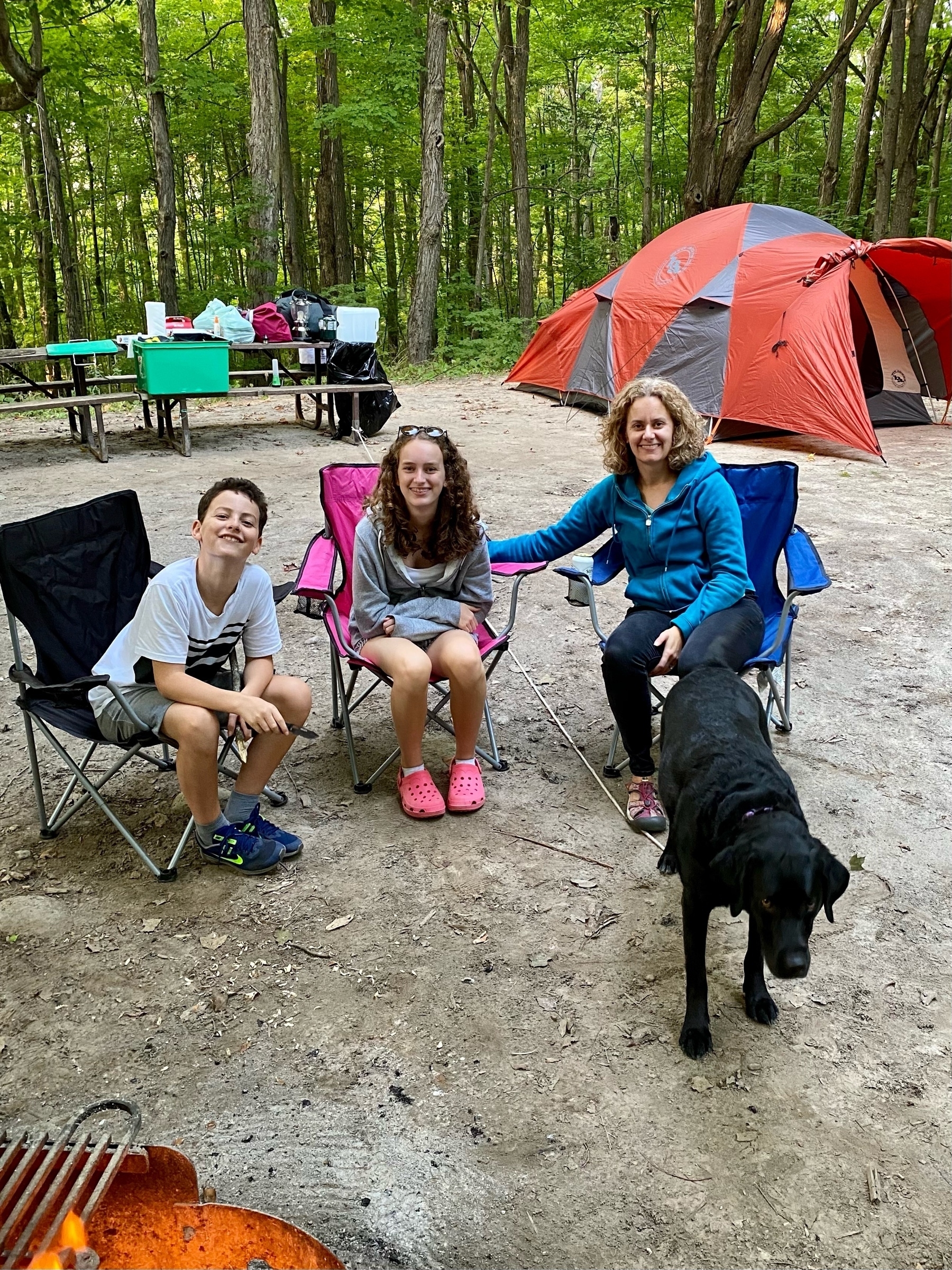
We really enjoyed our time at Bass Lake Provincial Park. Fresh air, campfire pizza, and a hike along the lake were a great escape 🏕



The widgets in the new Fantastical 3.2 are great. Having my calendar events and scheduled tasks in the same widget is really helpful
The toddler discovered Lucy’s tail. He’s amused, she is not 😀