DayOne continues to be an excellent way to capture my daily thoughts. Documenting each day’s achievements has really helped me keep momentum on projects #mbnov
DayOne continues to be an excellent way to capture my daily thoughts. Documenting each day’s achievements has really helped me keep momentum on projects #mbnov
I wanted to avoid using the word border in a political context and was reminded how much I enjoyed Borderline by Mishell Baker #mbnov 📚
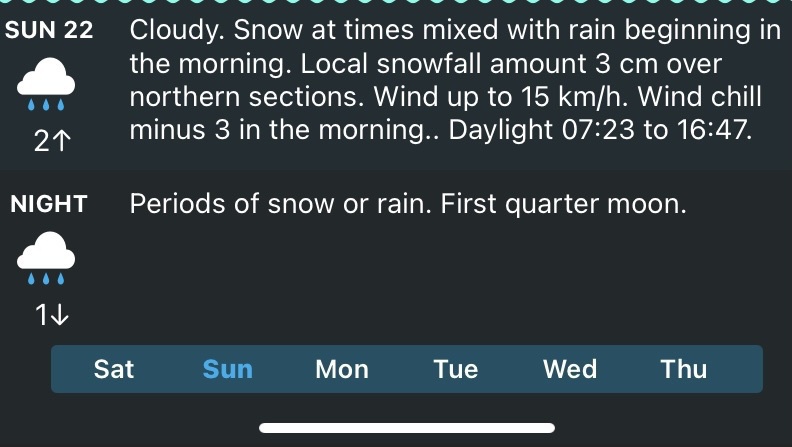
Winter is coming #mbnov
Well, if you worried that AC/DC was going to fade away, they’re back with a new album that rocks out as much as any of their other albums #mbnov music.apple.com/ca/album/…
Feeling nostalgic, thanks to NPR Tiny Desk Concerts releasing this Yo La Tengo show from their archives
I’m fascinated that it’s possible to figure out how many regular polytopes there are and I have Milo Beckman to thank for putting together these great videos #mbnov
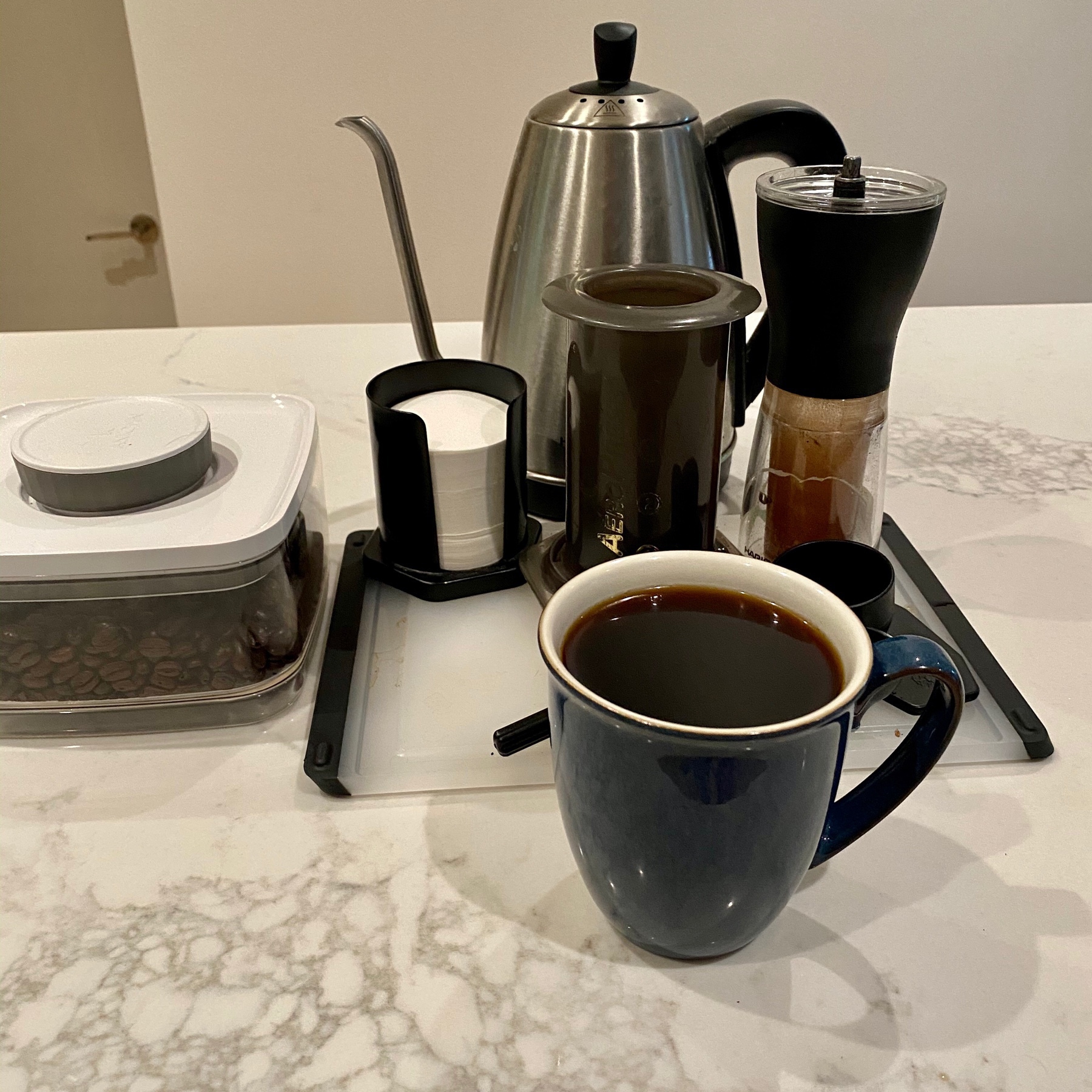
I quite like my dependence on a morning coffee and the ritual of making it #mbnov
Oops, need to train myself to actually post my #mbnov content on the right day
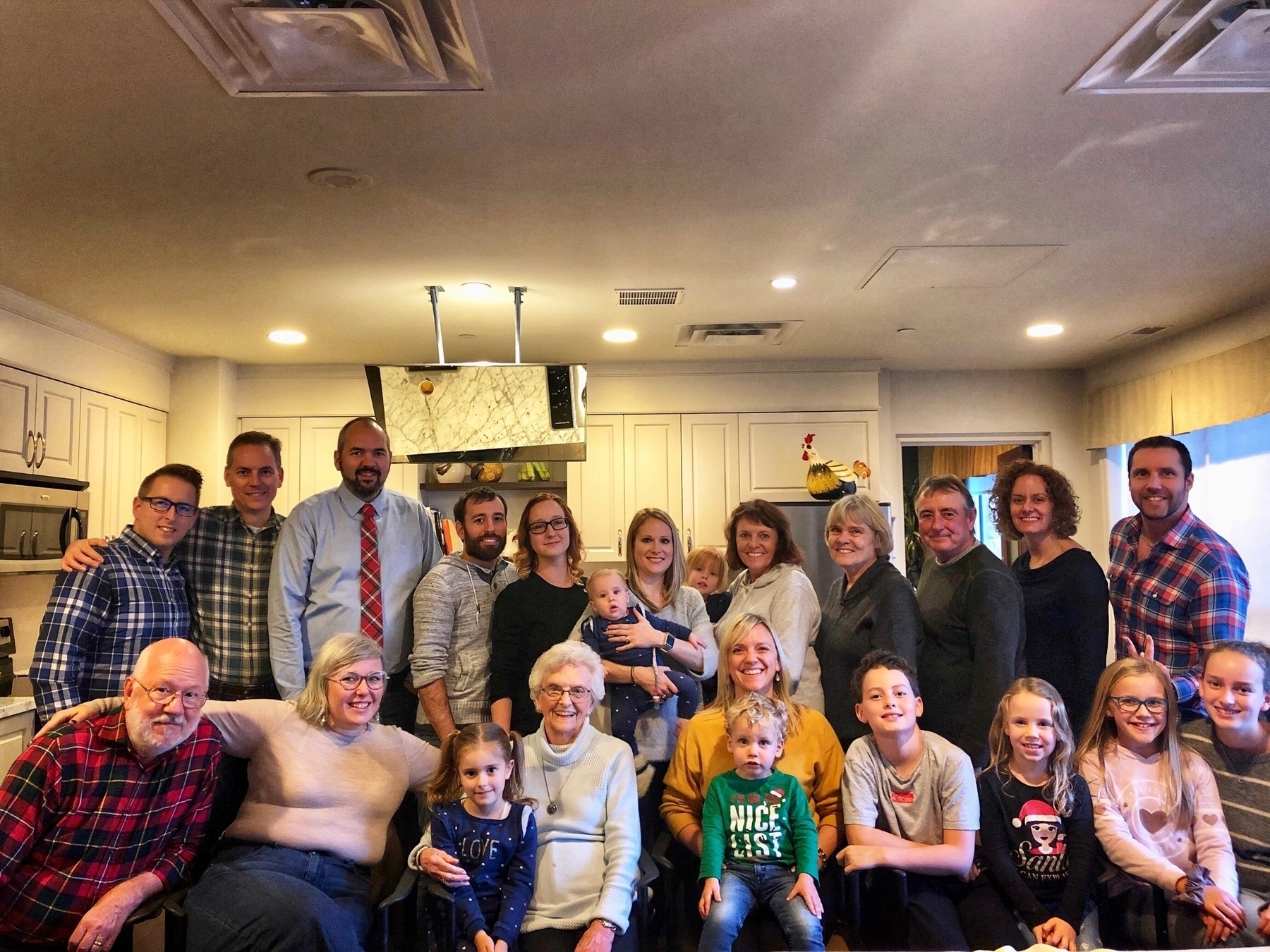
A fun memory from last year. I look forward to when we can gather as a family again #mbnov
I really enjoyed To Be Taught If Fortunate by Becky Chambers. A little jewel of a space exploration story that really captures the spirit of scientific exploration 📚
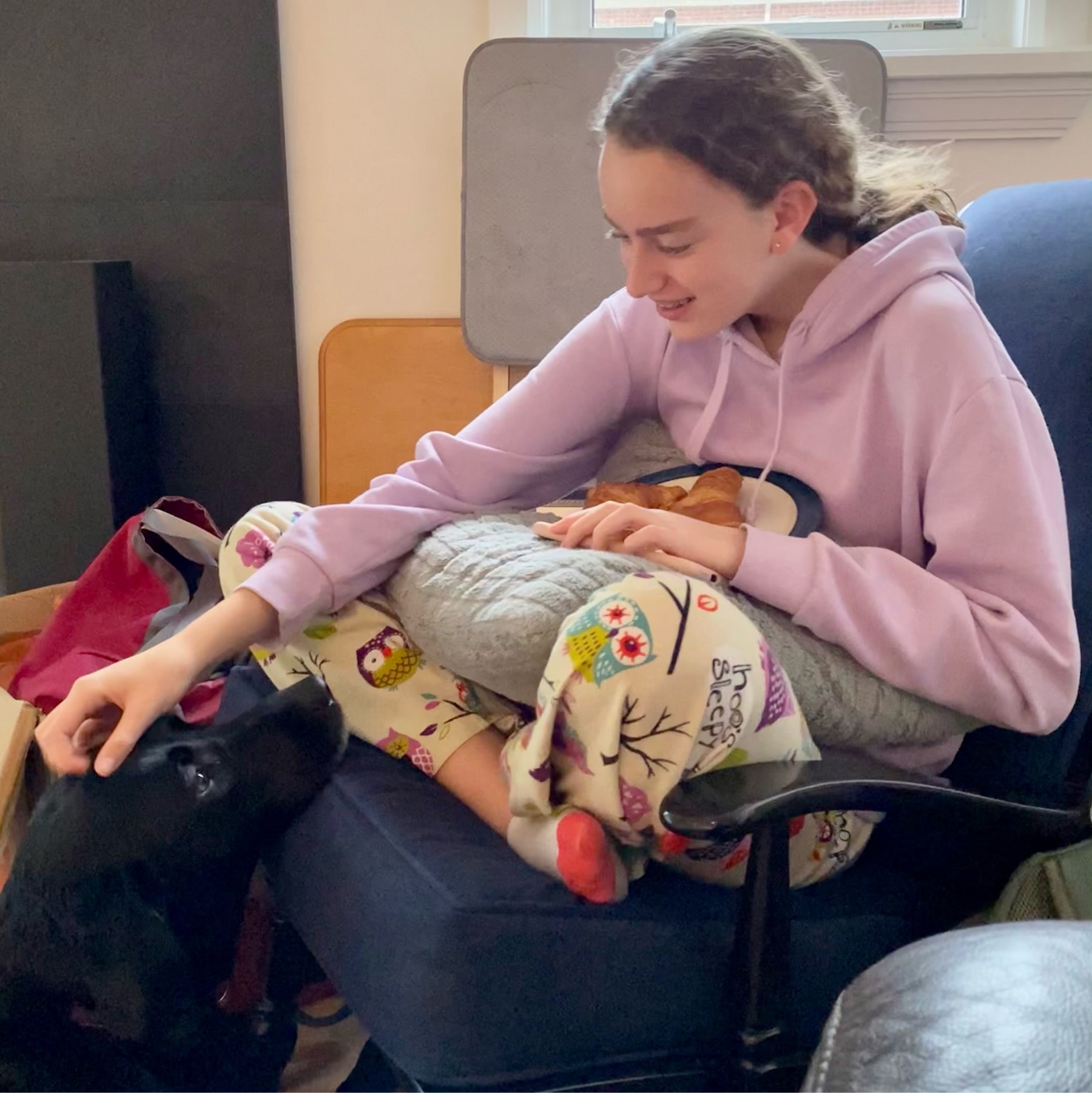
Lucy likes to supervise breakfast
Many good ideas on balancing uncertainty with fiscal rules in Navigating Uncertainty in Ontario’s Budget
What Is a Particle? in Quanta Magazine is a good overview of current answers to what seems like a simple question
Apple really wants you to know that it loves the Mac just how it is. Or perhaps more accurately, as embodied in its latest computers: just how it is, but a lot, lot faster.
This is good to see, though I wasn’t actually worried.
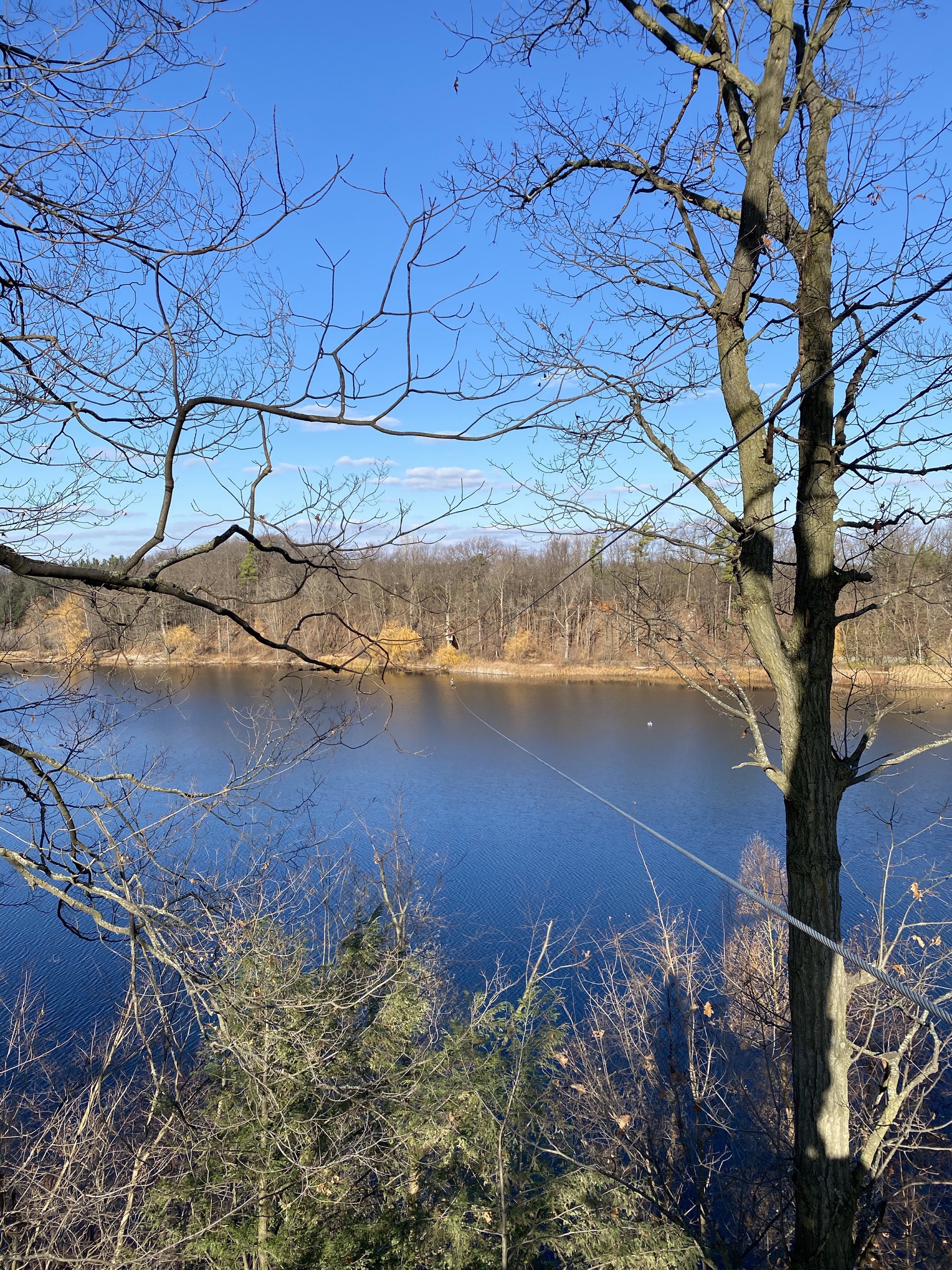
The zip line across the lake was far with a great view #mbnov
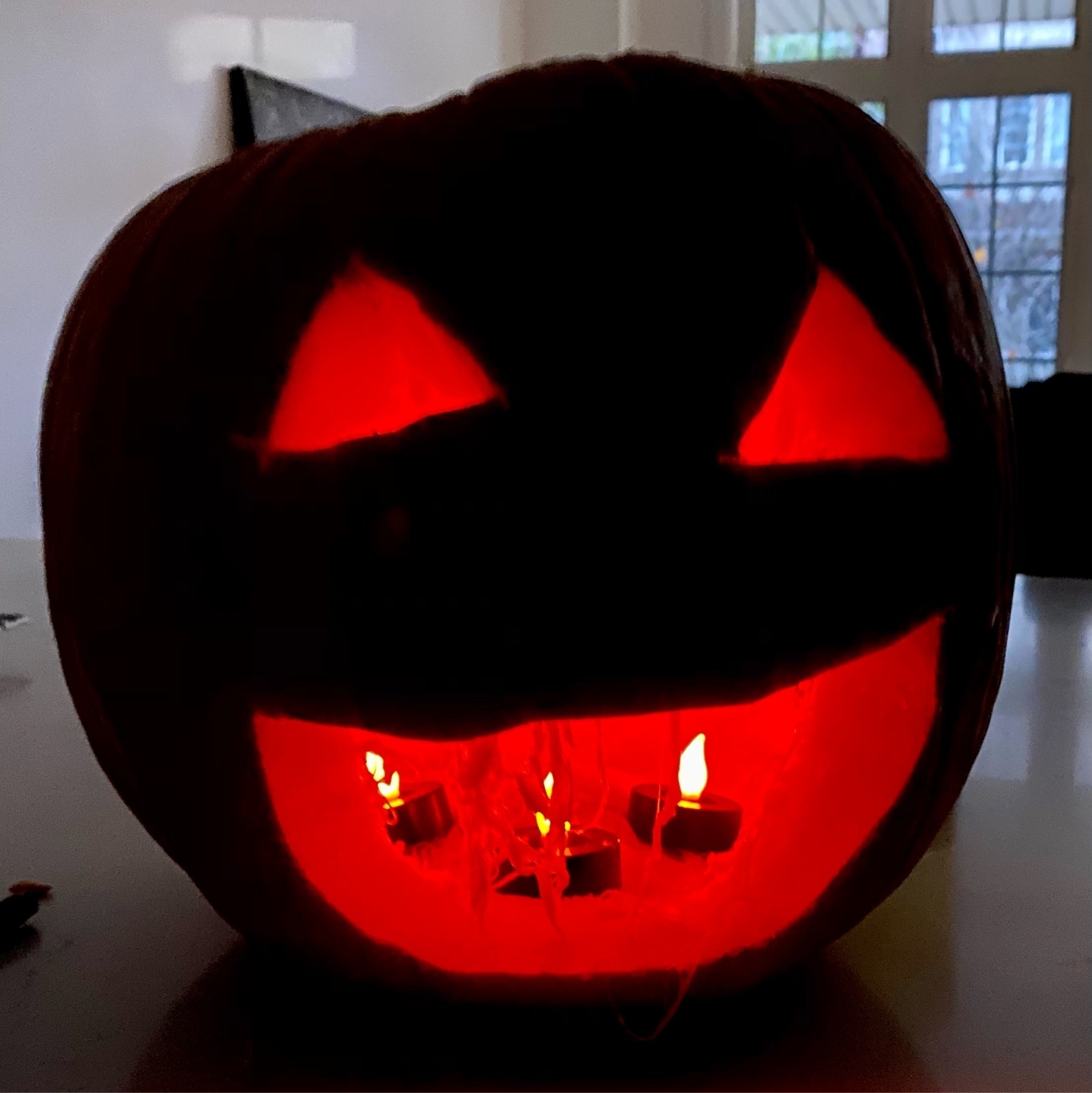
Our pumpkin wasn’t too spooky this year #mbnov
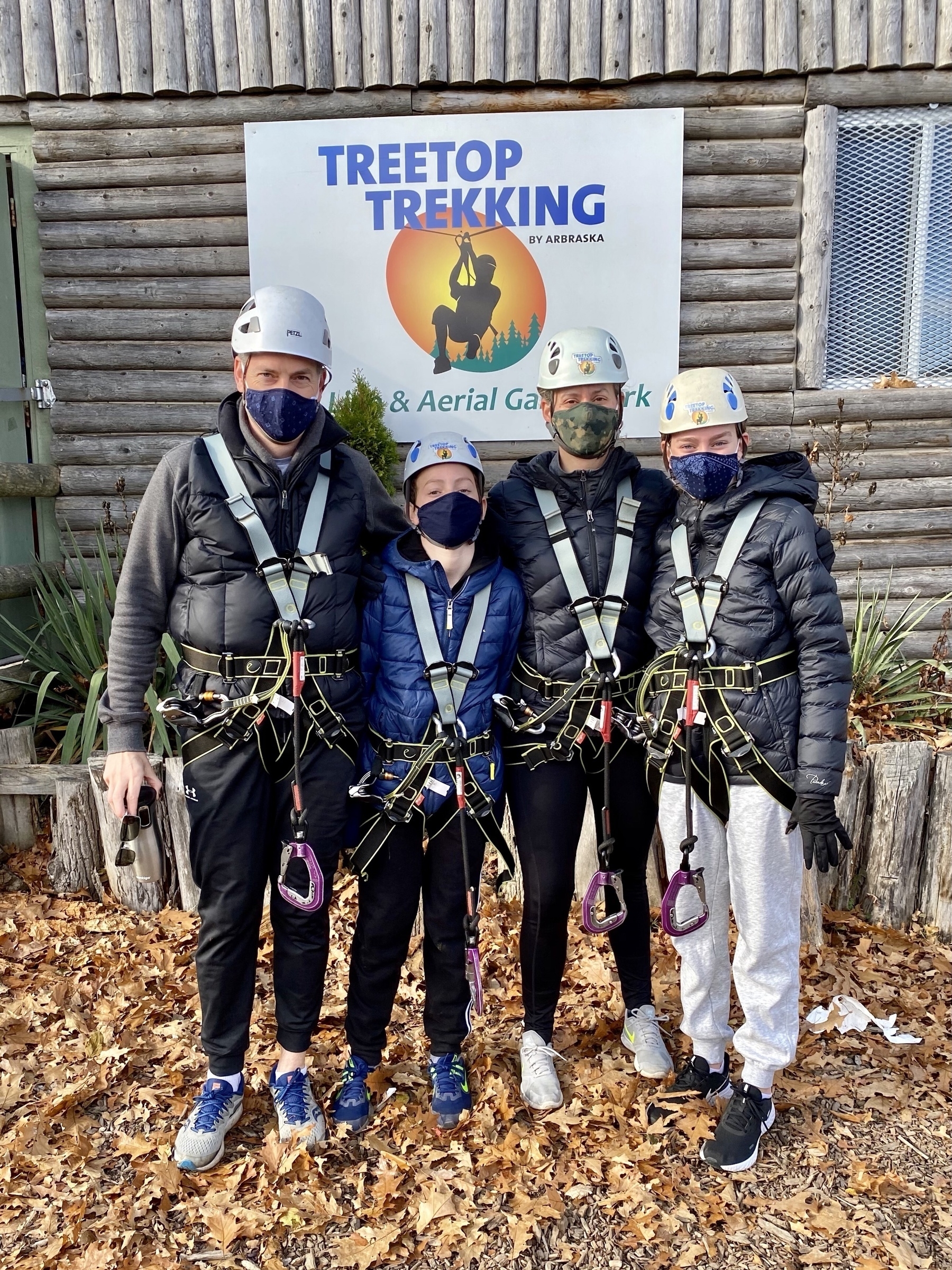
We had great fun Tree Top Trekking!
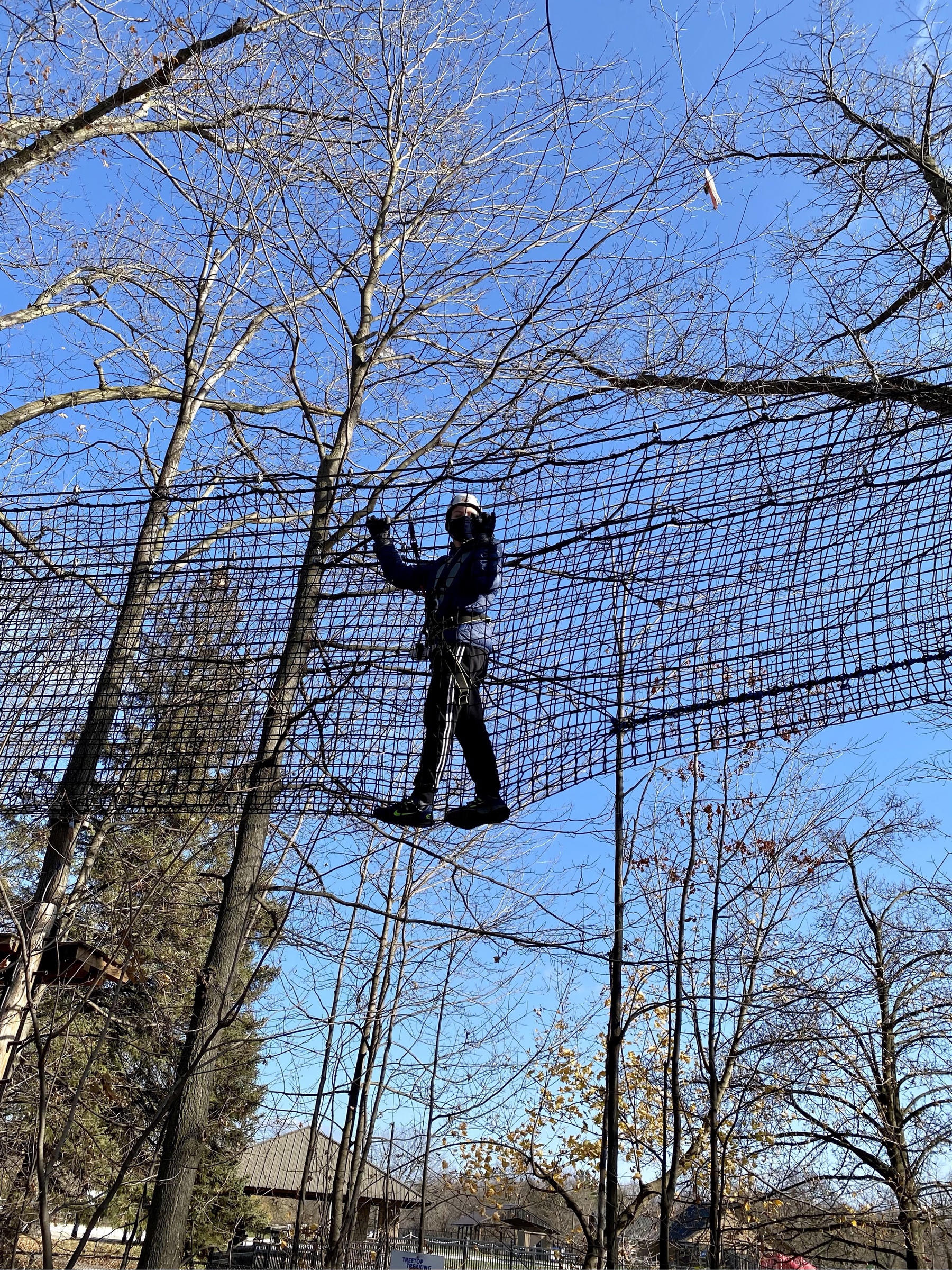
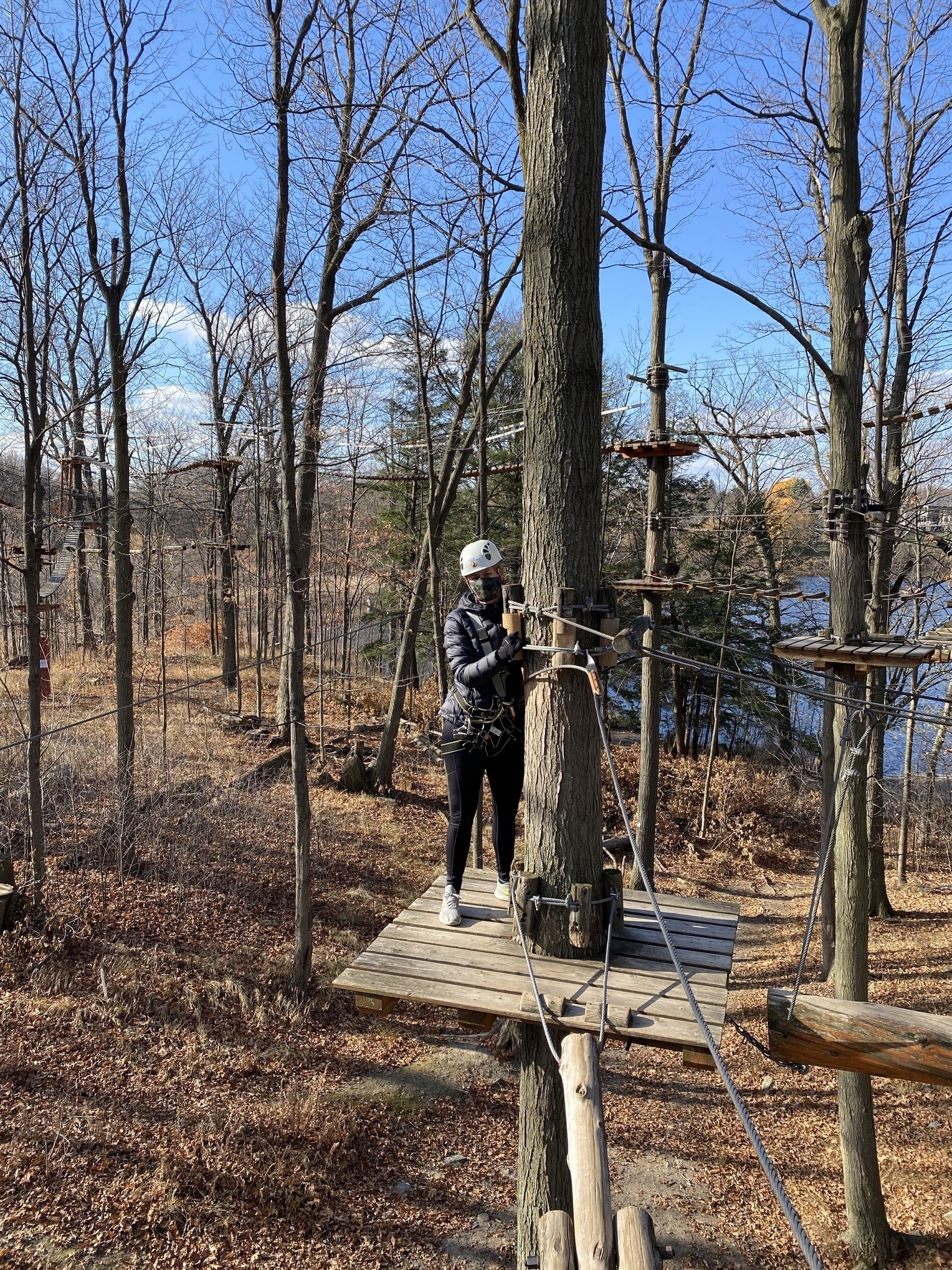
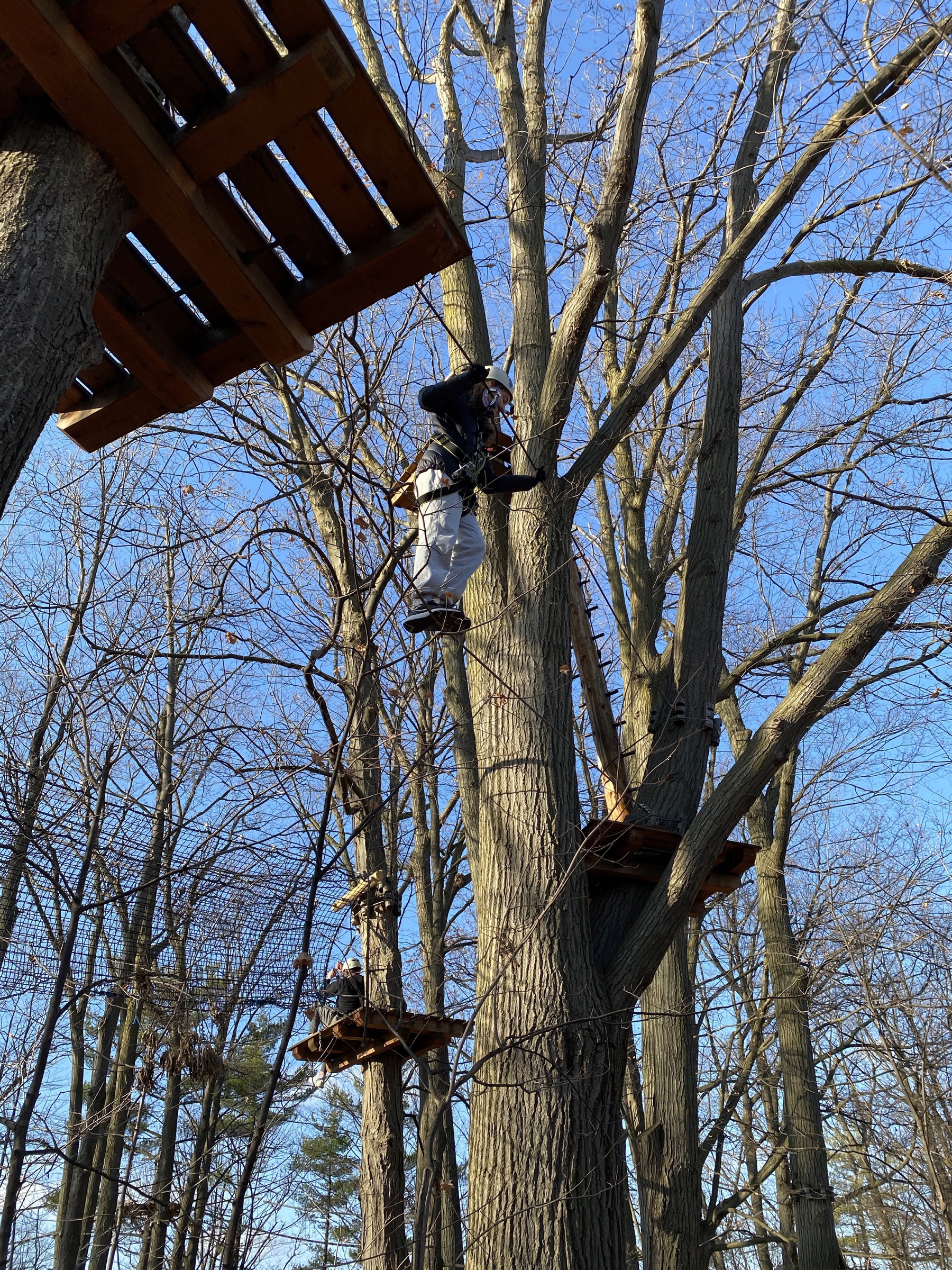
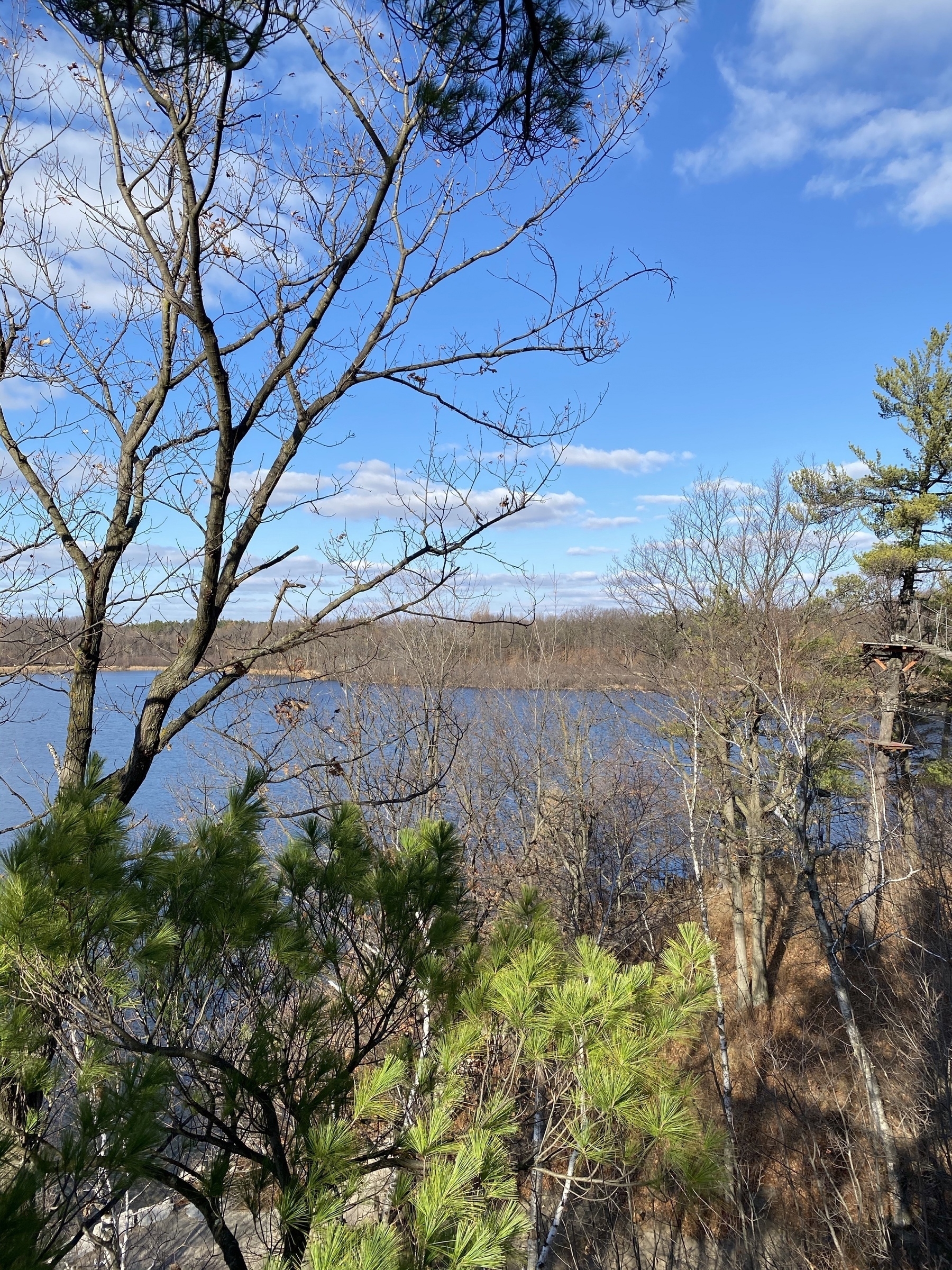
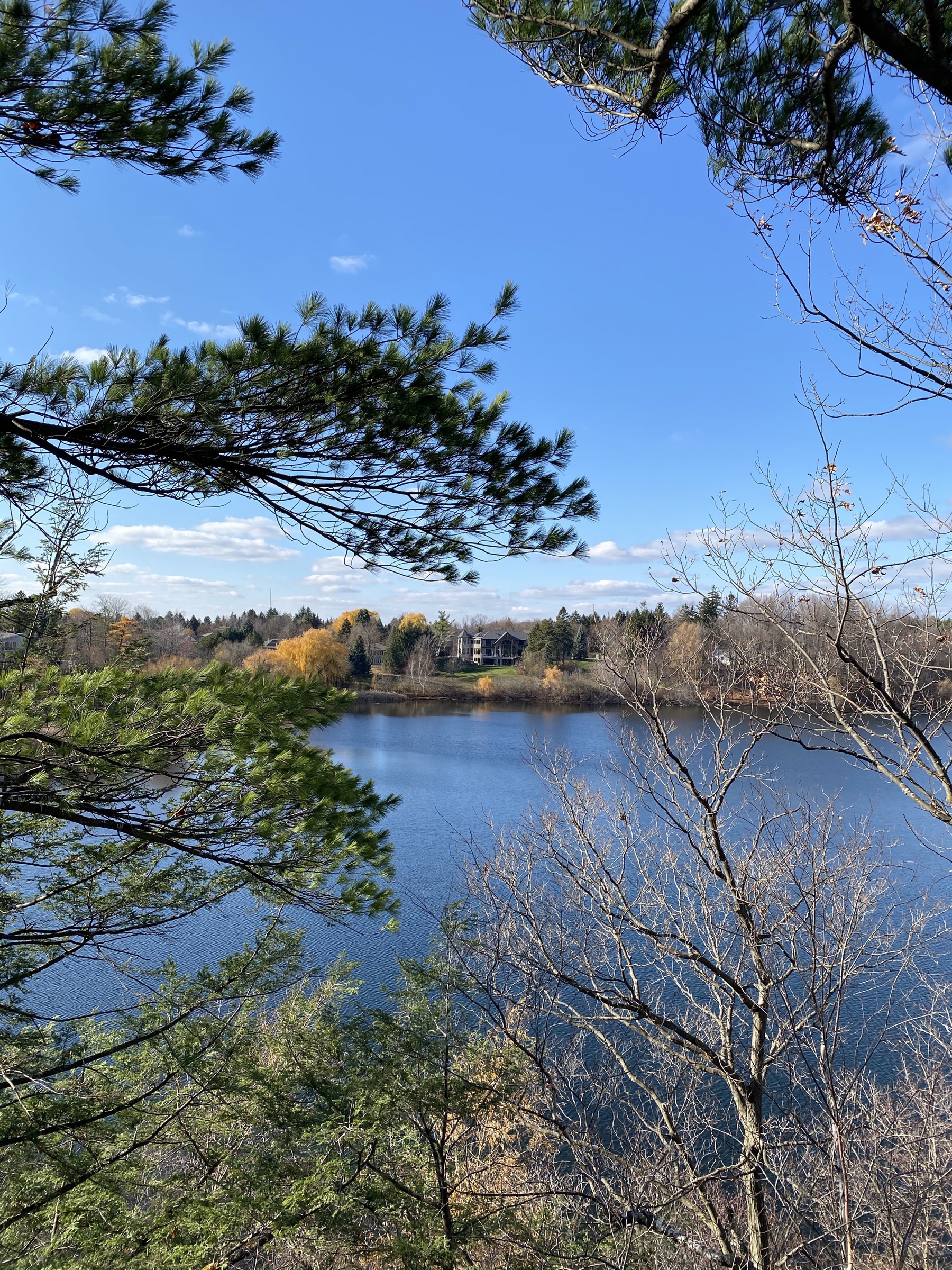
The view from the top of the trees was great, especially given the weather.
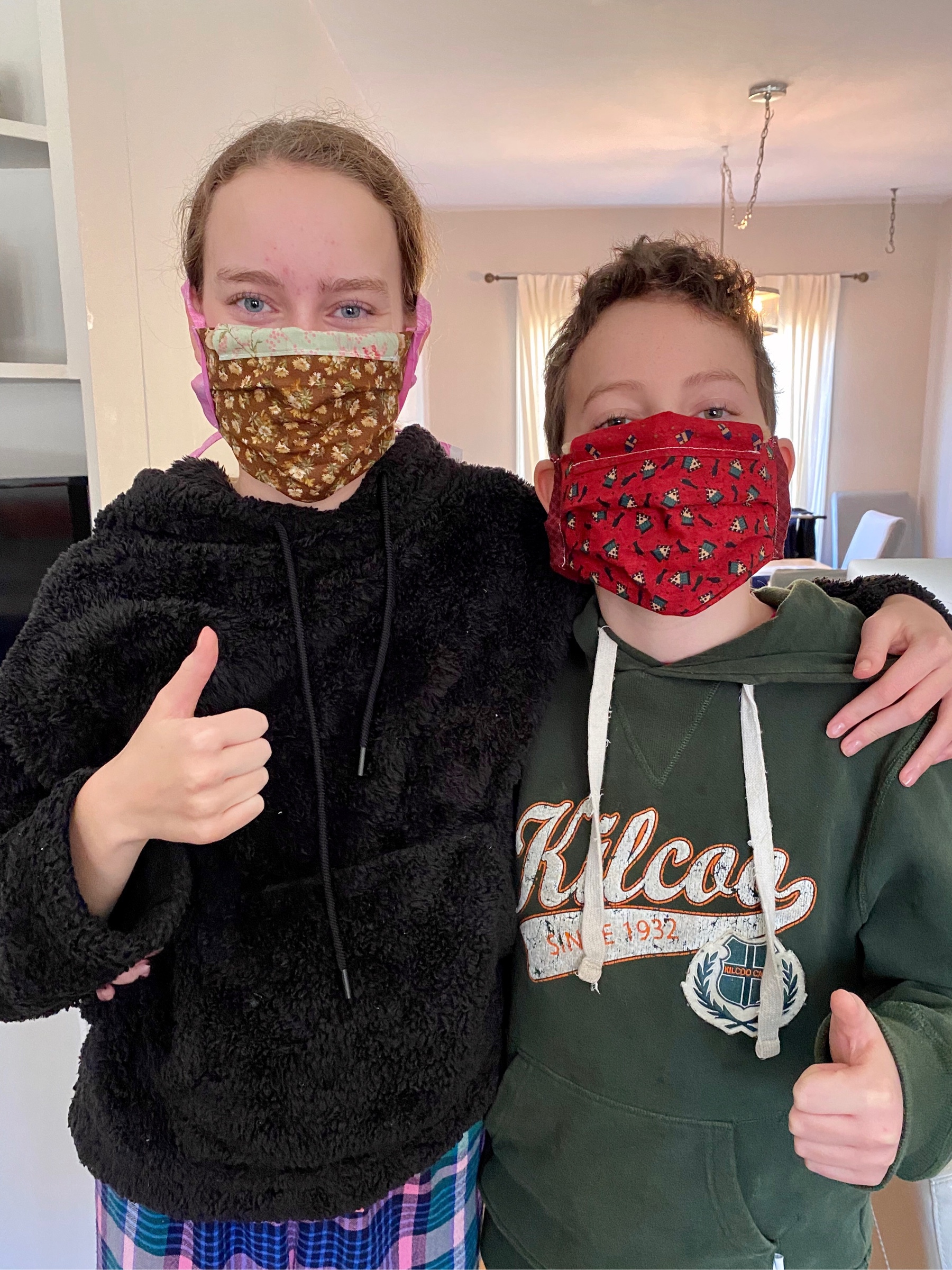
Please wear a mask! They really do help. #mbnov
Rather than turn up the heat, I decided to wear a sweater. I likely won’t be able to get away with this much longer, as the temperature keeps going down. Winter is coming! #mbnov

Currently reading: To Be Taught, If Fortunate by Becky Chambers 📚