Just Be Normal About S**t by JA Westenberg
Be normal, and opt out of the deranged belief that the only way to take something seriously is to take it to the most extreme possible conclusion.
Seems to me like a great approach.
Just Be Normal About S**t by JA Westenberg
Be normal, and opt out of the deranged belief that the only way to take something seriously is to take it to the most extreme possible conclusion.
Seems to me like a great approach.
Andrew MacDougall: Lessons from D-Day, 82 years later:
Looking at the past with rose-coloured glasses is usually a waste of time. We’re never going to be the country we were when it served up the “Greatest Generation.” But we do need a renewed sense of nationhood. We need to become a place that can once again pull together to do big things when called upon by the world. Different things, surely, but big just the same. What we shouldn’t be in a rush to do, especially in the face of Trumpian disorder, is to further weaken ourselves, whether by continuing our economic and military stagnation, or carving up the country via referendum.
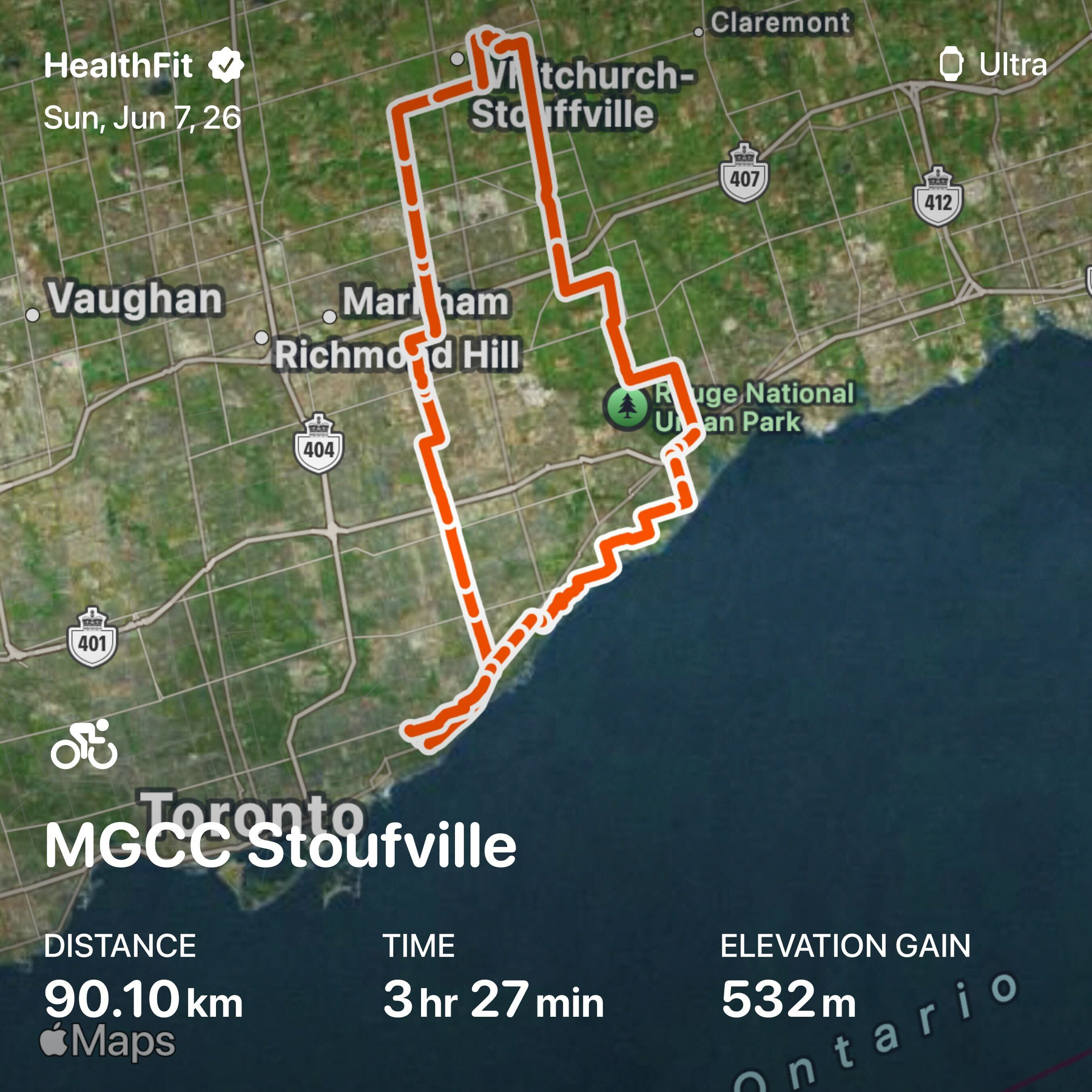
🚴 Glad to get out for my first proper long ride of the season. The nasty headwind on the way up became a glorious tailwind coming back.
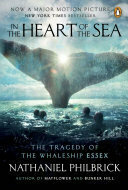
Finished reading: In the Heart of the Sea by Nathaniel Philbrick is the harrowing story of survival that inspired Moby Dick. Hard to imagine such an ordeal 📚
Fun to listen to Yankee Hotel Foxtrot by Wilco from start to finish for The Hemispheric Cavalcade Bingo Arcade June-boree! 🎵

Watched: Although I enjoyed For All Mankind Season 5, I agree with The NASA Vending Machine that the balance wasn’t quite right 🍿
🇨🇦 Gander is an interesting experiment: a “Canada first” social network, built on the AT Protocol. I’m trying out the beta and it works well. As usual, though, the challenge is getting enough people on the network to make it compelling.
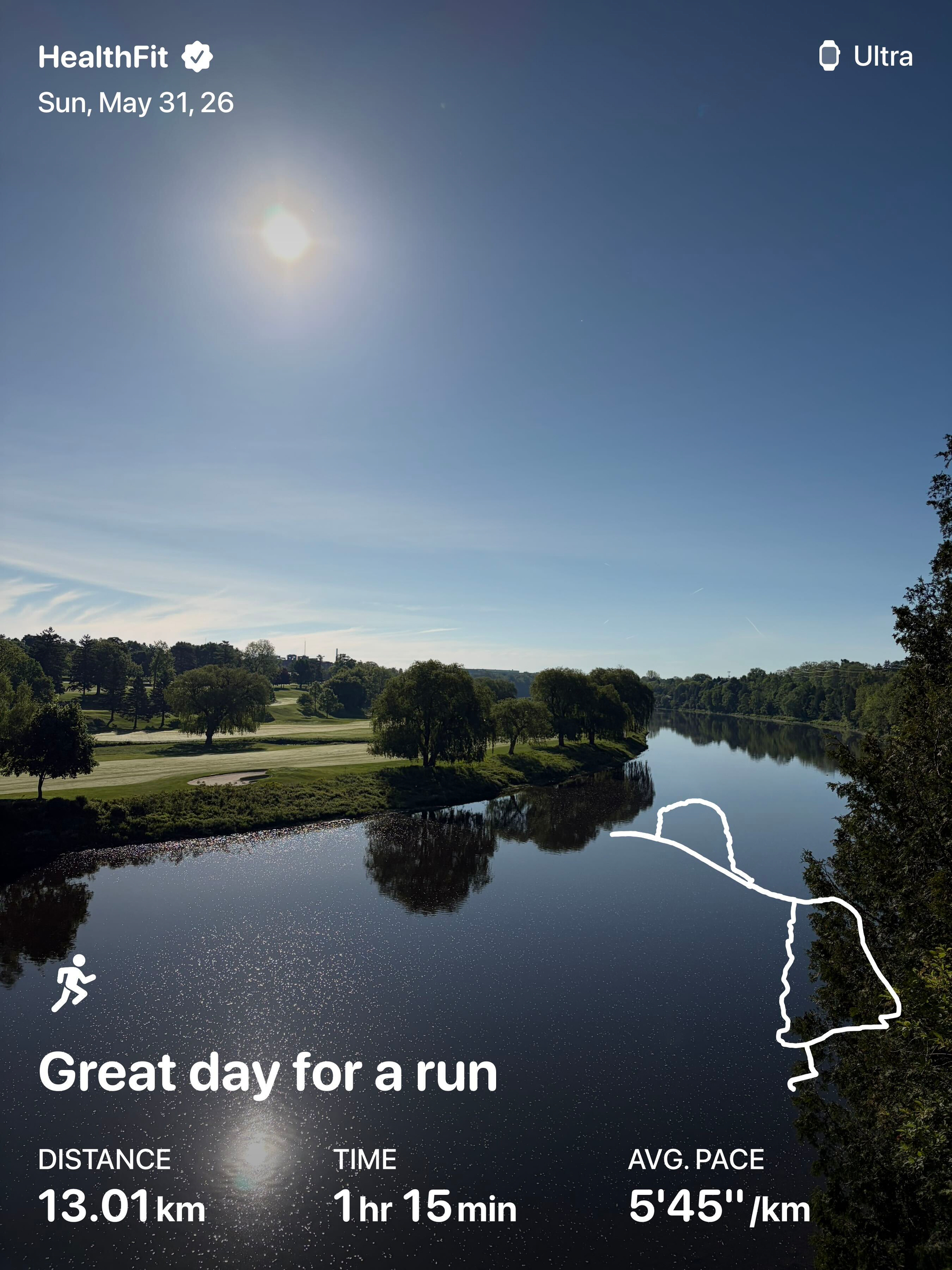
🏃♂️ My kind of weather
Willibald Farm Distillery & Brewery. 📍
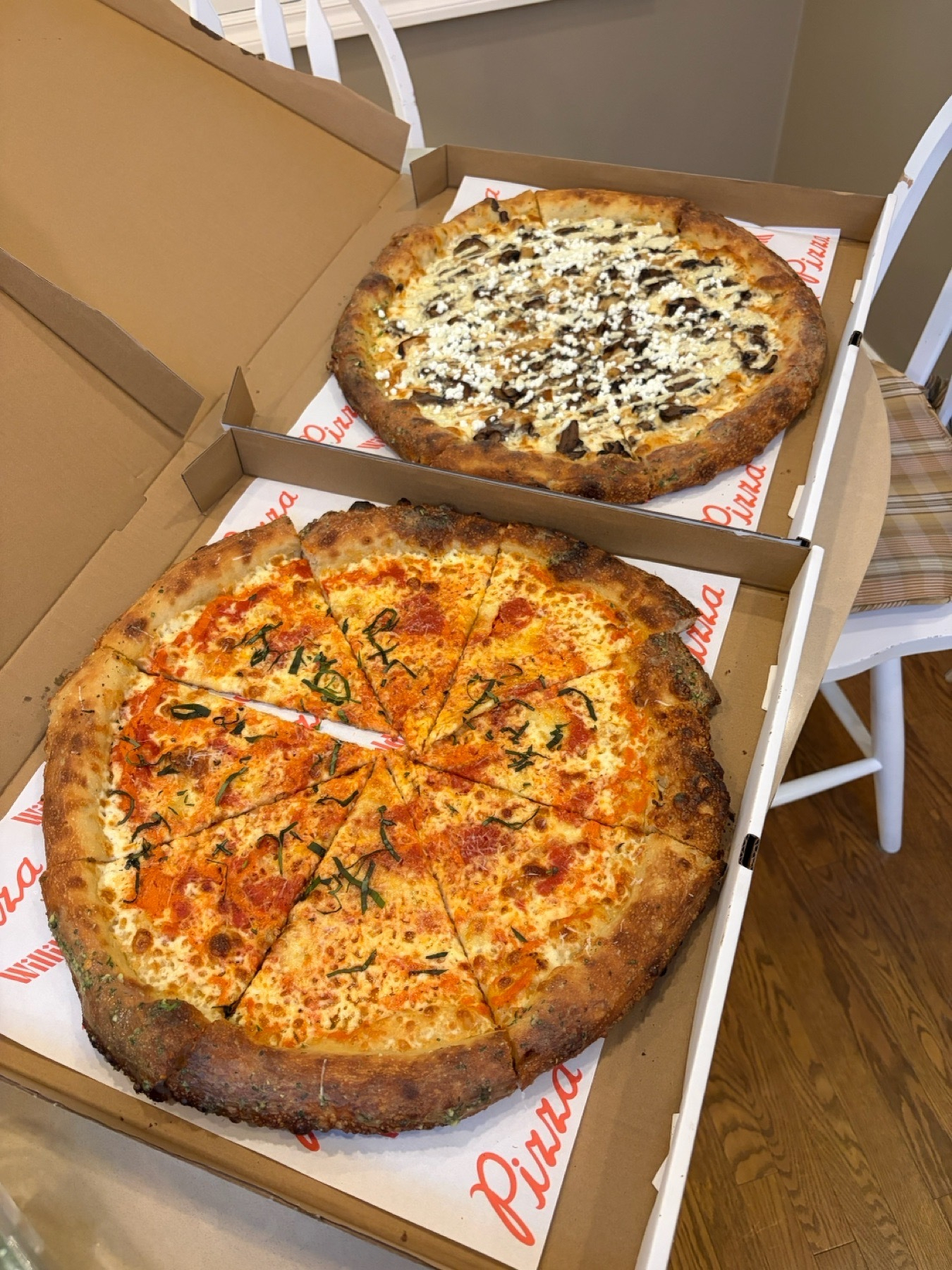
Delicious pizza from Willibald

Finished reading: Gardens of the Moon by Steven Erikson is an immersive story with great, imaginative details. Took a few chapters to get into and then was a page turner 📚
Wedges ‘N Woods Golf Academy. 📍
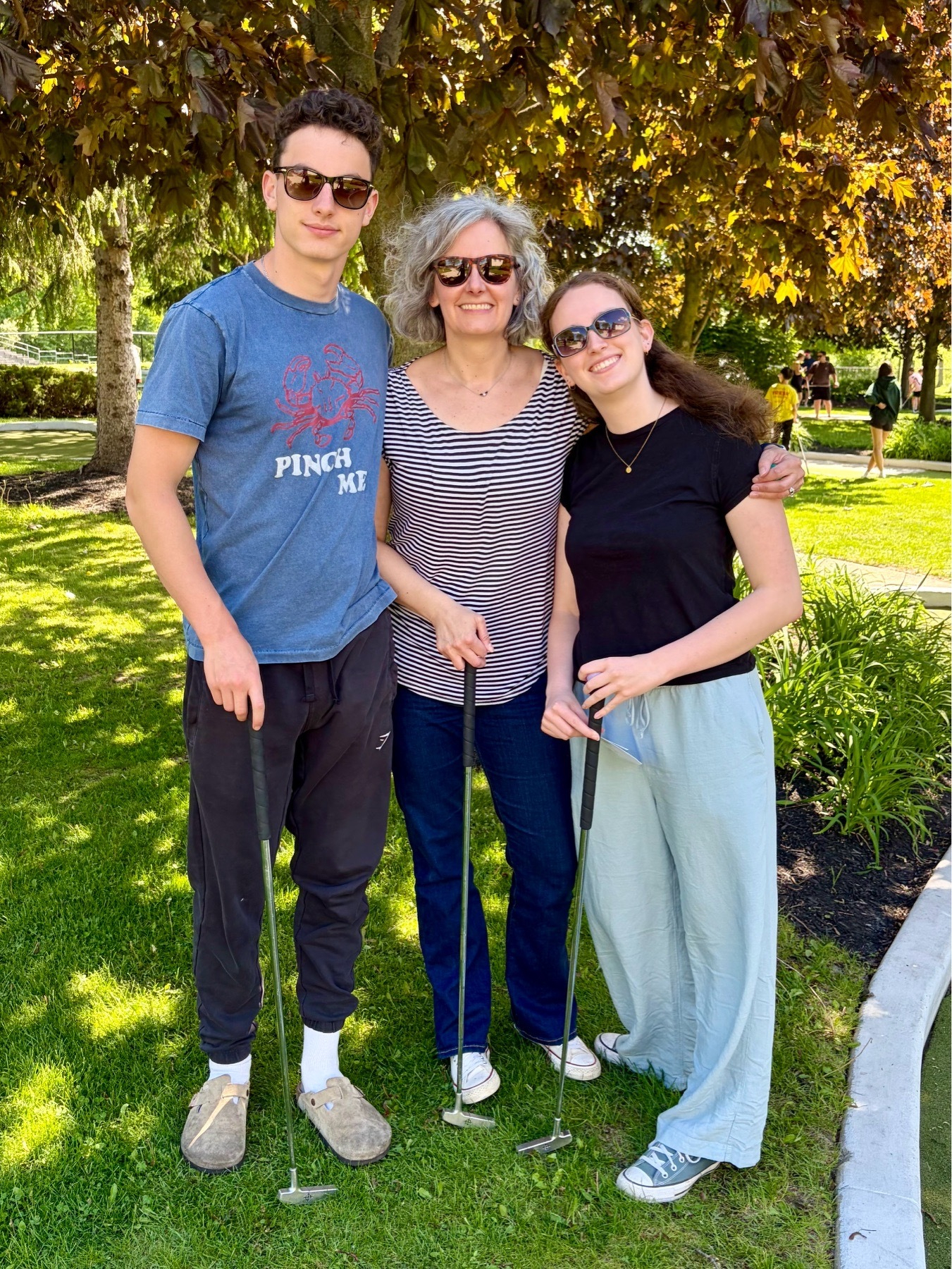
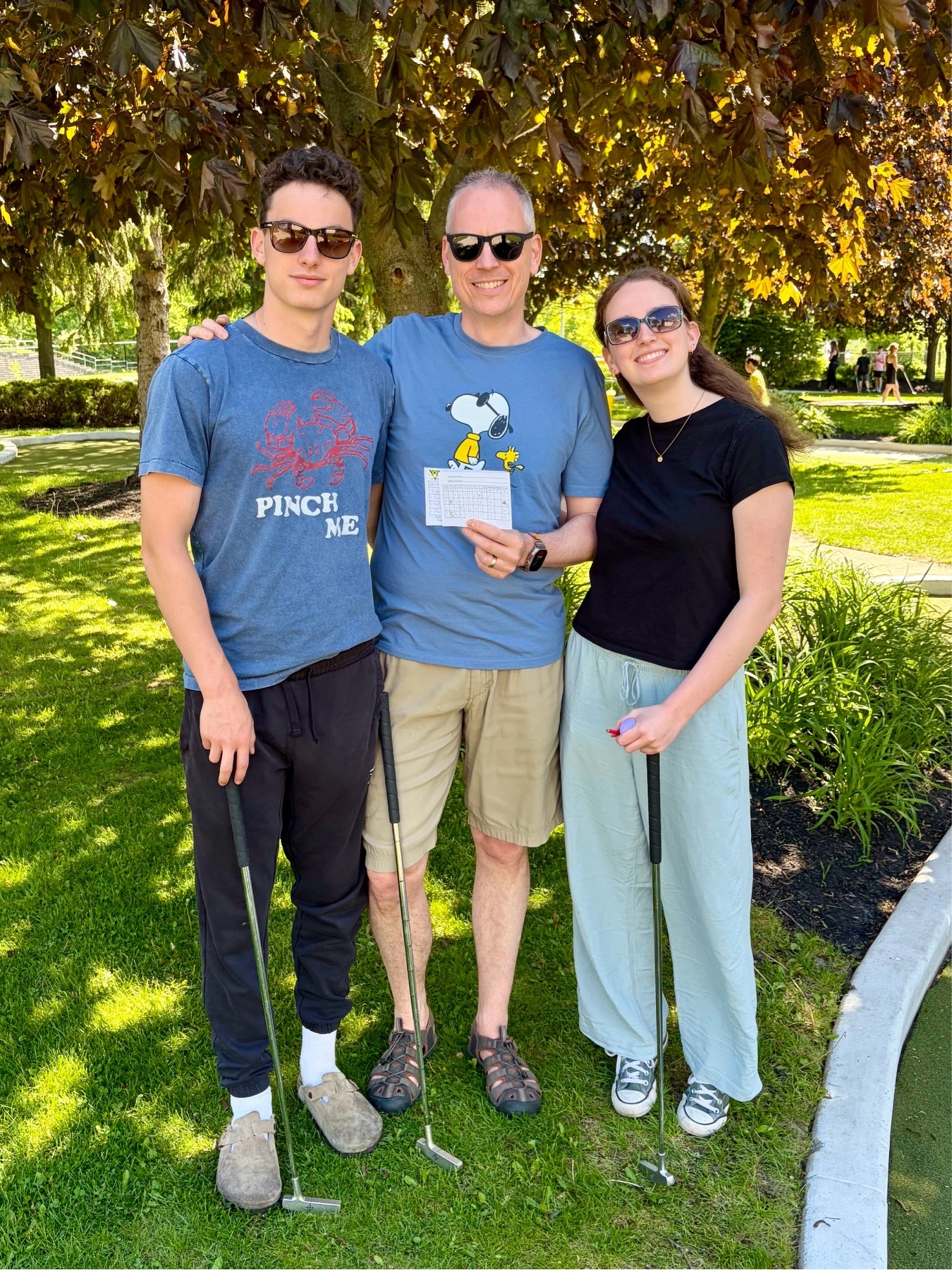
Mini golf on a lovely day ⛳️
🚴 Glad to finally get out for my first outdoor ride of the season, though the 5am wake up was rough
Friday before a long weekend and a wave of meetings have been getting cancelled throughout the day. Now there’s just one left at 3pm, taunting me.
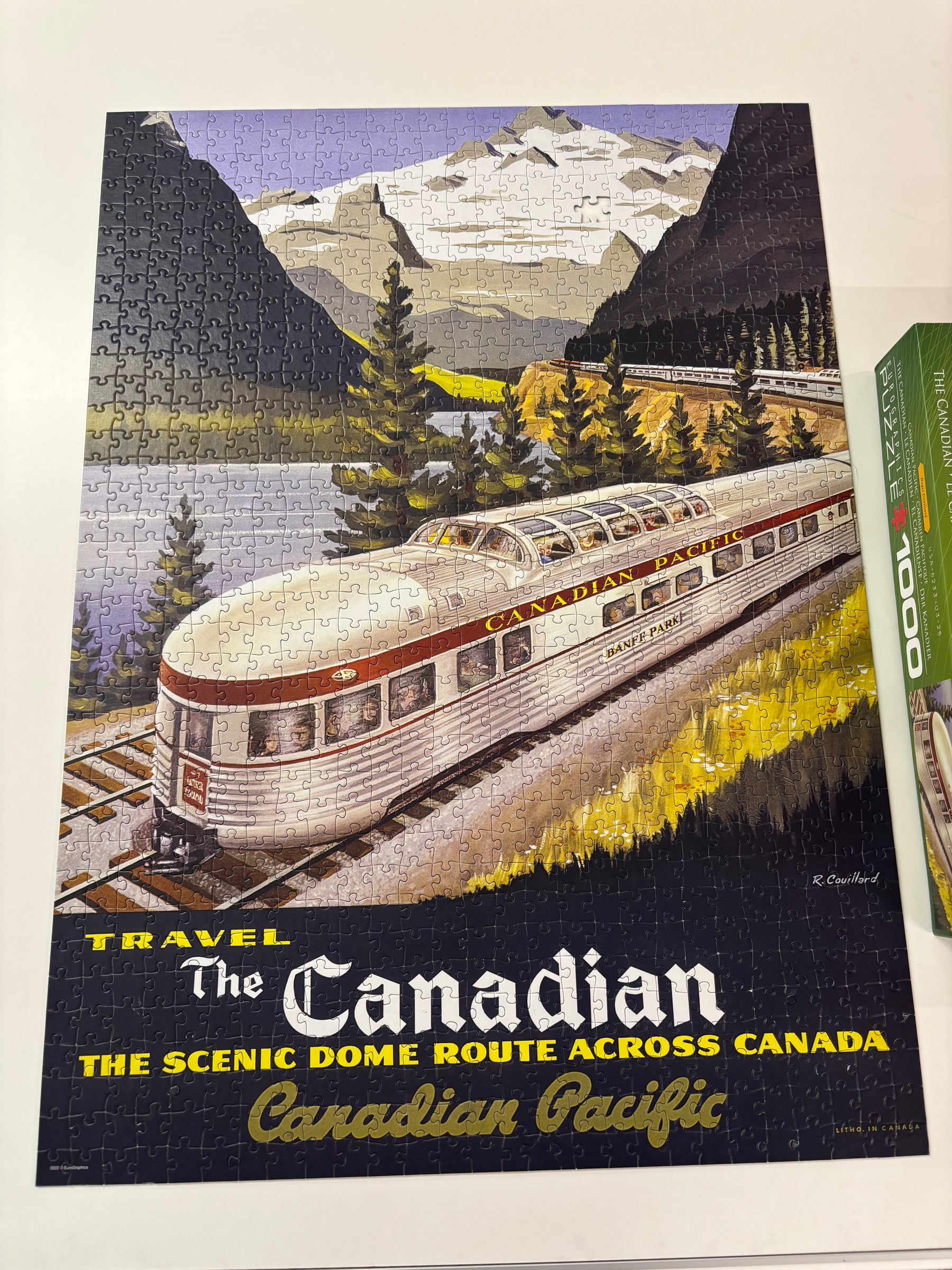
The collaborative office puzzle is complete
🔗 Jonathan English makes a useful distinction in Engineering Problems and Phone Call Problems
There is a distinction that the infrastructure planning world doesn’t tend to make explicitly, but that explains an enormous amount of why large projects cost what they cost. It’s the distinction between engineering problems and what I like to call “phone call problems.”
Phone call problems lead to increased costs, schedule delay, and significant uncertainty.
🔗 The morning shakeout by Mario Fraioli
As a coach, I use various tools and data to track trends over time and initiate deeper discussions with my athletes about where we’re heading and why. But there’s a big difference between a tool and a crutch. Data should be used to inform your decisions but outsourcing your decisions to a data point is a fool’s errand. I worry that in our rush to optimize every aspect of our training and racing that we’re losing touch with the parts of this pursuit that can’t be measured and why most of us started running in the first place.
Considering a switch from Day One to Everlog for journaling, the decision hinges on cost, developer support, and the app’s ability to meet personal journaling needs.
I asked Claude to find all the books I’d missed from series that I’d started
I started reading: Gardens of the Moon by Steven Erikson. I’ve read that if I can get through the first couple of hundred pages, this is a great series. I’m up for the challenge! 📚
Listening to The Call by Broken Social Scene from Remember The Humans. Great to have a new album from this collective 🎵