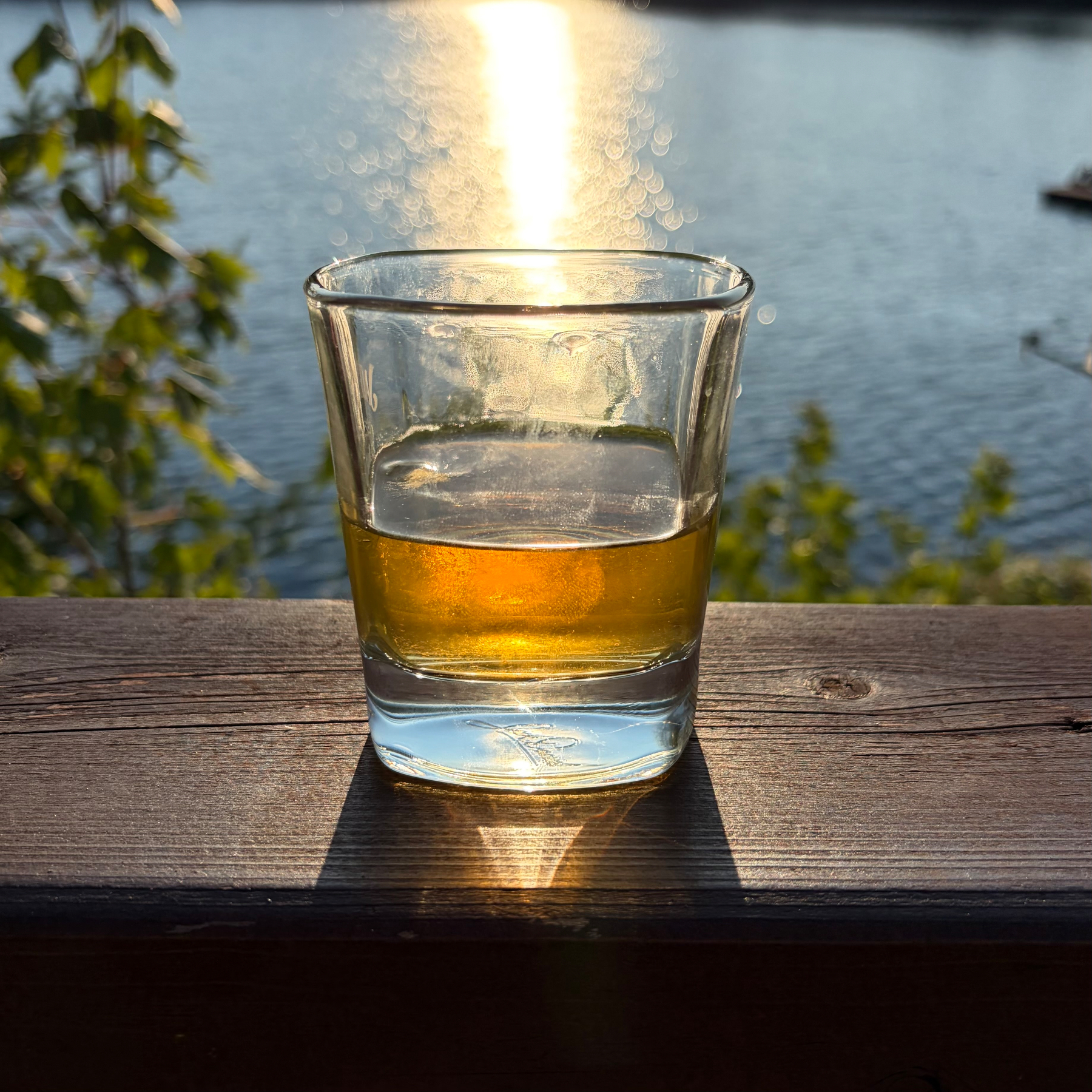
Thanks to my sister for bringing these whiskeys from the Elora Distilling Company. I’m starting with the Royal Amber
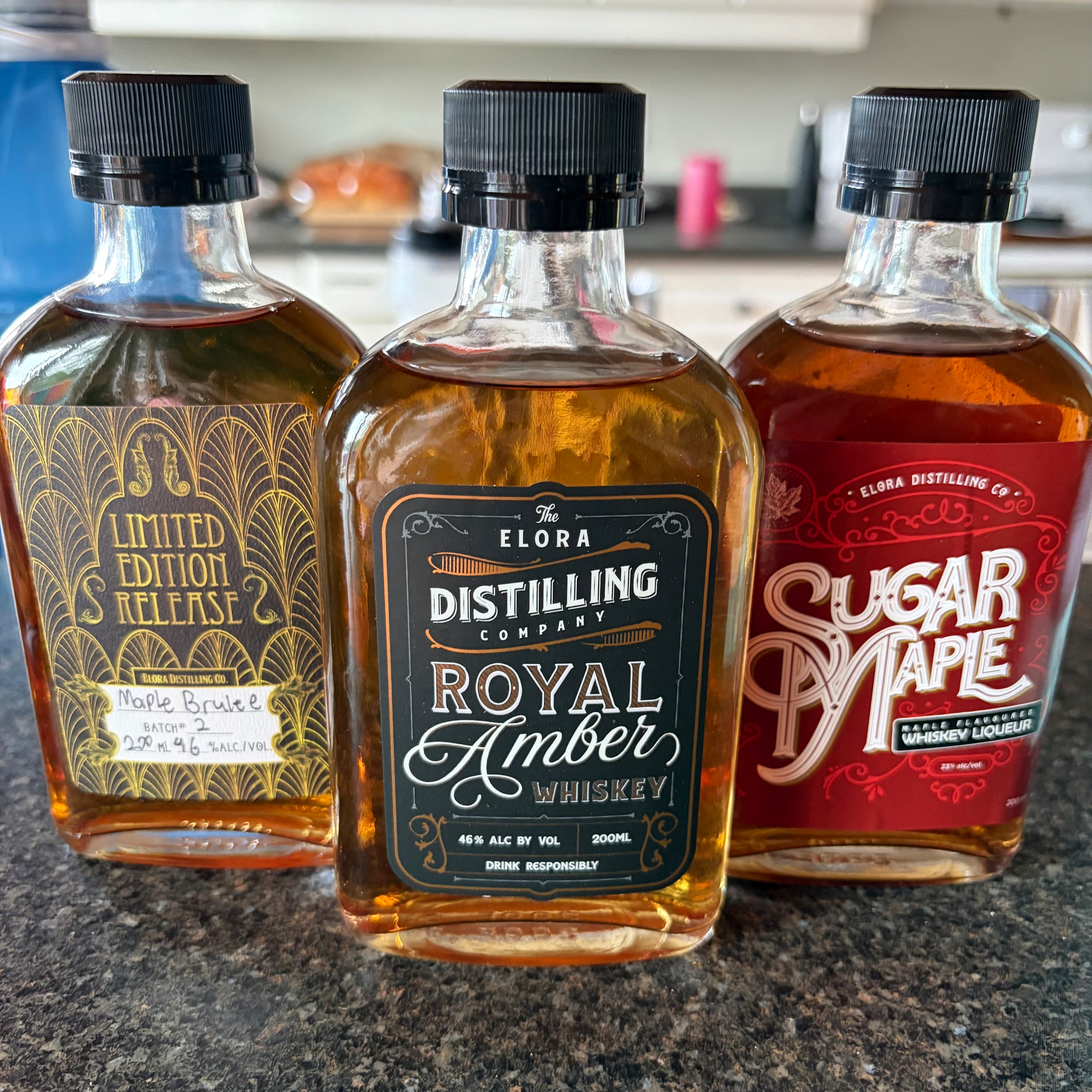
Thanks to my sister for bringing these whiskeys from the Elora Distilling Company. I’m starting with the Royal Amber
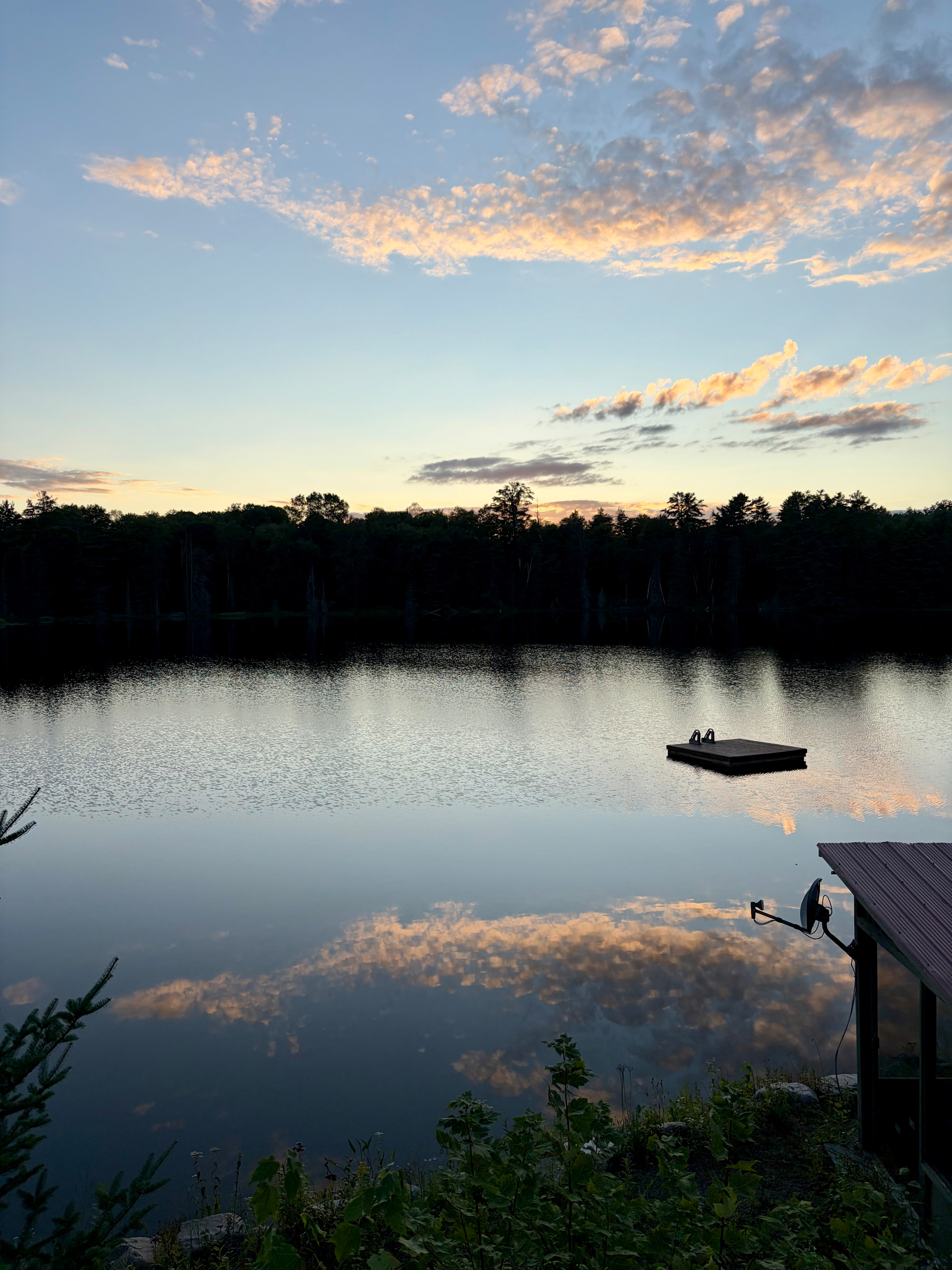
Vacation continues to go well
🔗 Don’t Become a Productivity Tourist - by JA Westenberg
Because the only metric by which you can actually judge a productivity system is this: did it allow you to produce something or not?
A good reminder for those of us that spend too much time adjusting our systems
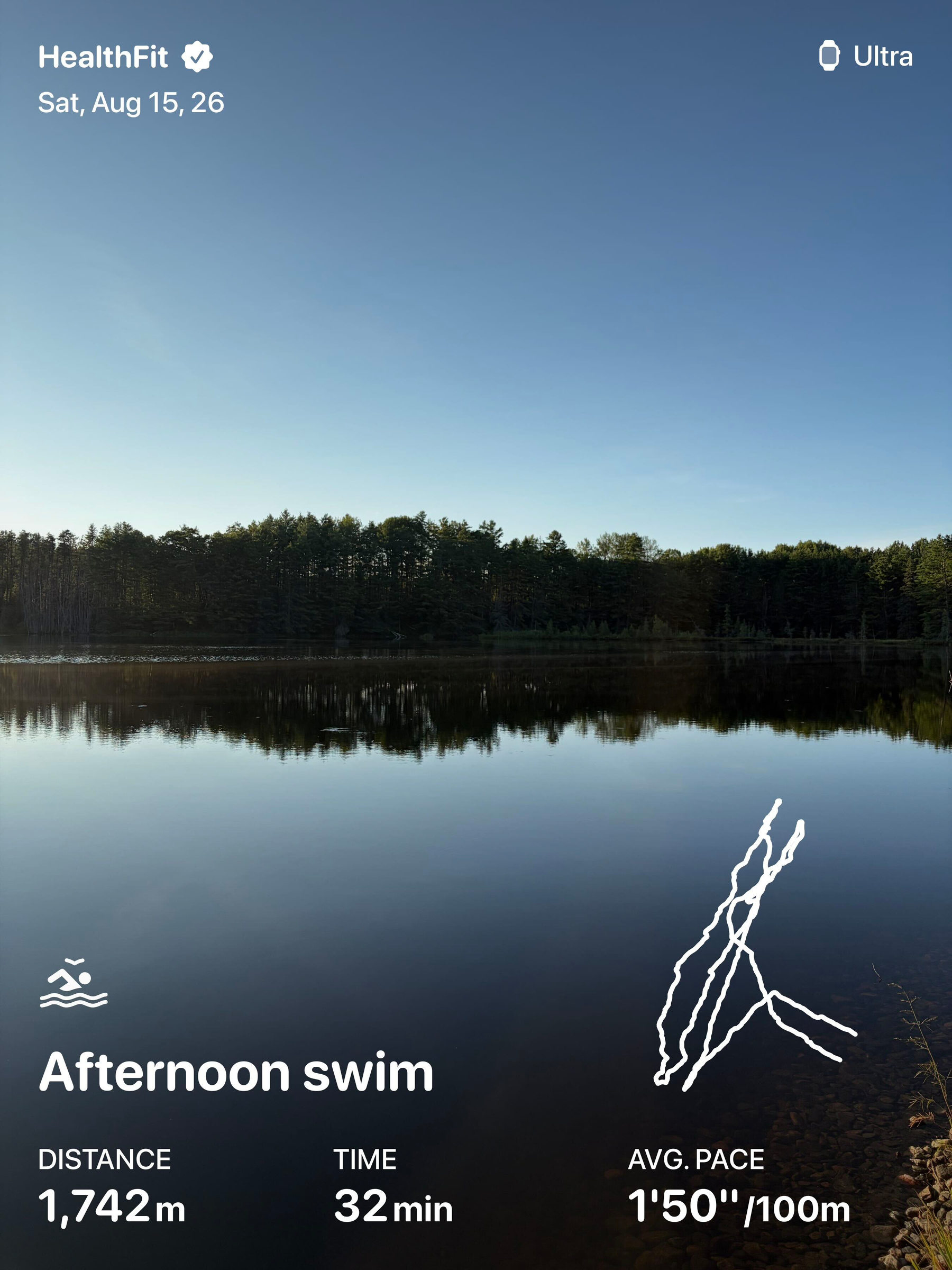
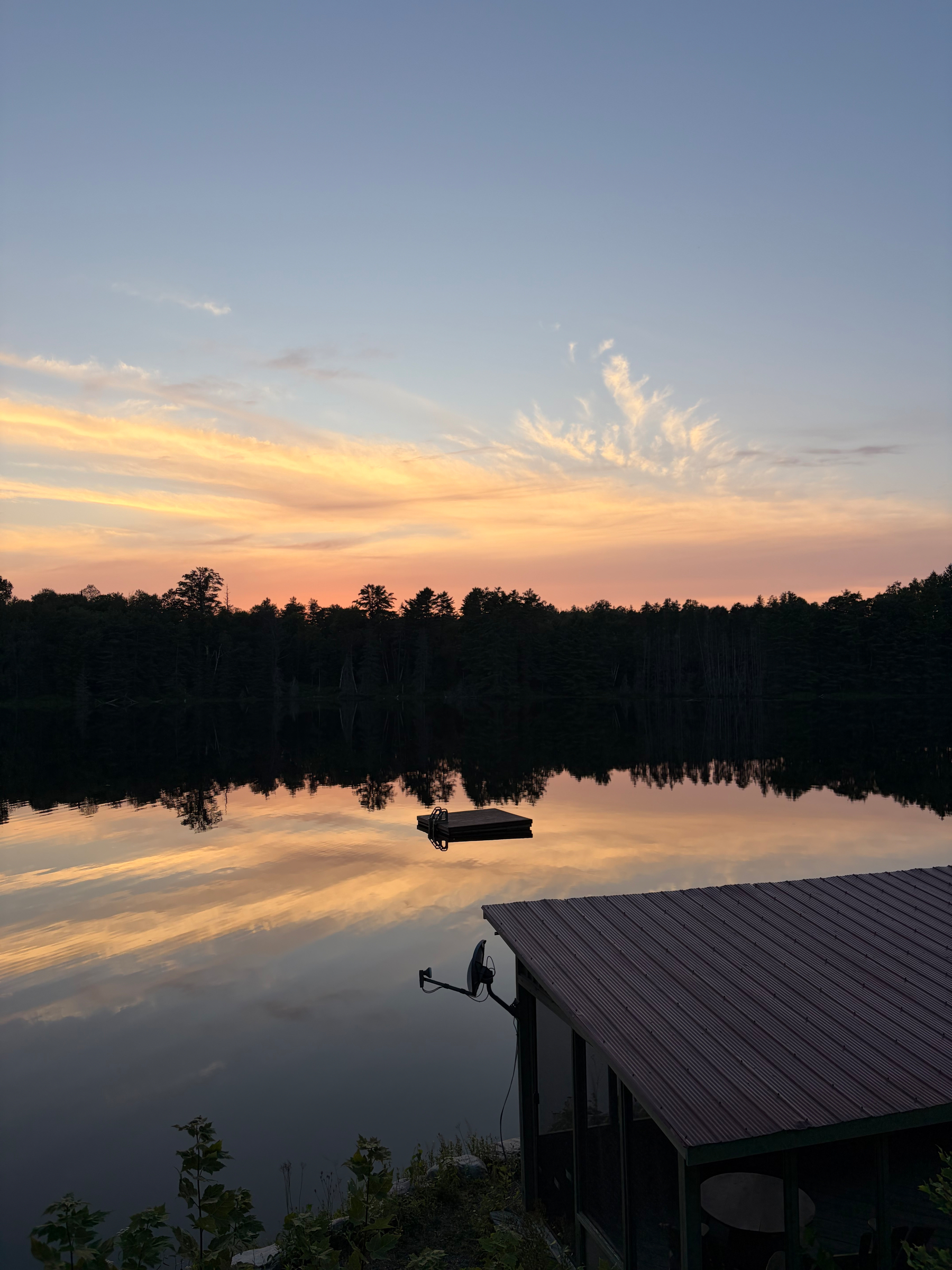
🏊♂️ The lake was like glass for this afternoon’s swim
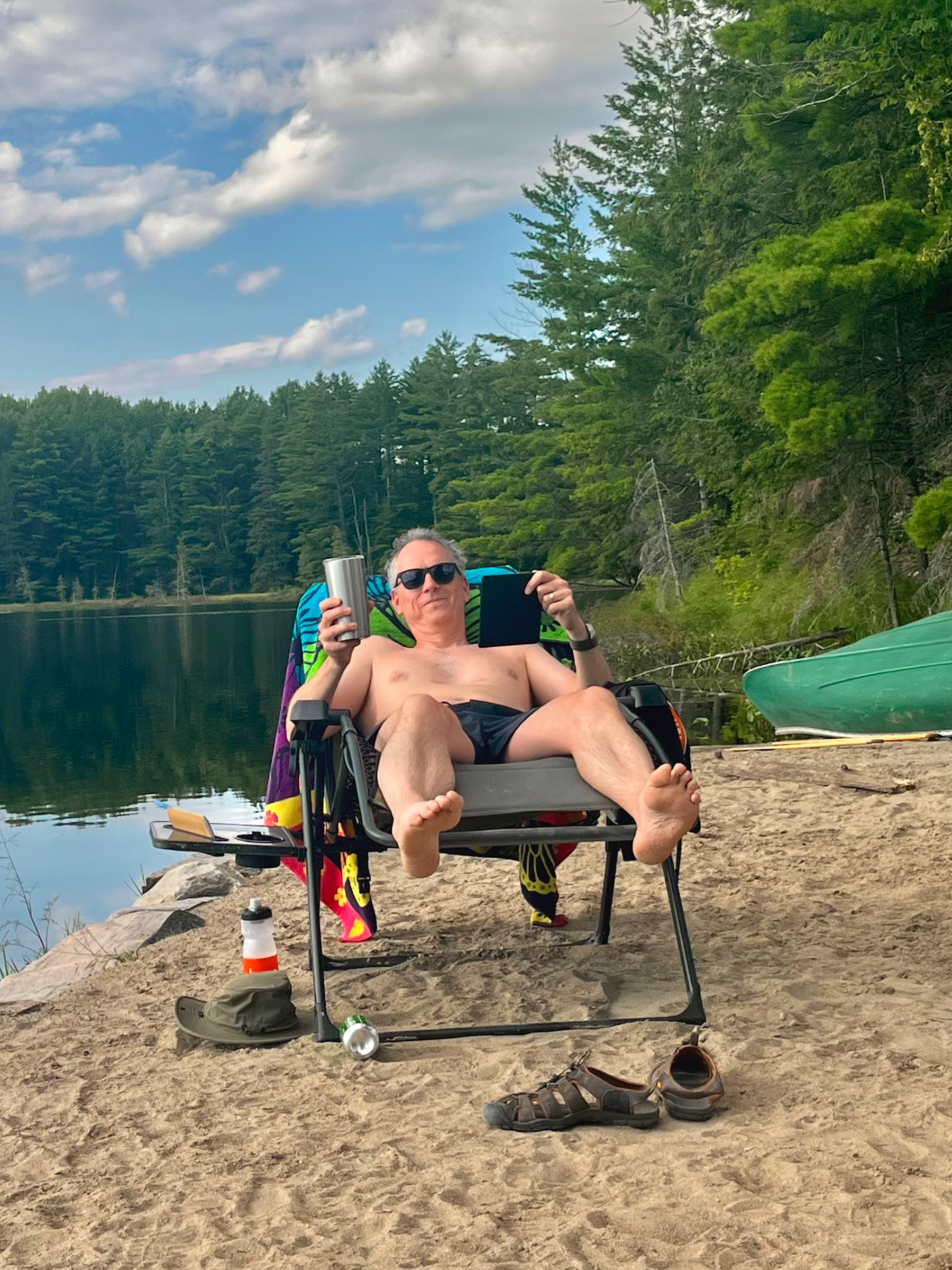
My daughter captured me in full cottage vacation mode: a beer in one hand and book in the other
🎶 After hearing my son and nephew rehearsing Is What It Is by Chance Peña, I’ve been a bit obsessed with it. They were practicing for an upcoming campfire concert at their summer camp, where there was recently a tragedy. Watching the campers comfort each other through the tragedy seemed resonant with the song’s lyrics

Finished reading: The Justice of Kings by Richard Swan is a compelling story about justice and the law. A great start to the series 📚
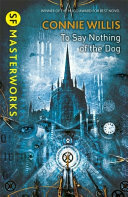
Finished reading: To Say Nothing of the Dog by Connie Willis is a fun and zany time-travel mystery. Although I enjoyed the story, it does get a bit frenetic 📚
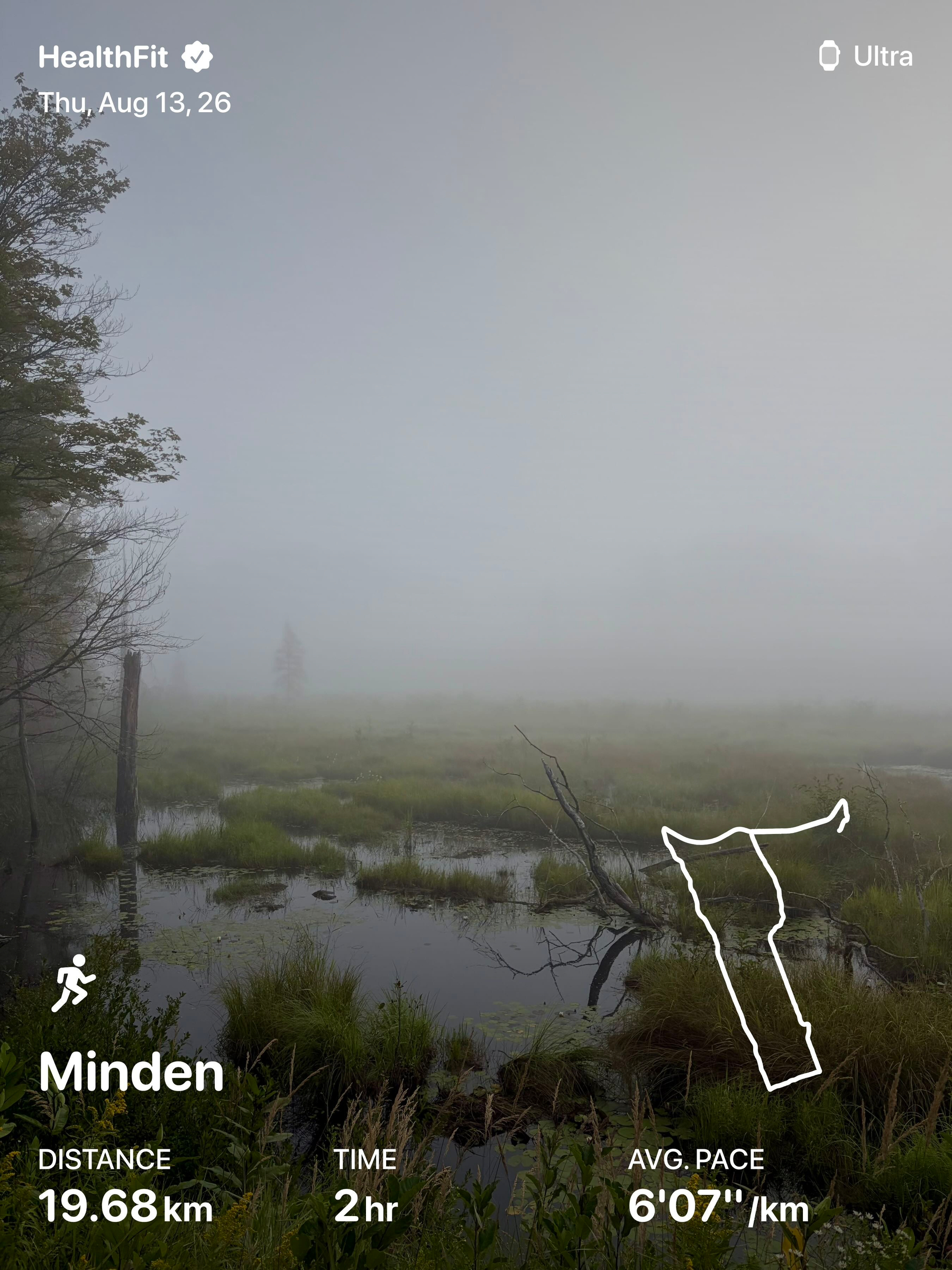
🏃♂️ Misty morning run
Another good day at the cottage
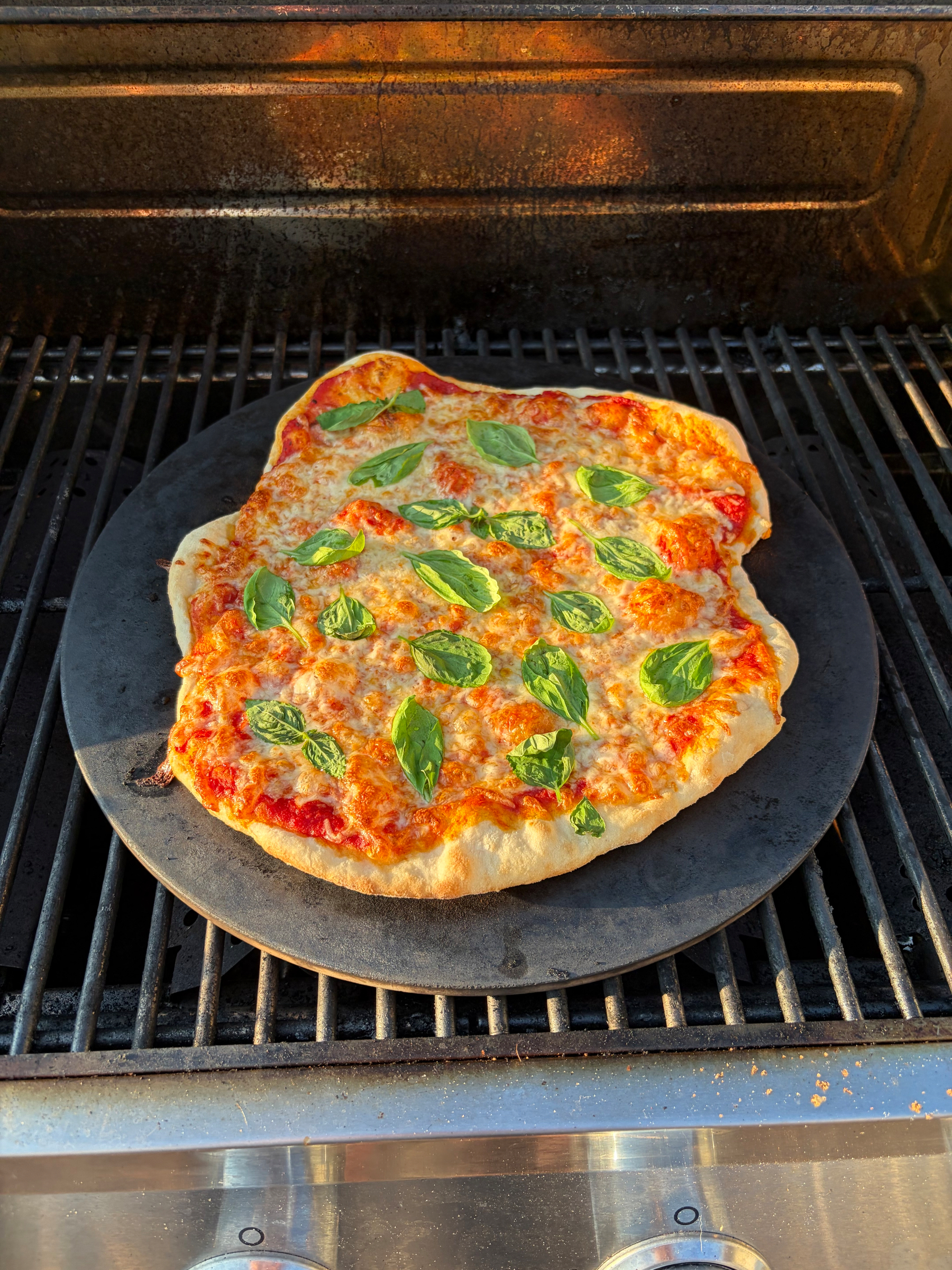
Pizza on the BBQ
Lined that up surprisingly well, if accidentally
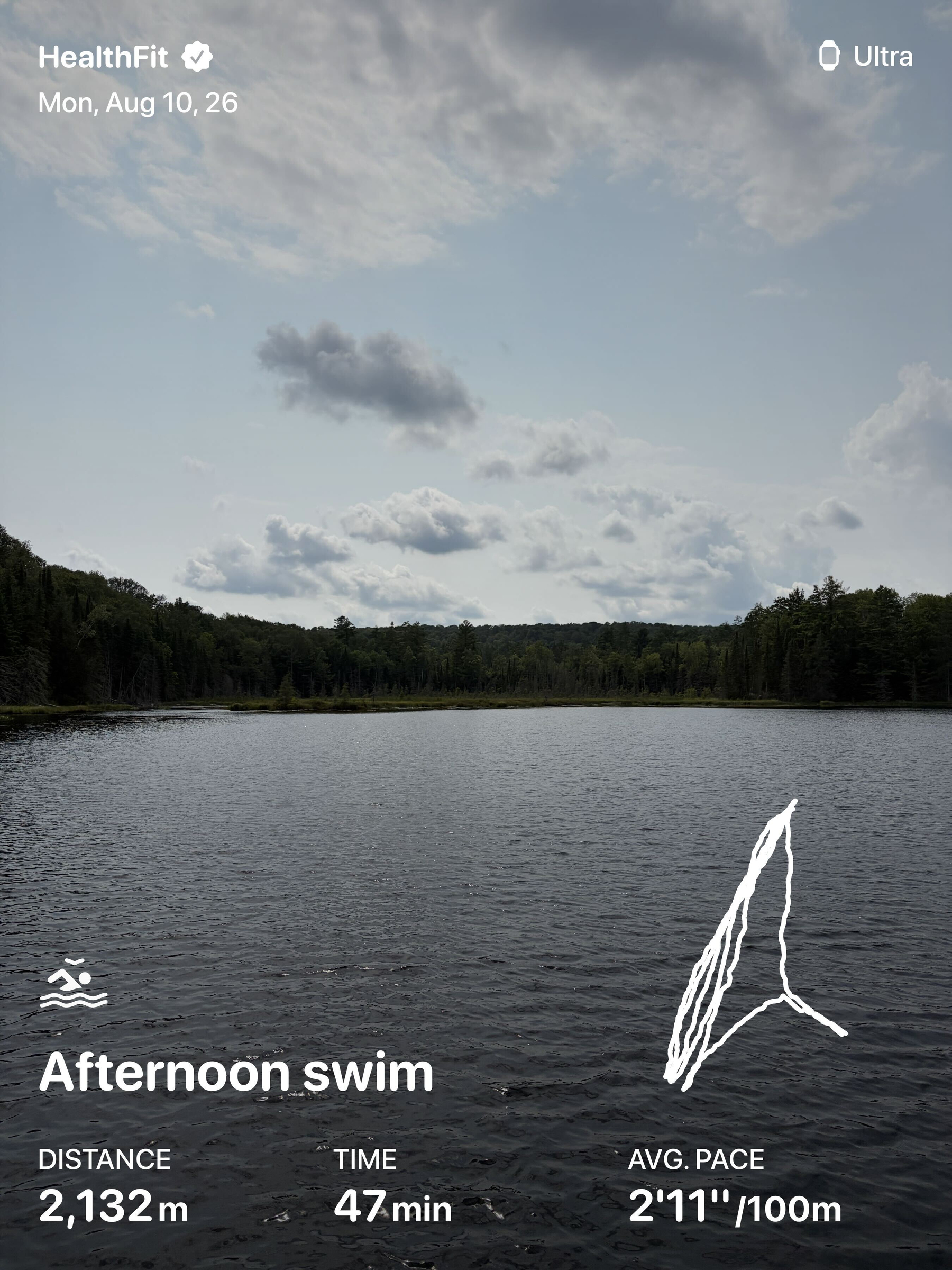
🏊♂️ Swimming in a Haliburton lake is so much nicer than a Toronto pool

Finished reading: Surprising no one, Alias Grace A Novel by Margaret Atwood is very well written📚
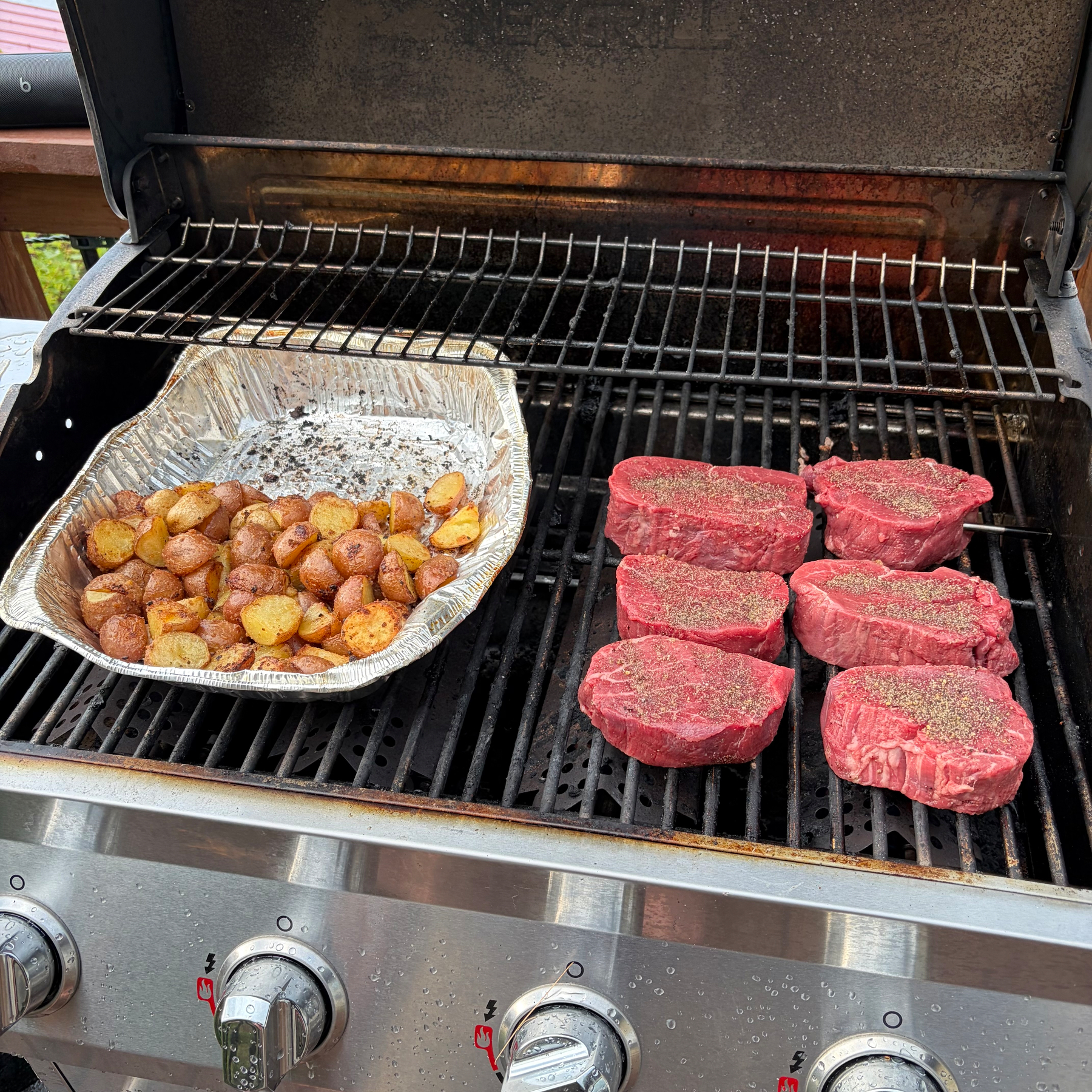
Getting dinner ready with my sous chef
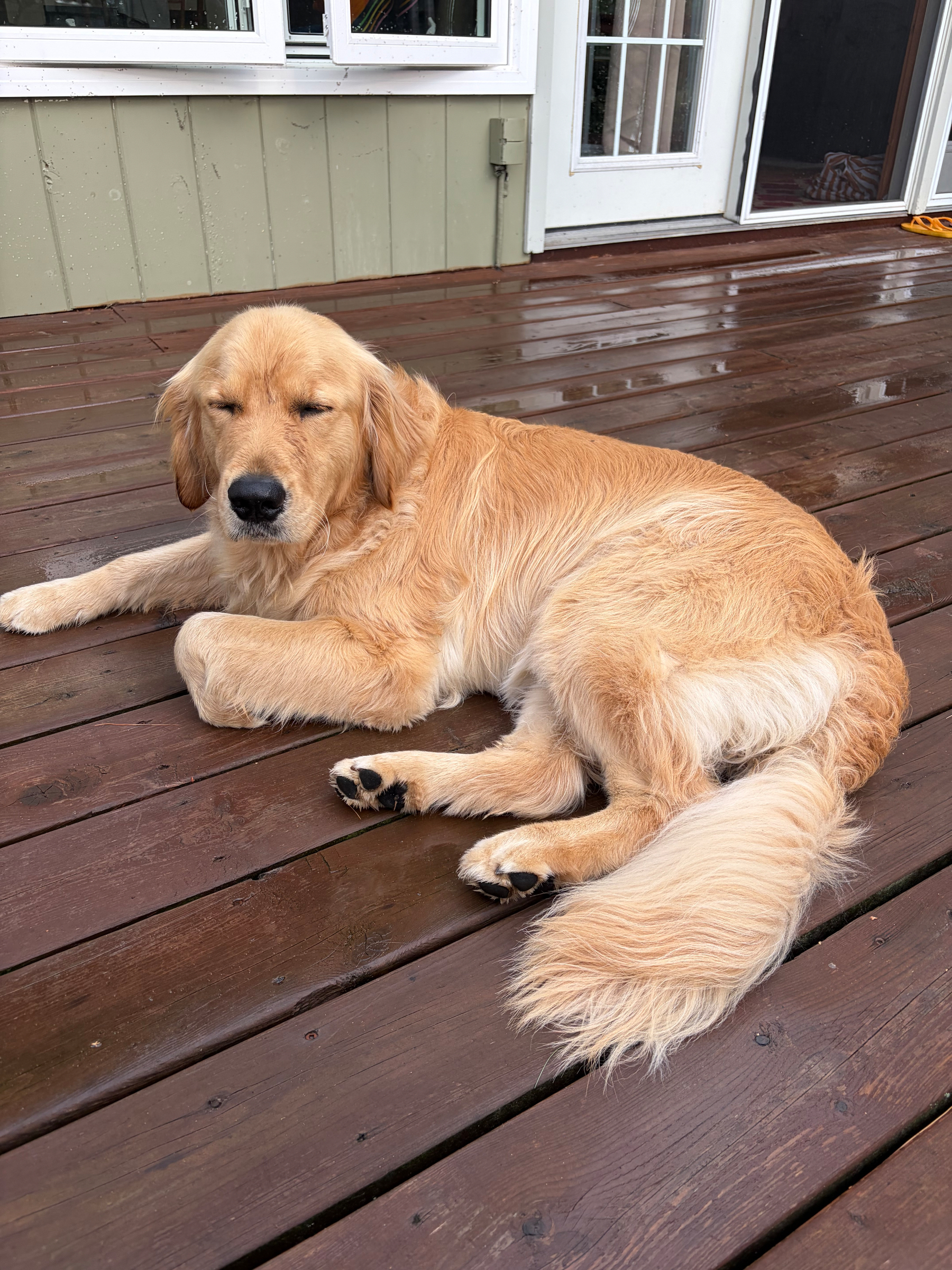
🎵 Song of the week for my daughter — Midnight Rider by The Allman Brothers Band from Idlewild South (Deluxe Edition). An easy-going song about freedom and resilience
After experimenting with many different apps and approaches, I’m back to integrating everything into Reeder. I like the clean, consistent aesthetic, easy gestures for actions, and ease of integrating diverse sources.
🏃♂️ I’m glad to have finished this run before the big thunderstorm rolled through
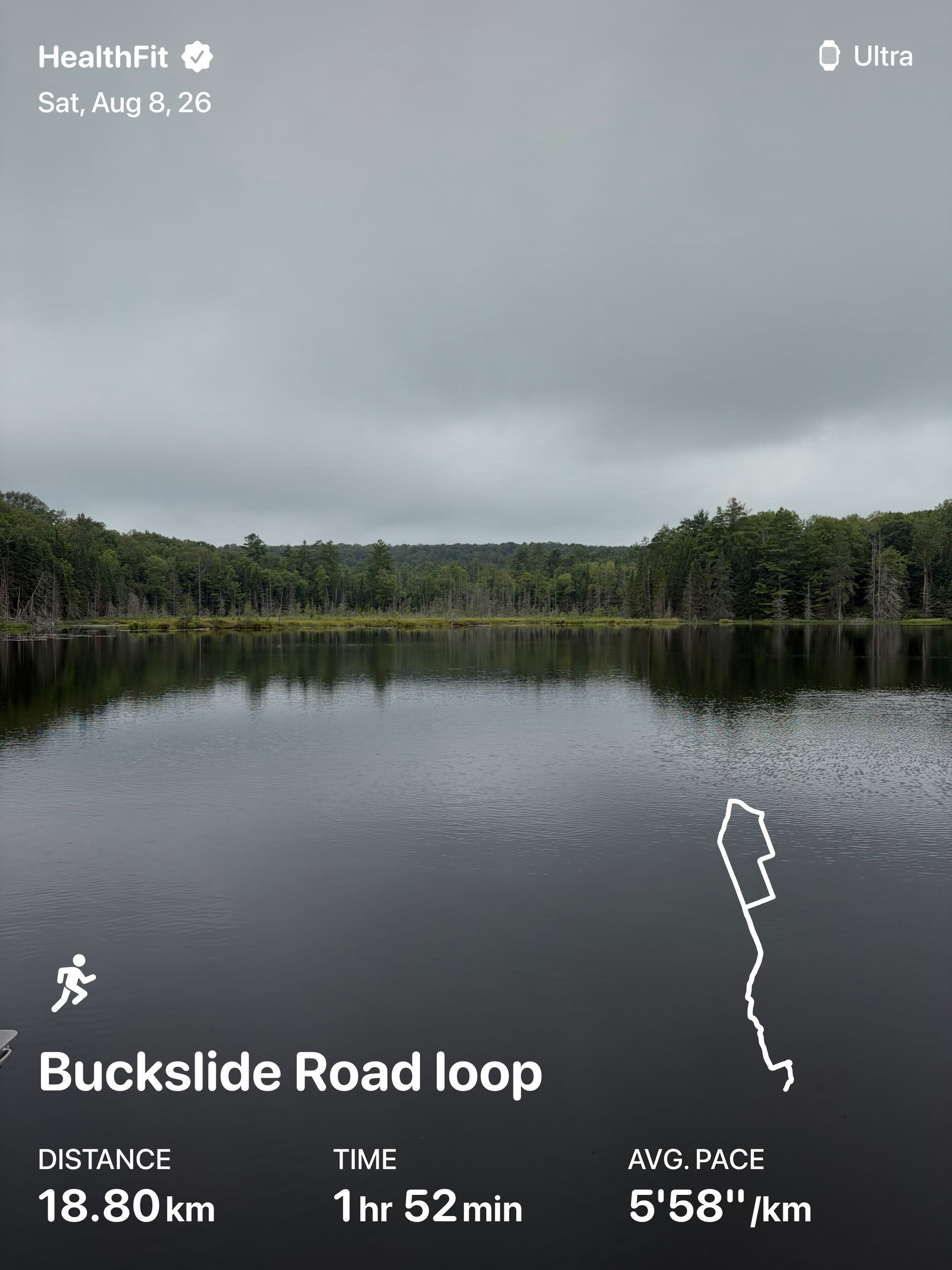
Turned into a nice day
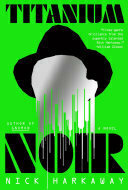
Finished reading: Titanium Noir by Nick Harkaway is a fun noir detective mystery📚