This kind of risk – very high stakes and very low visibility of probabilities – is extremely difficult to manage and consequently extremely unattractive to private-sector investors and developers. It creates a tendency to attempt to “bulletproof” infrastructure projects. Rather than an expected net present value approach, the costing of large infrastructure projects is a process of casting the net wide to define a “risk surface” covering all possible issues which might present a probability above some threshold value of derailing the project, then spending as much as needed to mitigate those risks below the threshold value. And since almost any possible objection or issue could (with unknown and unknowable probability) be the reason for an entire project to fail, almost no potential issue is ignorable, and any expense spent on mitigating the risks is likely to look like value for money.
A key point is summarized by the phrase “the cost factory is owned by the benefit factory”. An entire industry is deeply embedded in these projects to propose, evaluate, and document potential issues, all with an incentive to put significant effort into the task.
At no stage in this process are any of the major actors likely to feel that they have a genuine choice as to what to do. Lawyers cannot ignore new precedents; they need to inform their clients and potential clients. The planning authorities are institutionally averse to losing judicial reviews, and so they consider all the objections placed before them. Objectors to planning, in an adversarial system, are unlikely to leave any potential weapons on the ground. Developers need to maximise the chances of carrying through a viable infrastructure project. The professional and scientific services firms are literally doing their job. So, the risk surface expands. Apart from the objectors, everyone involved is trying to help, but the final, systemic and predictable consequence of their actions is the gradual sclerosis of the system.
The article goes on to contrast this approach with the more statist one used in many other countries and incorporates this into some lessons and potential mitigations that would fit into the anglosphere model.
These days, I’m mostly interested in the new WatchOS features, rather than anything else. The addition of Apple Notes on the watch is significant for me. One less reason to carry my phone around.
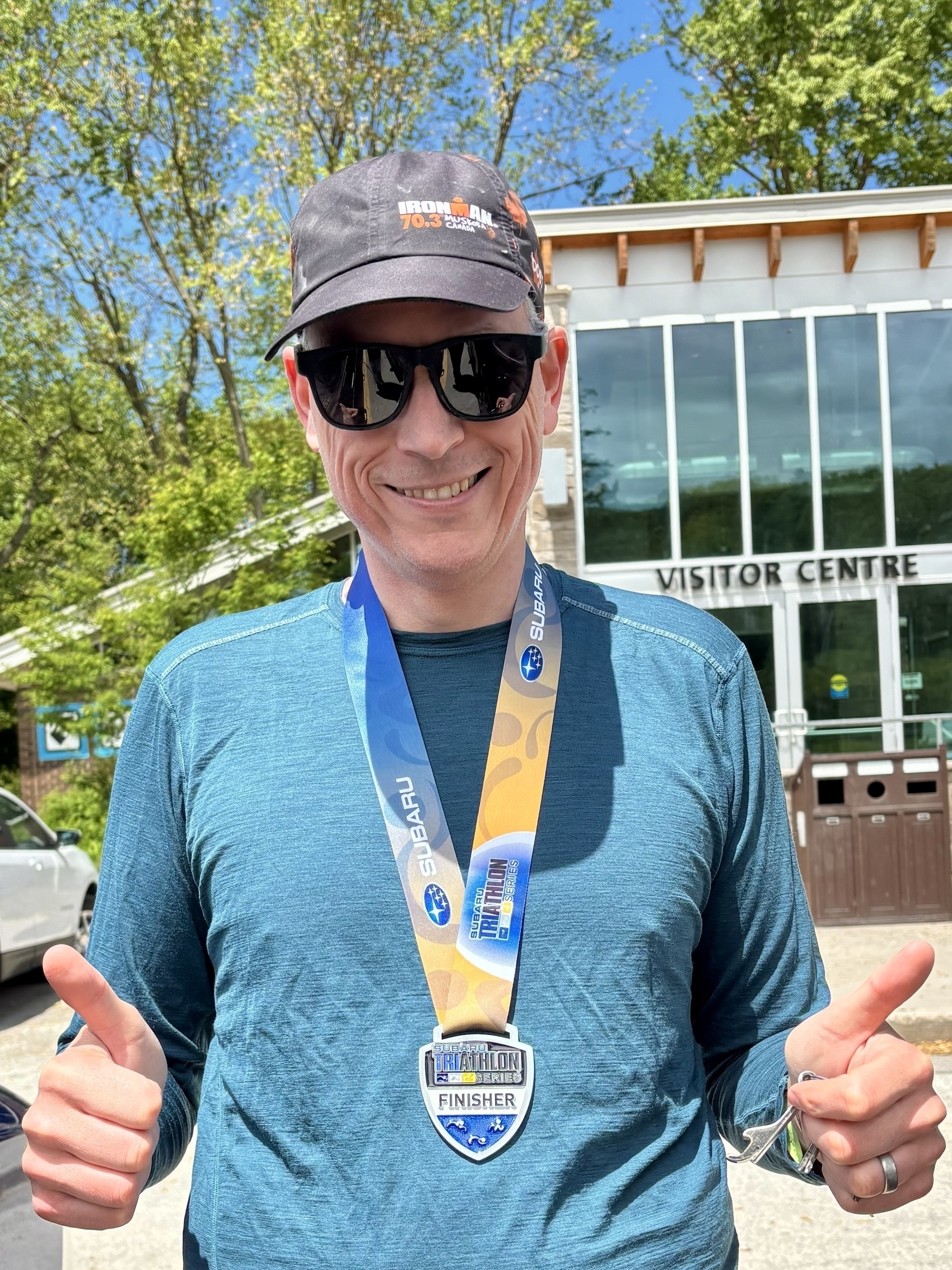
Part of the appeal of triathlons for me is that you need to stay adaptive and resilient, always adjusting to race conditions and feedback from your body.
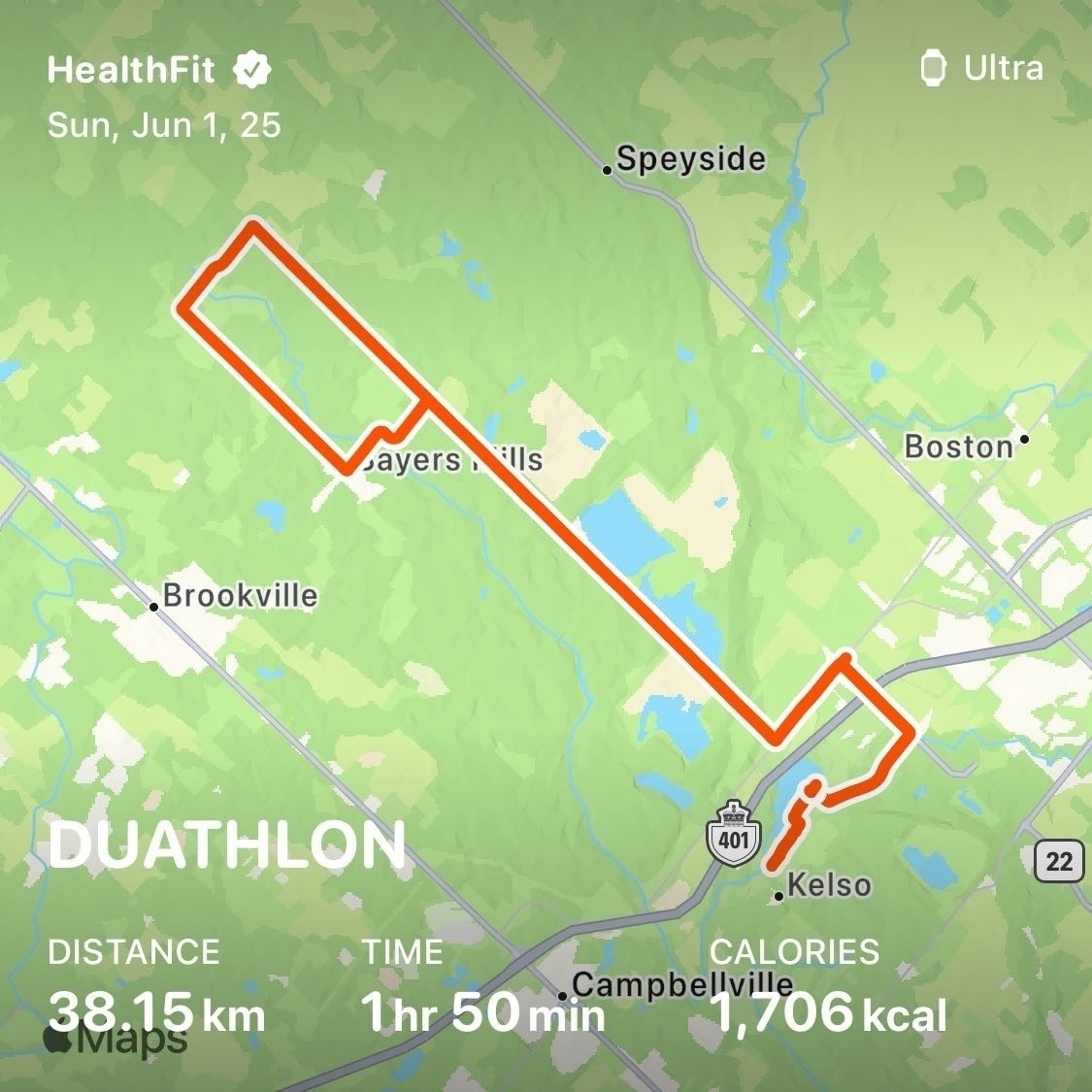
Today was a good example. Cold weather and intense winds led to the swim being cancelled. So, the triathlon became a duathlon. Although I missed the swim, it was the right call. Still, it takes a moment to recalibrate to starting with a run, adjusting your transition strategy, and sorting out a pace target.
The winds made the ride rather harrowing, lots of gusts, plus a headwind for the big escarpment climb 🥵. Then on a steep descent, we got buffeted around while peaking at 70 km/hr. After one particularly strong gust, a rider behind me shouted out some profanity that was totally warranted.
At least the second run was mostly well sheltered and I could push the pace a bit.
Overall, still lots of fun though. This is my fourth time racing this event and they’ve all been well done.
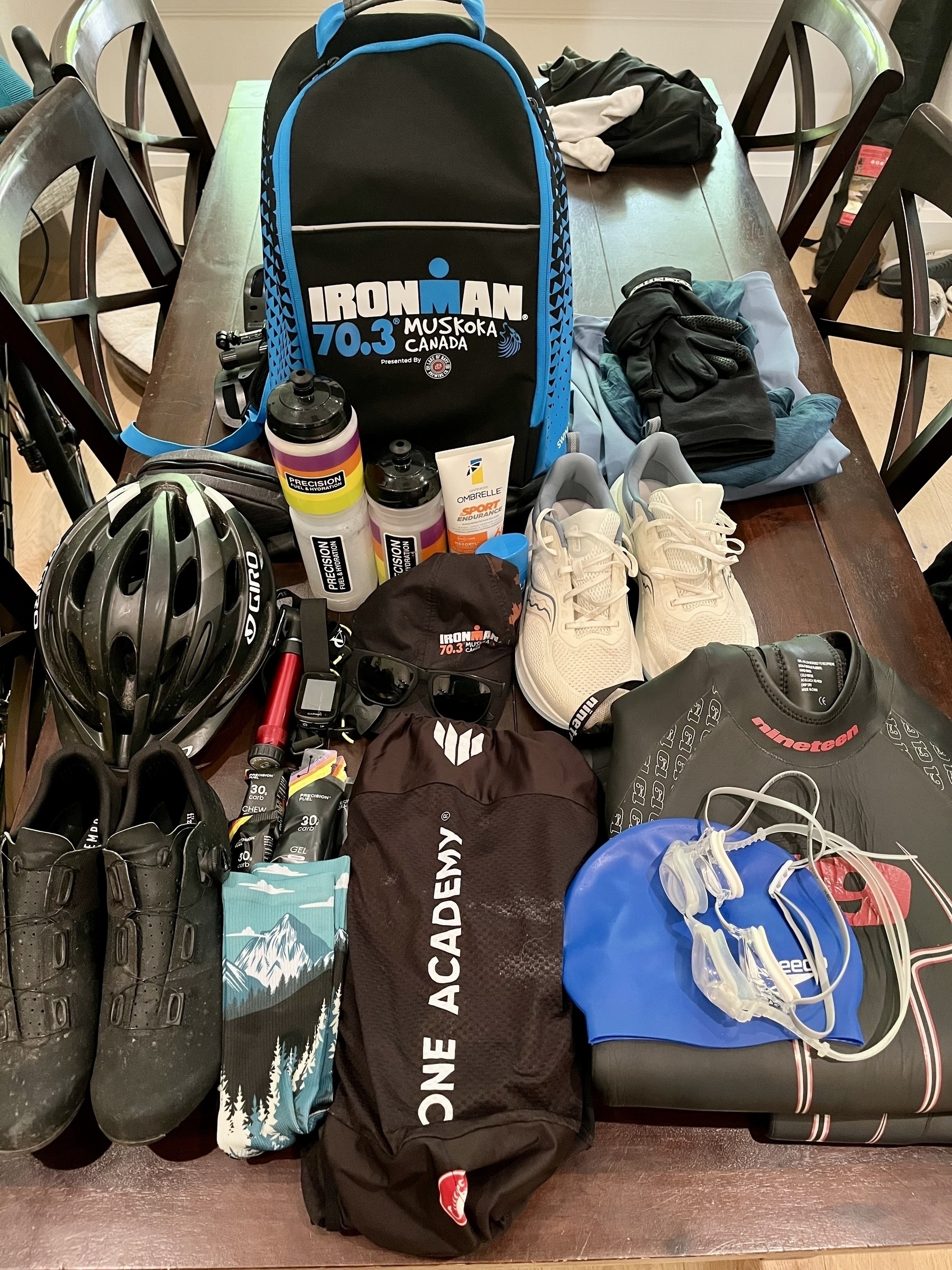
🏊♂️🚴🏃♂️ First race of the season tomorrow!
I actually enjoy this part — the setup. Laying out all the gear, checking the list, thinking through the transitions. There’s a quiet focus to it. A bit of nervous energy, sure, but also a sense of calm from knowing I’ve put in the work.
Getting everything ready is more than just packing — it’s part of the ritual. It helps me visualize the day ahead and ease into race mode. Time to trust the training and enjoy the race.
🎧 I’ve made a few updates to my default apps. I’m now using Overcast for podcasts (again) and Albums for music.
Both replace Apple’s default apps, which prioritize new content over easy access to media I’ve already selected—presumably what I actually want to listen to.
The recent rewrite of Overcast’s Apple Watch app was the tipping point for the podcast switch. Most of my podcast listening happens on the Watch, and the new app is a big improvement.