🍕 Cooking pizza while it snows

🍕 Cooking pizza while it snows

Finished reading: Medieval Horizons by Ian Mortimer makes a good case that the Middle Ages were a dynamic period that made many contributions to our modern world 📚
🐶 Bacon please

🏃♂️ Although the novelty will wear off quickly, fun to have a proper winter run

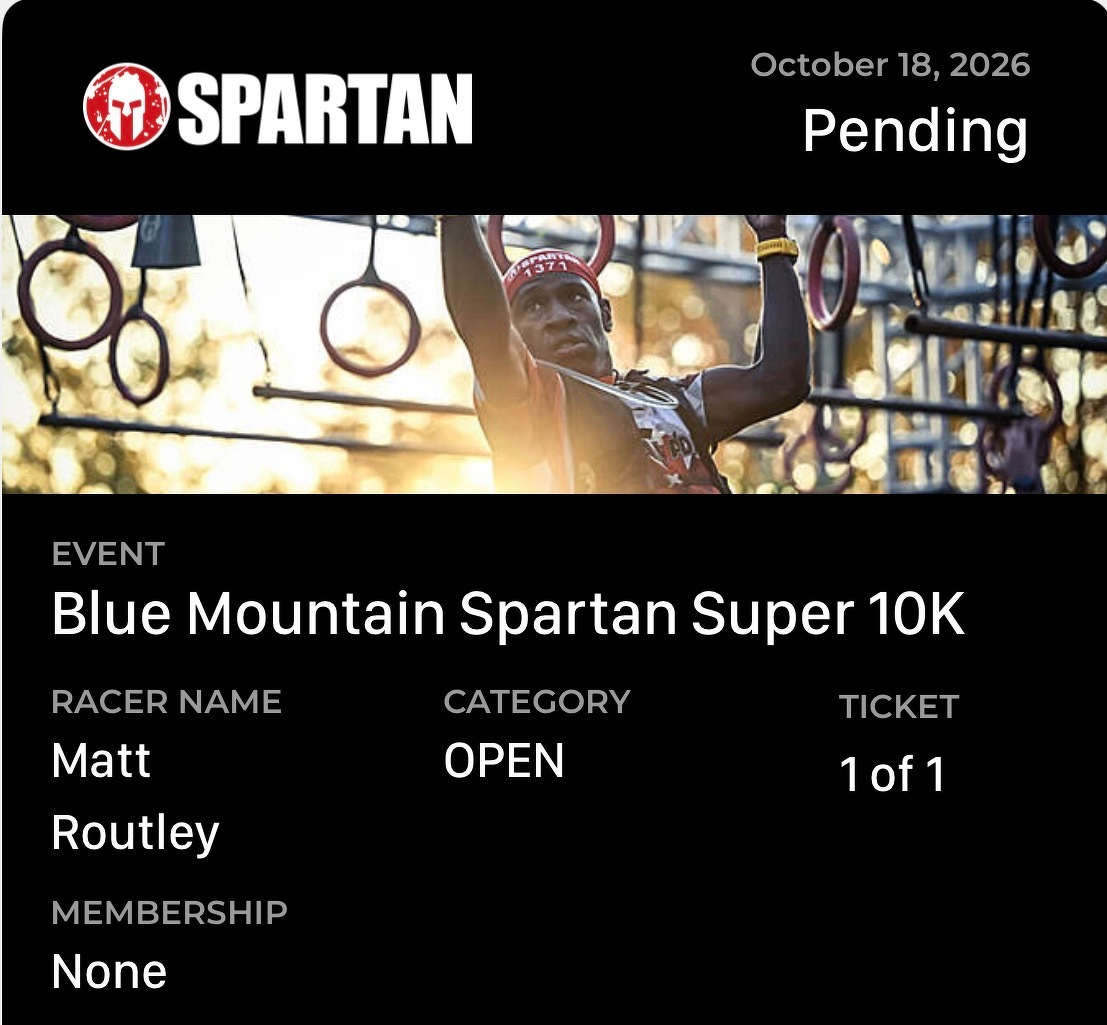
Been a while since I did a Spartan race. I’ve got some training to do
💰 We’re integrating the Q3 forecast for an infrastructure project. A clear sign of inadequate forecasting is missing seasonality. We expect 10–20% reduction through December, given holidays. So, when we get a forecast showing flat or increasing costs in the month, a closer look is required.

Finished reading: Wayward by Blake Crouch does what a second book in a trilogy needs to do. I’ll reserve judgement until I’ve read the third book to see if it pays off. 📚
Uh oh
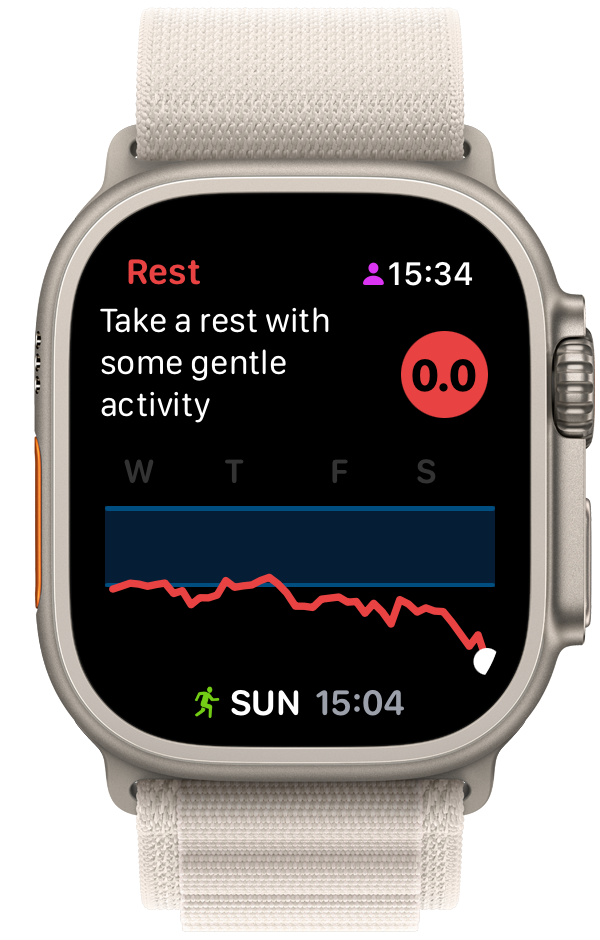
🏃♂️ I’ve been using the new Workout Buddy on my recent runs, including letting it select my music. Every kilometre, I receive updates on my pace and heart rate, along with contextual information like recent elevation gains or total distance. While I can easily see most of this on my watch, the regular updates are helpful, especially now that I’m wearing long sleeves and gloves.
The Workout Buddy’s voice is quite natural, encouraging without being annoying.
The music choices were all good, well-aligned with my tastes and suitable for running.
Overall, this is promising, except for the hallucinations. My watch kept announcing songs that it definitely wasn’t playing. These were good songs, mind you, just not what I was actually hearing. Furthermore, there was a perplexing inability to read the watch display. For example, it cheerfully congratulated me on having run for 50 minutes when the watch actually showed 73. Then, it got increasingly inaccurate, repeatedly congratulating me for a 50-minute run over the next 15 minutes.
There’s potential here, but it needs to be more accurate. I’ll continue letting it pick music, but I’ll keep a skeptical ear out for its announcements.

Finished reading: Frustrating that 1984 by George Orwell is still so relevant 📚
🏃♂️ Just as I’m thinking through my next training plan, Göran Winblad offers wise advice about increasing running mileage.
Deep Books in a Trenchcoat is another fun book club episode on The Incomparable. Added a few more books to my want to read list.
🍁 This year’s winners for best fall colours on the street


Watched: Although the first few seasons were good fun, Season 5 of Only Murders in the Building is mostly silly 🍿
There’s a new interesting Day One Labs feature: Daily Chat. This is an LLM that you chat with throughout the day. Usually it starts with a question about your intentions for the day and then asks follow ups that expand on your responses. Then at the end of the day, Day One converts the chat into a fully narrative journal entry (as in, it doesn’t just paste in the chat).
After using the feature for a few days, I can see the appeal. The entries generated are far more detailed than I would typically write and are quite reasonable summaries of the chat. The responses from the LLM are also usually on target, eliciting more details, but also move on to new topics without getting too repetitive.
At first, I found I had to write a lot of “as you know” type responses, since the LLM didn’t know anything about me, my interests, or family. So, things like “as you know, I have a dog named George”, so that it knew George wasn’t one of my children. This seemed to improve over days, so presumably the previous entries are getting included in the processing. There’s also a short biography you can write to guide the LLM.
Despite being impressed with the feature overall, I don’t think I’ll use it. The main reason is that I prefer to create entries throughout the day, as they happen, rather than having one summary entry per day. Also, I can’t quite get over that the LLM is writing the entries as if they are from me. I know that I provided much of the content. But, I prefer that my journal be where I write things down, not something else on my behalf.
I’ve found the “Go Deeper Prompts” more compelling. These are LLM generated prompts that are based on what you’ve written so far that trigger further writing. I find these are helpful nudges and I’m still the one doing the actual writing.
I’m glad DayOne continues to experiment, even if I don’t end up using all of the features.
🏃♂️ First snowy run of the season. I’d only just started wearing long pants last weekend!


Finished reading: Greener Than Thou by Mark Leiren-Young is a scathing, and funny, look at the Canadian Green Party. I’ve voted for them in some previous elections, but doubt that will happen again📚
Strange times. For the first time since 1997, we do not have a Mac in the house. Yesterday, I pulled our 2019 iMac out of storage in the basement for some routine maintenance. After waiting 10 minutes for it to boot up and another 10 minutes just to open a few apps (watching those Dock icons bounce up and down), I decided there really wasn’t a point in keeping the computer. We have a good half dozen iPads and many iPhones that get daily use. So we have plenty of computing resources and no plans to abandon Apple products. That said, it is still strange to not have a “real computer” in the house (ignoring our work-issued Windows laptops).

Watched: A House of Dynamite is terrifying 😳🍿

Finished reading: Although less cozy than previous books in the series, The Potency of Ungovernable Impulses by Malka Older was still entertaining 📚