I’m intrigued by the Oura Ring and the idea of more passive activity and recovery tracking.
Realistically though, would I actually be able to stop wearing an Apple Watch? I use the watch to reduce my temptation to use my iPhone, since that’s a strong source of distraction. If I had a ring instead, wouldn’t I just go back to carrying my phone around? With the watch I can still get useful notifications, as well as listen to podcasts and music. A ring can’t do that (yet).
I think this is a false attraction. Until I can more honestly say that I can get by without the Apple Watch features, the ring would only be an additional gadget. I’d end up wearing both of them, most of the time. The only exception might be while sleeping or on a cottage vacation. Those don’t really seem like enough to justify the cost of a ring, plus subscription.
And, having now watched a video from The Quantified Scientist, I see that the heart rate tracking by the Oura Ring during exercise is quite poor. So, that really reduces the attractiveness of the ring.
I think that the watch is simultaneously versatile enough and subtle enough to optimize the trade off between features and distractions.
Finished reading: The Book of the New Sun: Volume 1 by Gene Wolfe is a great mix of fantasy and sci-fi. I enjoyed it and will carry on with the rest of the series 📚
I used to work on a fun project to simulate elections in Toronto called PsephoAnalytics. But, we got busy with other things and haven’t posted since June of 2020. Realizing we’re not going to resurrect the project, we let the domain name expire and I’ve archived the content to a blog category.
Last night my phone noticed the next day was a holiday and sent a notification asking if I wanted to change my alarm. I did! So tapped the notification to open sleep schedule settings, made a quick change, and slept in this morning. This is the kind of “AI” I want: proactive, specific, and useful.
Finished reading: After hearing a recommendation for the Fifth Business by Robertson Davies on The Paul Wells Show, I decided to reread it after about thirty years since the last time. Such a great story. I’m glad I revisited it 📚
If we properly re-characterized our military procurement system as the federal money-distribution, political-delaying, and accountability-avoidance system, we’d all be raving about what a success we have on our hands here. Because it’s great at all of those things. That is what the politicians and the bureaucrats want it to be. They might not admit it, but that is exactly the way they have designed the system, and they are getting exactly what they pay for.
Advice for big, daunting projects: do something right away. When a major project lands in your lap, perhaps with a deadline weeks or months away, make it your business to take some kind of concrete action on it as soon as you can, even if you won’t get to the majority of the work until later.
I’ve found this works really well. For me, this typically means writing a short, clear sentence about the objective of the project. Too often we launch into busy work before confirming what we’re actually trying to achieve.
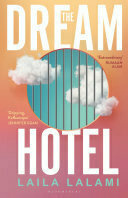
Finished reading: The Dream Hotel by Laila Lalami is a dystopian view of where we’re headed with data-driven algorithms. I enjoyed the story, despite the scary implications 📚
An interesting series of articles in Quanta Magazine on climate science: How We Came To Know Earth. Such an important field of research and remarkable how much has been learned, though still lots of uncertainty.
Amazing that Quirks and Quarks has been going for 50 years! I’ve been listening for close to 40 years, starting with a small transistor radio when I was a kid and then was my first podcast subscription (before that was even a real thing).
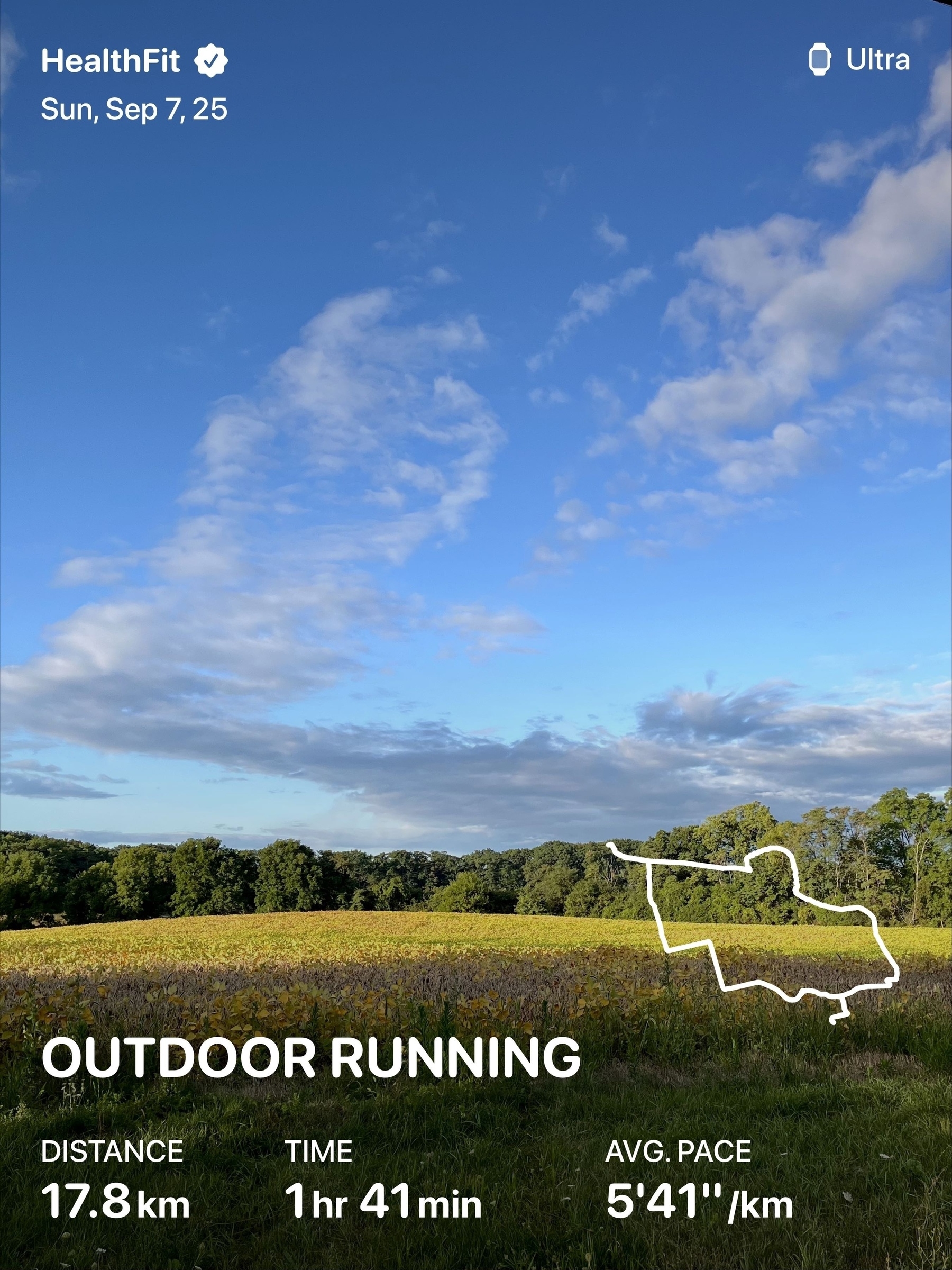
🏃♂️ I’ve done this route dozens of times, but always counter clockwise. This was the first time clockwise and it is interesting how different the route seems when going in the opposite direction.
Finished reading: I’ll confess that I skipped through parts of Foreign Bodies by Simon Schama. I appreciated the message of the book that vaccination has always been controversial and only diligent science with careful public health communication have been persuasive. I just found the details of the book too overwhelming: so many names, dates, and locations to keep track of, which I wasn’t up for 📚
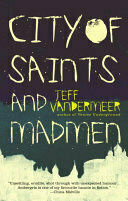
Finished reading: City of Saints and Madmen by Jeff VanderMeer is an imaginative, richly detailed, and difficult book to read. I appreciated the world building and overall strangeness, but the lack of plot and central characters made for a challenging read 📚
Do you go with One Notebook to Rule Them All? Everything goes in there? Or do you have lots of different notebooks, each dedicated to very specific purposes?
Although I’m currently a lumper, I’ve been thinking of splitting out a daily journal notebook from my usual Field Notes that currently holds everything. The page size of the Field Notes can be a constraining with longer entries.
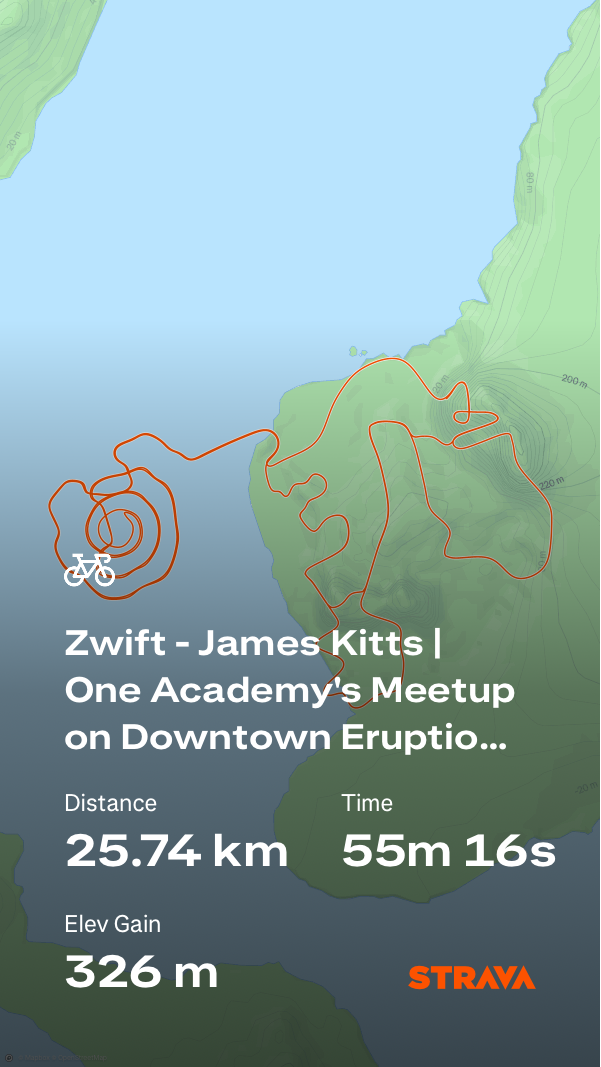
The Strava integration with DayOne is pretty good. I usually manually add content on my activities into DayOne and this certainly helps simplify that.
The integration pulls in your title, notes, and any media, along with a map of the activity. I like that it also integrates with the iOS Journaling Suggestions.
The stats view is rather plain, but I appreciate that given the diversity of potential metrics, this is difficult to display in any other way, certainly for an experimental DayOne Labs feature.