Super exciting that Perseverance landed safely on Mars. We need more of this kind of good news and human achievement.
Super exciting that Perseverance landed safely on Mars. We need more of this kind of good news and human achievement.

Seven and a Half Lessons about the Brain by Lisa Feldman Barrett is a charming, short book about how our brains work and our misconceptions about them 📚
Currently reading: Seven and a Half Lessons about the Brain by Lisa Feldman Barrett 📚
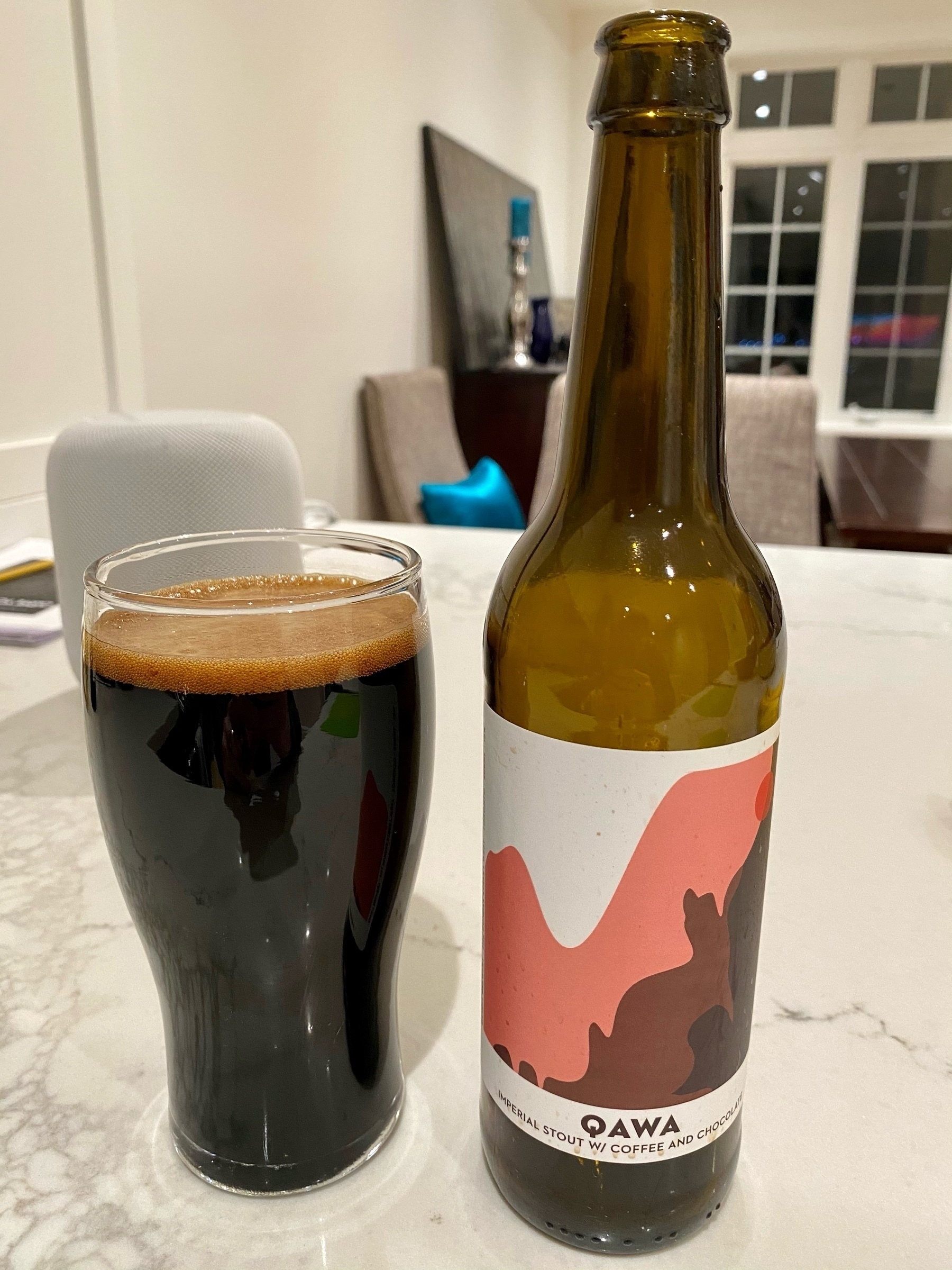
Qawa imperial stout with coffee and chocolate from Bandit Brewery. A good beer for a frozen night

If you’re interested in how algorithms are affecting us, Hello world by Hannah Fry is a great read. Rather than explain how algorithms work, Fry describes their opportunities and risks in different parts of society, such as health, justice, and art 📚
A fascinating, weird, and unsettling conversation about the differences between the right and left hemispheres of the brain on the Making Sense podcast
A great, long article on the use and development of COVID models. Plenty of lessons for modelling in general, especially when human behaviour is involved, which is relevant for transit planning

Gideon the Ninth by Tamsyn Muir is a very imaginative and entertaining mix of sci-fi and horror 📚
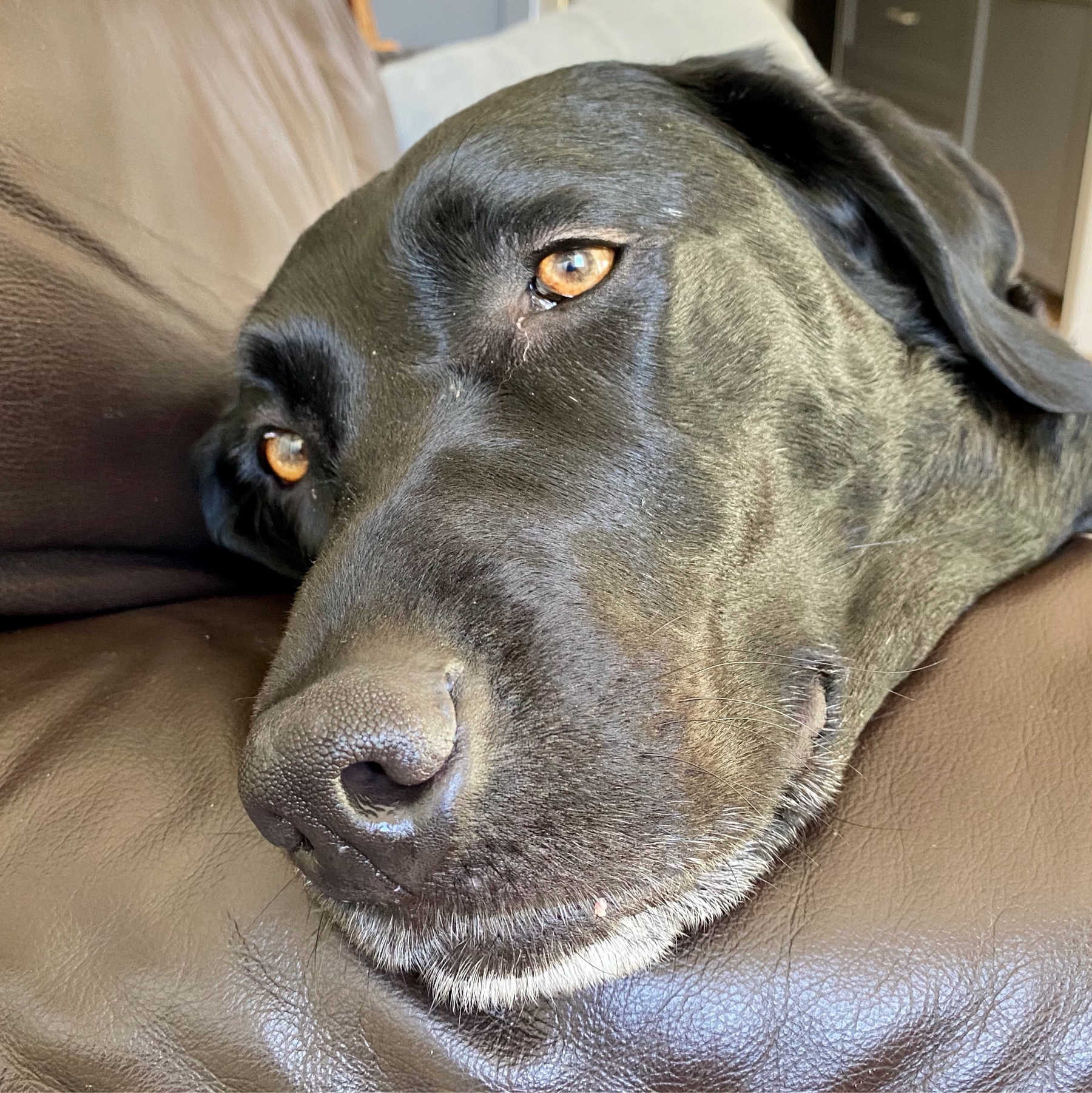
Lucy wants to know when it will warm up from -15°C 🥶
Star Trek: Picard is a flawed show that did a great thing — it gave TNG a proper ending
I agree with Matt Gurney’s take:
So Picard, really, is something I’d be judging on two entirely different levels: as a part of an existing Star Trek legacy, but also as a new addition to it. It’s a new show, and must be judged on its own merits, but it’s also a direct continuation of TNG, and must be judged on that basis, as well.
Despite some fair criticism, I enjoyed Tenet. Had to watch it twice to make sense of it though.

Blueprint by Nicholas Christakis is an interesting book about universal feature of our societies (the social suite) and how they are based on genetics, emergent properties, and complex network effects. The book has lots of interesting examples and makes clear connections between human societies and attributes of other animals.📚
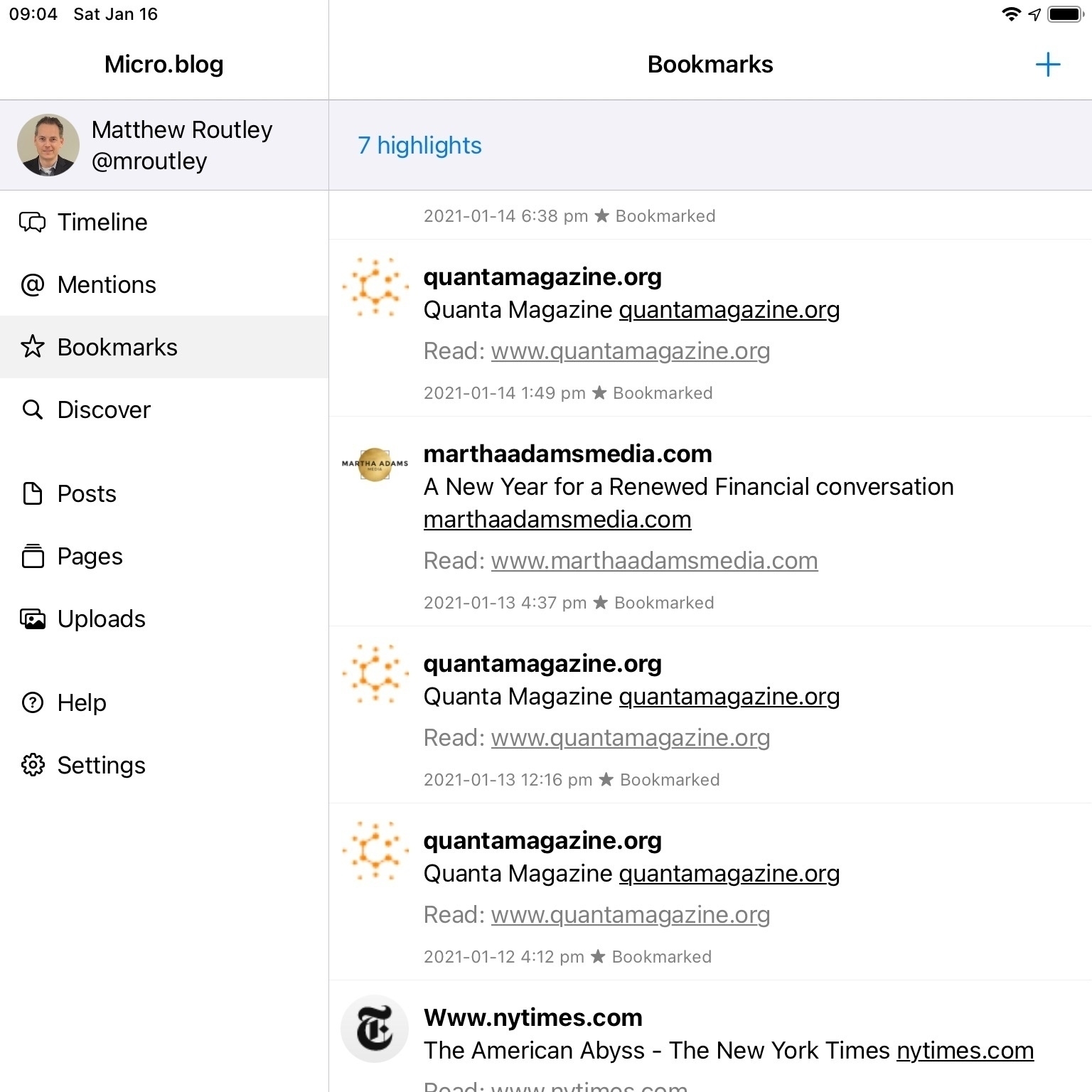
Perhaps nothing @help can do about this, but figured worth asking. Bookmarks aren’t extracting article titles for Quanta Magazine
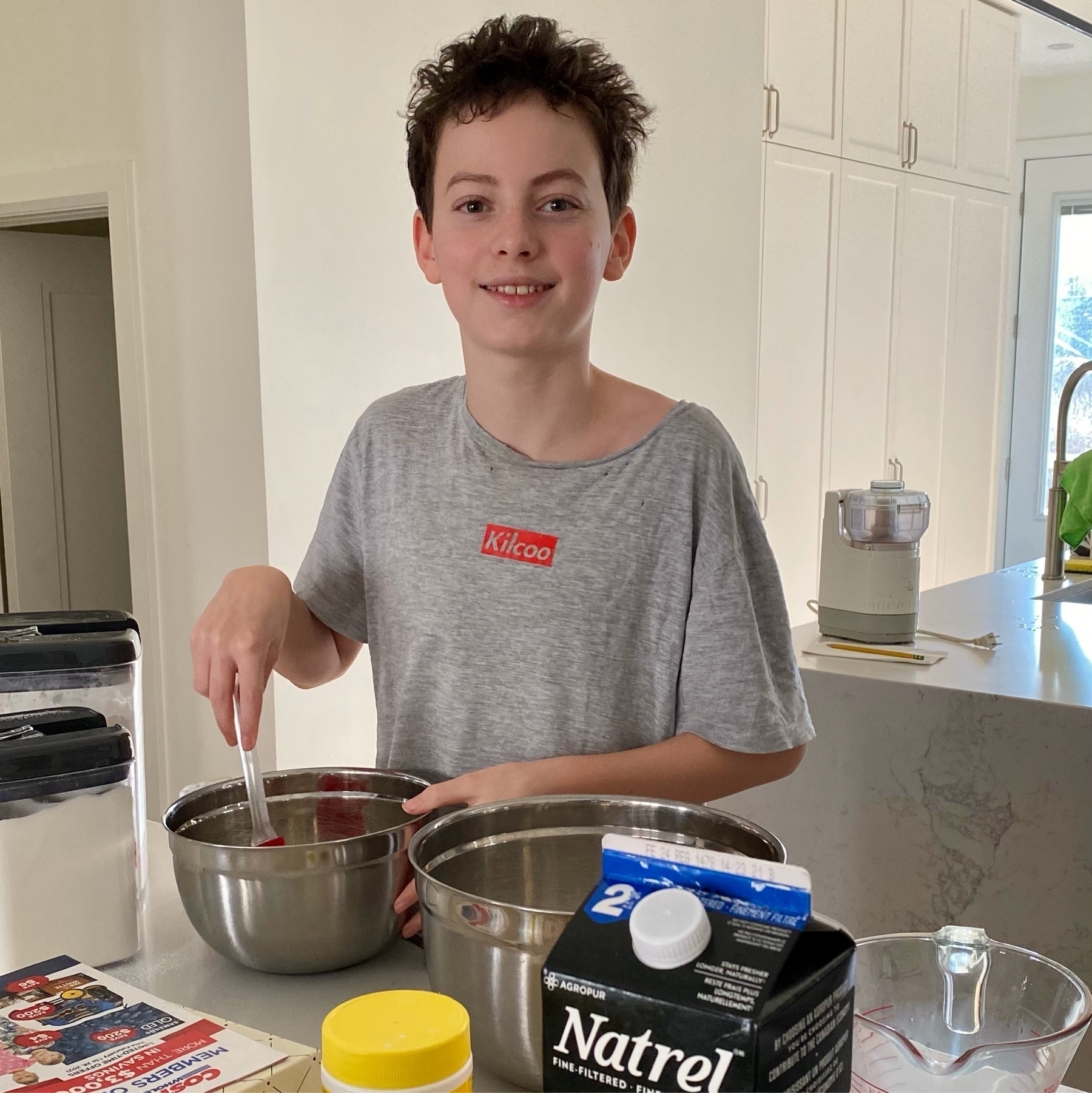
Making waffles
🥶🏃♂️
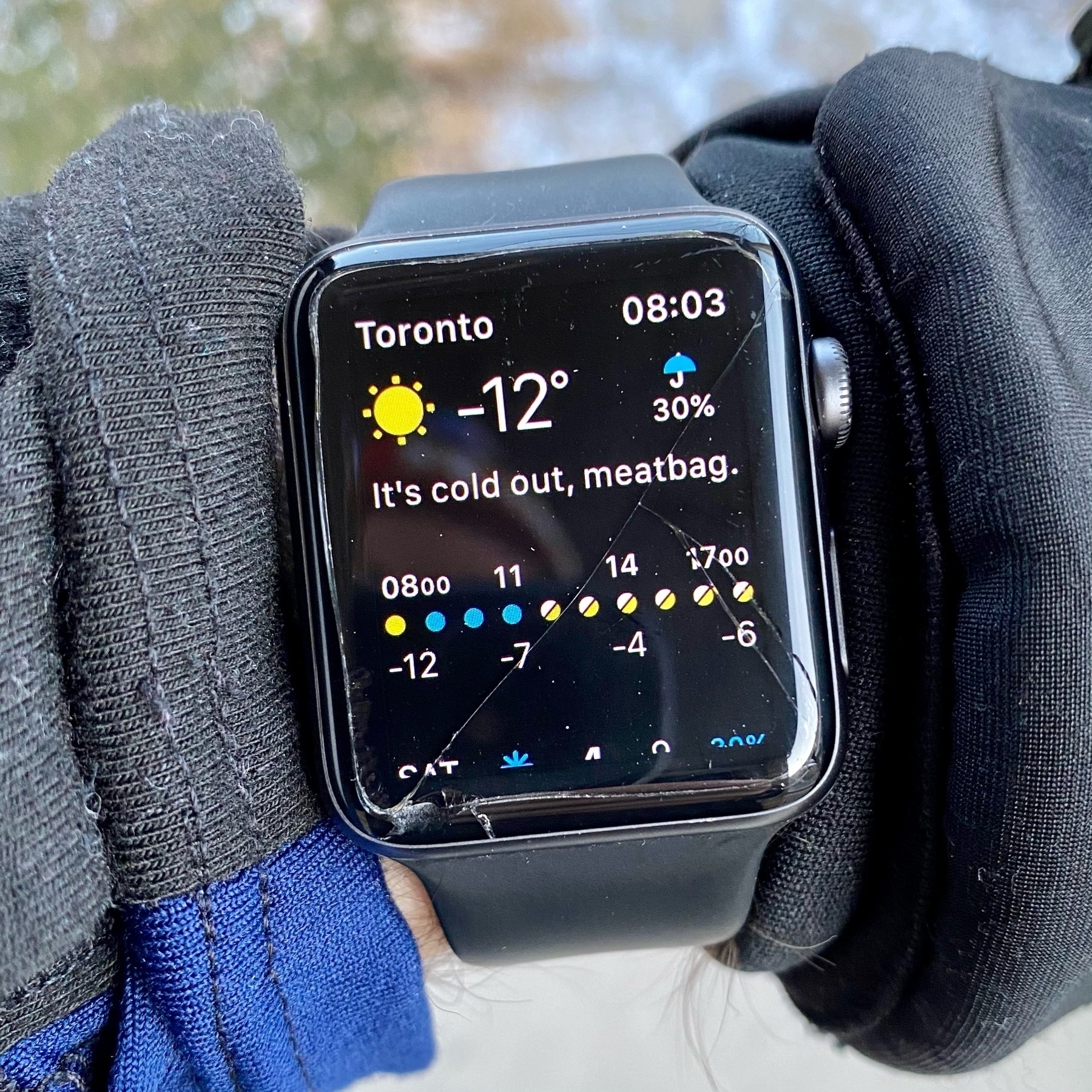
An interesting experiment: a favourite David’s Tea infused into a favourite Beau’s beer. I like it!
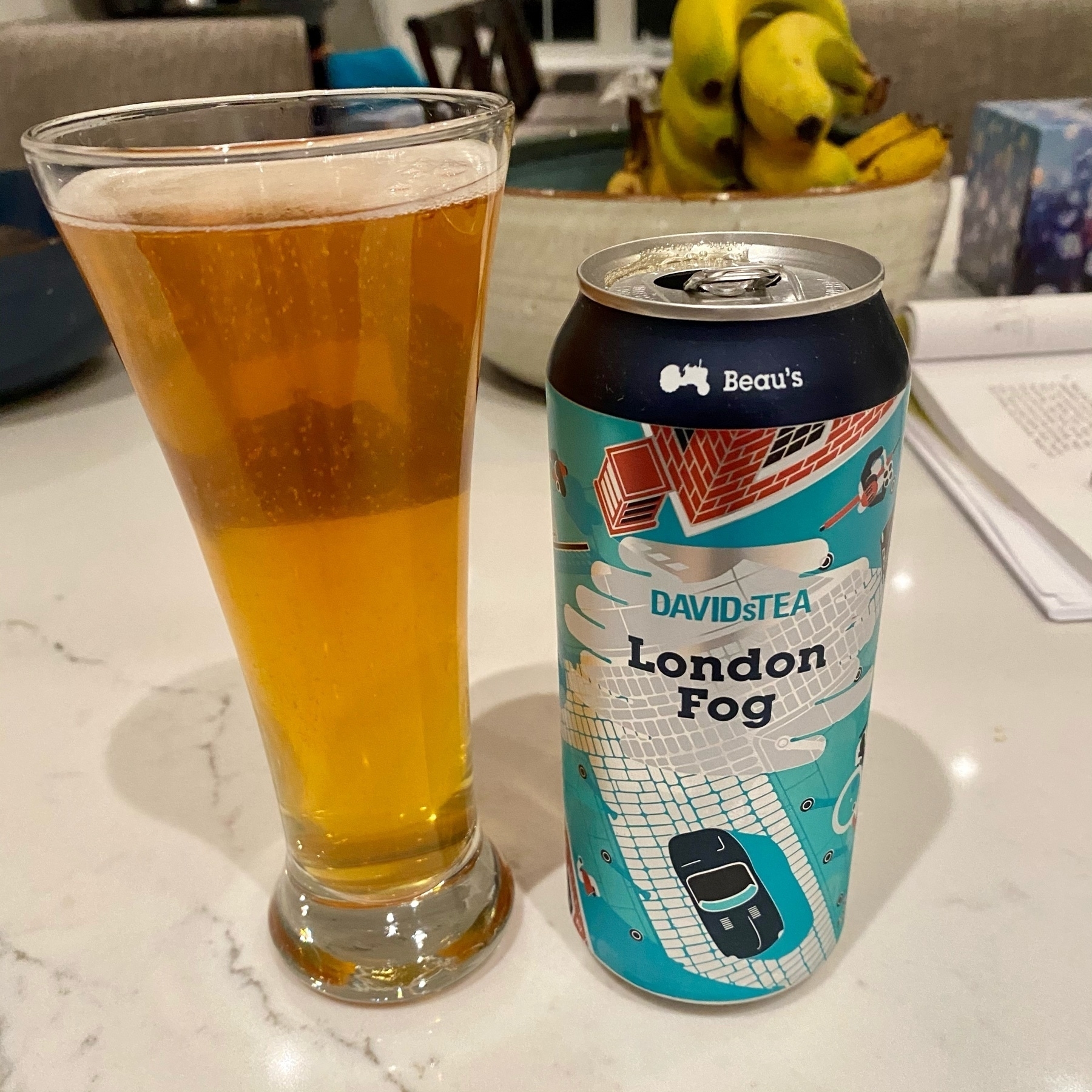
Trying a new coffee. A nice change from my usual dark roast.
The addition of table support to Agenda is very welcome.
Currently reading: Gideon the Ninth by Tamsyn Muir 📚
Delightful when text aligns across lines, yet also frustrating when the alignment is so slightly off

Season 3 of Star Trek: Discovery was entertaining. Despite some awkward plots that were perhaps necessary to get to the right ending, they really did well with character moments. My only disappointment was the diminishment of Saru in the last few episodes. The sudden conflict he felt about choosing between Kaminar and the Federation seemed really out of character to me. Despite that, I like where they ended and look forward to S4 🖖
I absolutely agree that Facebook has been a major contributor to the mayhem we see in politics these days. I also have significant concerns with how they harvest and use data. All that said, I was able to quickly solve a problem by posting a question to my neighbourhood’s Facebook group. While I have great hopes for the IndieWeb, it is really hard to compete with that kind of reach and ease of use.
A nice tribute to Neil Peart in Rolling Stone Magazine 🥁
I appreciate Sam Harris’ call for competence and compassion in his most recent podcast episode
Having spent countless hours in grad school arguing about frequentist and Bayesian statistics, I appreciate Richard D. Morey’s take on the importance of p values:
The mistake many statistical commentators make is to interpret the p value as attempt at a quantification of evidence, or as a posterior probability. It is none of these things, nor is it meant to be. It should not even, really, be thought of as means to make an inference (although, it is in the most simplistic interpretation of the Neyman-Pearson paradigm). It is, instead, a means to critique a potential inference.
My experiment to avoid Twitter for a week has now grown to two weeks. I’m surprised by how much I don’t miss it. I thought that it was a good source of interesting news, tailored to my interests. So far though, I’m still finding good content to read with a renewed use of NetNewsWire and Apple News.
Currently reading: Blueprint by Nicholas A. Christakis 📚

Of the 30 books that I read this year, A Memory Called Empire by Arkady Martine was my favourite fiction book. And, What is Real by Adam Becker was my favourite non-fiction one. 📚
Lost in Yesterday by Tame Impala was my most played song released in 2020
And Phoebe Bridgers was my favourite artist
Thanks to Federico Vittici’s Apple Music Wrapped shortcut for analyzing my music library.
I enjoyed season 1 of The Man in the High Castle. A suitably realistic alternative history with an intriguing mystery of the strange films. I’ve heard seasons 3 and 4 are disappointing, so I’ll likely stop at the end of season 2 📺