My annual cottage vacation is imminent and a favourite part is reading books by the lake.
In past years, I’ve packed a pile of library books. But, I average more than ten books over the break. Adding in my family (though they’re less voracious readers) means we end up with a big box of books to fit in an already crowded car.
So, the past few years I’ve switched to reading library books on my iPad. Being able to “carry” so many books on the device, plus adding more if necessary, is great. The downsides, though, include difficulty reading through the glare of sunlight and the occasional shutdown from overheating. Plus, there are so many easy distractions on an iPad.
Thanks to a good discount and a review by Jason Snell of integrating with public libraries, I’ve bought a Kobo Libra 2. This is now my dedicated library book device (although it does have other features, like a bookstore, Pocket integration, and audiobooks). The e-ink really is remarkably easy to read outside, even in direct sunlight, and I like the physical page-turn buttons.
Although I always have a general preference for physical books, the convenience of an entire public library on a handheld device can’t be beat for vacation reading.
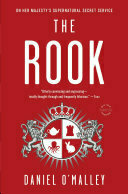
Finished reading: I really enjoyed The Rook by Daniel O’Malley. A fun mix of espionage and supernatural with a good sense of humour 📚
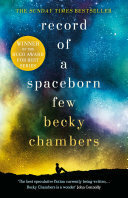
Finished reading: Although surprisingly little actually happens with the plot in Record of a Spaceborn Few by Becky Chambers, the characters and world building are great. Along with fascinating questions about what it means to be human and how to value tradition📚
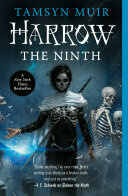
Finished reading: Harrow the Ninth (The Locked Tomb Trilogy Book 2) by Tamsyn Muir is really imaginative and well written. I found it rather confusing though. Lots of characters and plot points to track📚
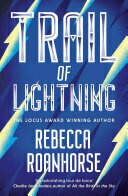
Finished reading: Trail of Lightning by Rebecca Roanhorse is a great story about a monster hunter on a Navajo reservation after a climate apocalypse📚
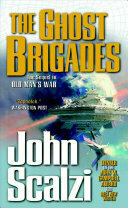
Finished reading: The Ghost Brigades by John Scalzi is a fun “soldiers in space” book with some interesting ethical concepts📚
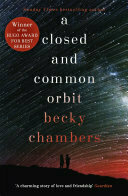
Finished reading: A Closed and Common Orbit by Becky Chambers is really good. A strong emotional core with an intriguing sci-fi structure📚
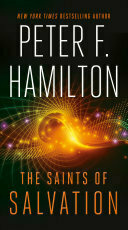
Finished reading: As with the first twobooks in the trilogy, The Saints of Salvation by Peter F. Hamilton is a fun sci-fi story about humans fighting back against powerful aliens. Definitely an easy read, though with some pretty imaginative twists and ideas about the future 📚
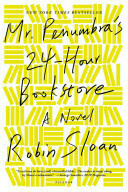
Finished reading: Mr. Penumbra’s 24-Hour Bookstore by Robin Sloan is an entertaining mix of computer nerds, ancient rituals, cryptography, and a love of printed books 📚
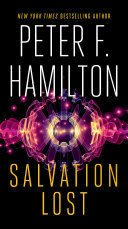
Finished reading: Salvation Lost by Peter F. Hamilton is fun. Part 2 of the Salvation trilogy and a great humans fighting back against powerful aliens story📚
Finished reading: The Alignment Problem by Brian Christian is a fascinating and very well written overview of the current state of AI research. I was particularly struck by how much of the challenge with safe AI is based on our poor understanding of our own intelligence 📚
Finished reading: The Stranger in the Lifeboat by Mitch Albom is a compelling, brief story about faith and redemption 📚
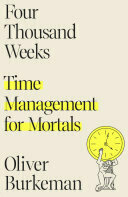
Finished reading: This seems to be the consensus, so I won’t belabour the point: Four Thousand Weeks by Oliver Burkeman is a powerful book. If you feel overwhelmed by busyness or slightly adrift, it is well worth a read. There are some tough messages in it, though, that require contemplation 📚
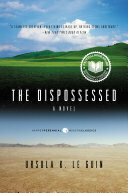
The Dispossessed by Ursula K. Le Guin is a really interesting story about two different worlds and a physicist that tries to bring them back together. As with most good science fiction, the story is about the people, rather than the science, but the sci-fi setting accentuates the morals of the story 📚
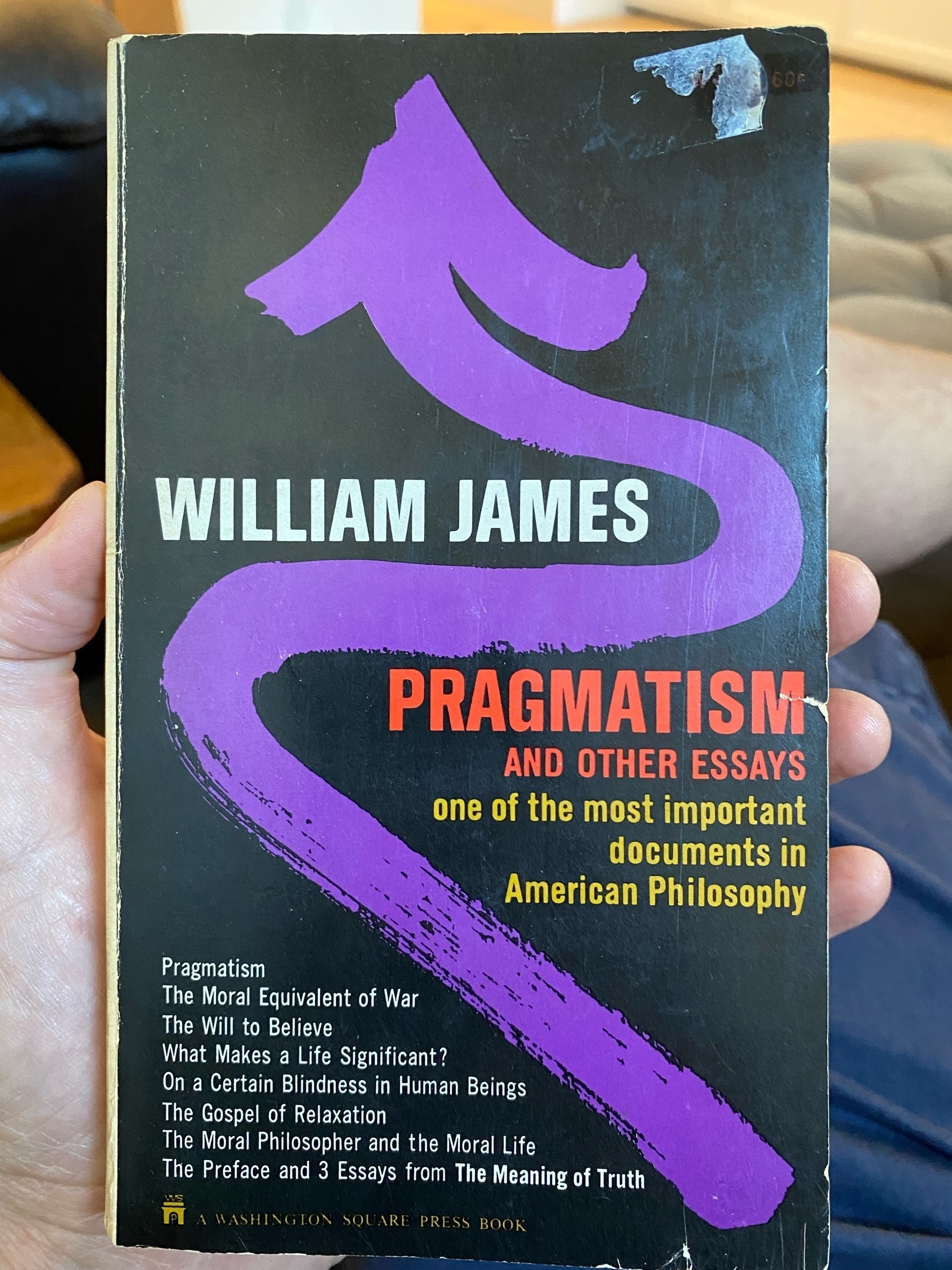
I offered this as a conciliatory olive-branch to my enemies. But they, as is only too common with such offerings, trampled the gift under foot and turned and rent the giver. I had counted too much on their good will.
Some things haven’t changed since 1909 📚
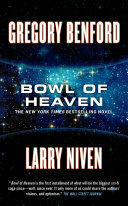
Bowl of Heaven by Gregory Benford and Larry Niven is quite expansive in scope and imagination. A fun, easy read with some big ideas 📚
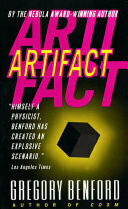
I picked up Artifact by Gregory Benford at my local used bookstore on a whim. I’m glad I did. It is a fun mix of archaeology, theoretical physics, and espionage 📚
Although A Desolation Called Peace by Arkady Martine isn’t as remarkable as A Memory Called Empire, I still really enjoyed it. Some of the enjoyment was momentum from the first book. I also liked the mystery of the aliens and the exploration of shared memories and awareness 📚
Fathoms by Rebecca Giggs is about so much more than whales. Beautifully written, Giggs uses whales to talk through society, culture, environmentalism, evolution, and history, along with lots of good natural history on whales📚
I really enjoyed Salvation by Peter F. Hamilton (book 1 of the Salvation Sequence trilogy). A fun blend of sci-fi, detective novel, and alien invasion with a cliffhanger ending📚
This book caught my eye at the local used bookstore: Pragmatism and Other Essays by William James 📚