
Watched: I enjoyed Star City as a sort of cold-war thriller to the For All Mankind series 📺
Watched: I enjoyed Star City as a sort of cold-war thriller to the For All Mankind series 📺
The addition of a watch app in the Finalist beta really elevates the app for me. Having access to essential calendar and task data from my wrist, while leaving the phone tucked away, is very helpful. Of course, I can get that via the default Apple apps. I prefer Finalist’s approach

Finished reading: Lake of Darkness by Adam Roberts has an intriguing premise – a voice emanating from a black hole – that didn’t quite pay off for me. The theology of the ending seemed too contrived 📚
🏃♂️ Found a nice trail while visiting Orillia
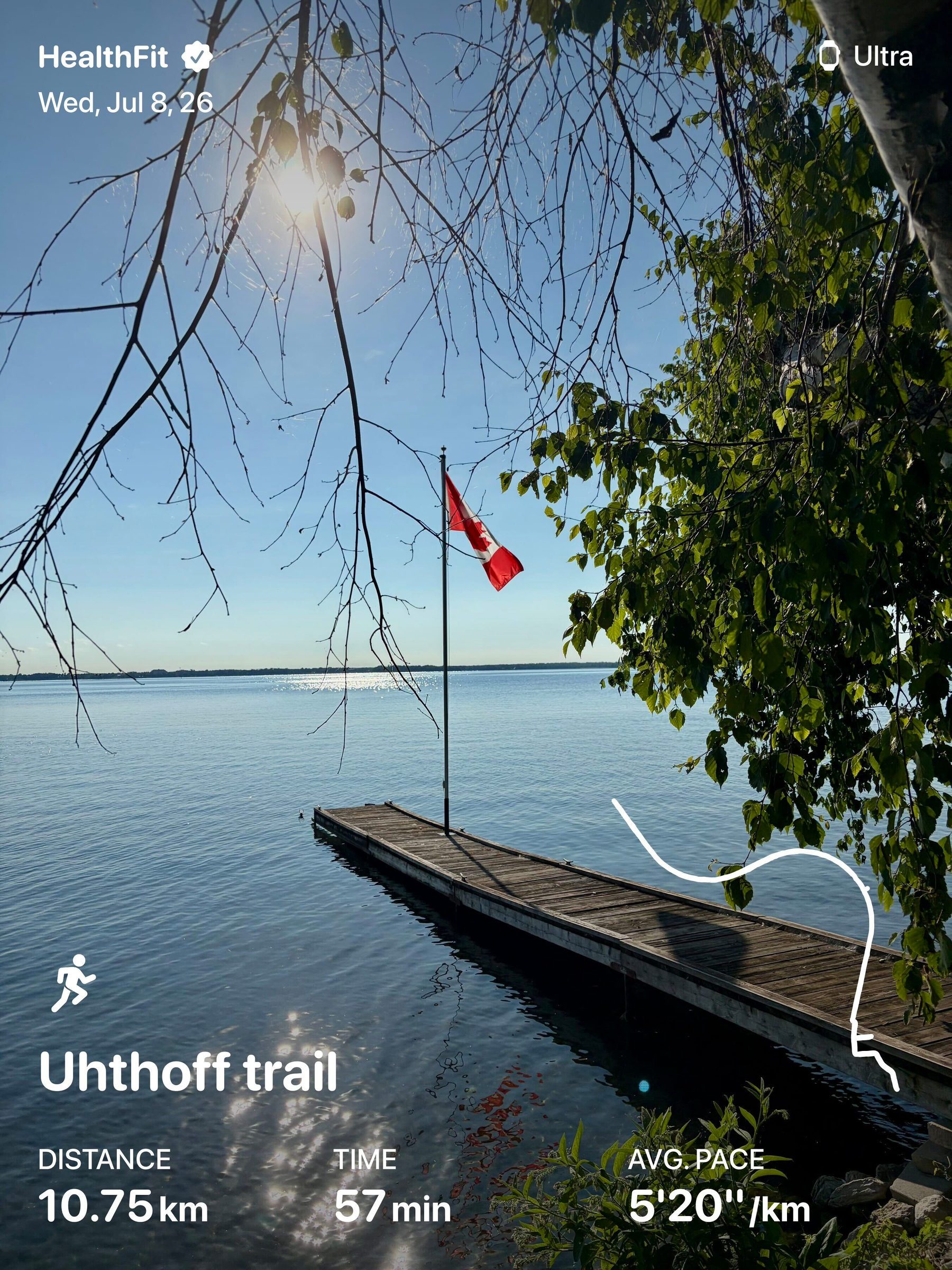
Spotted at a friend’s house
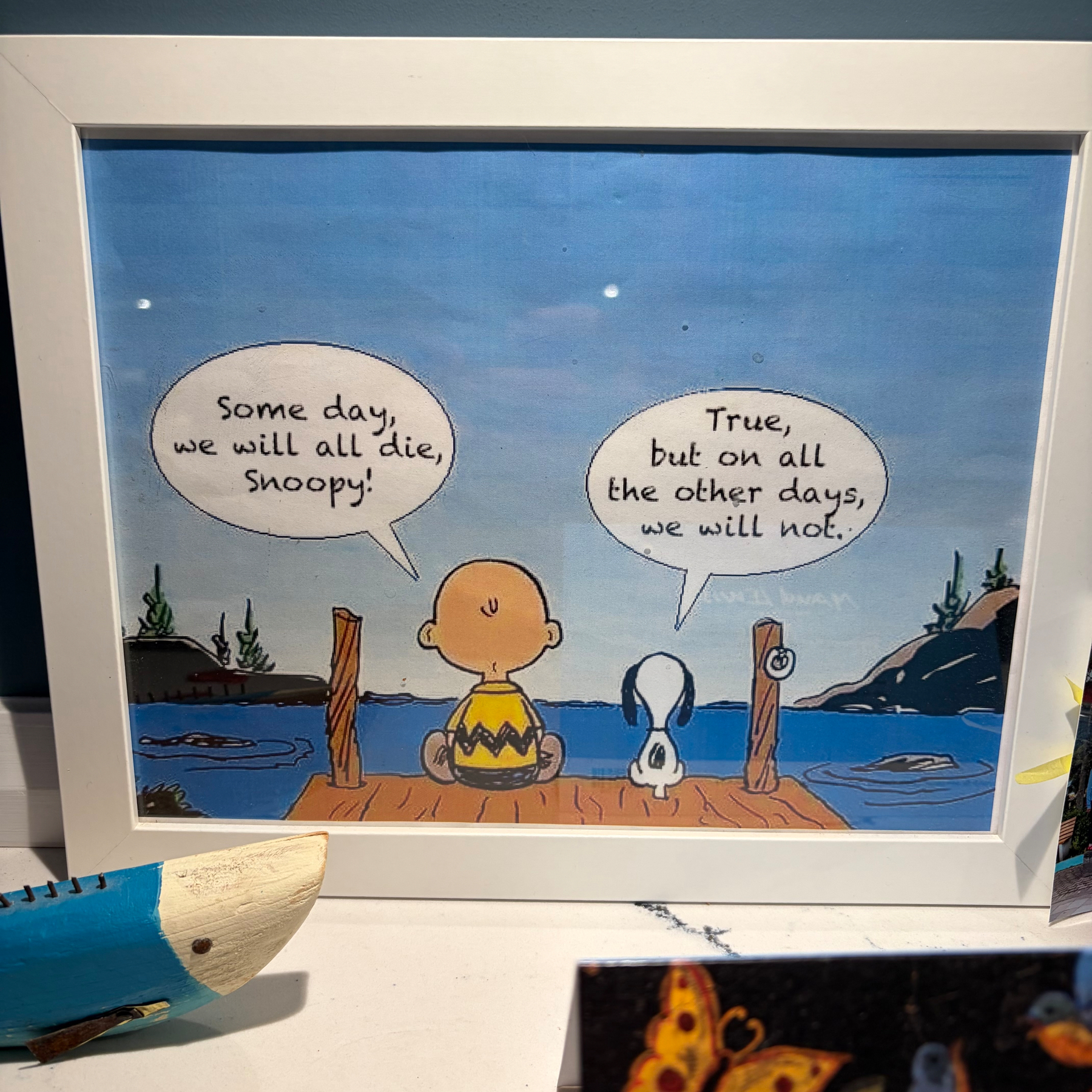
🏃♂️ Soggy run this morning
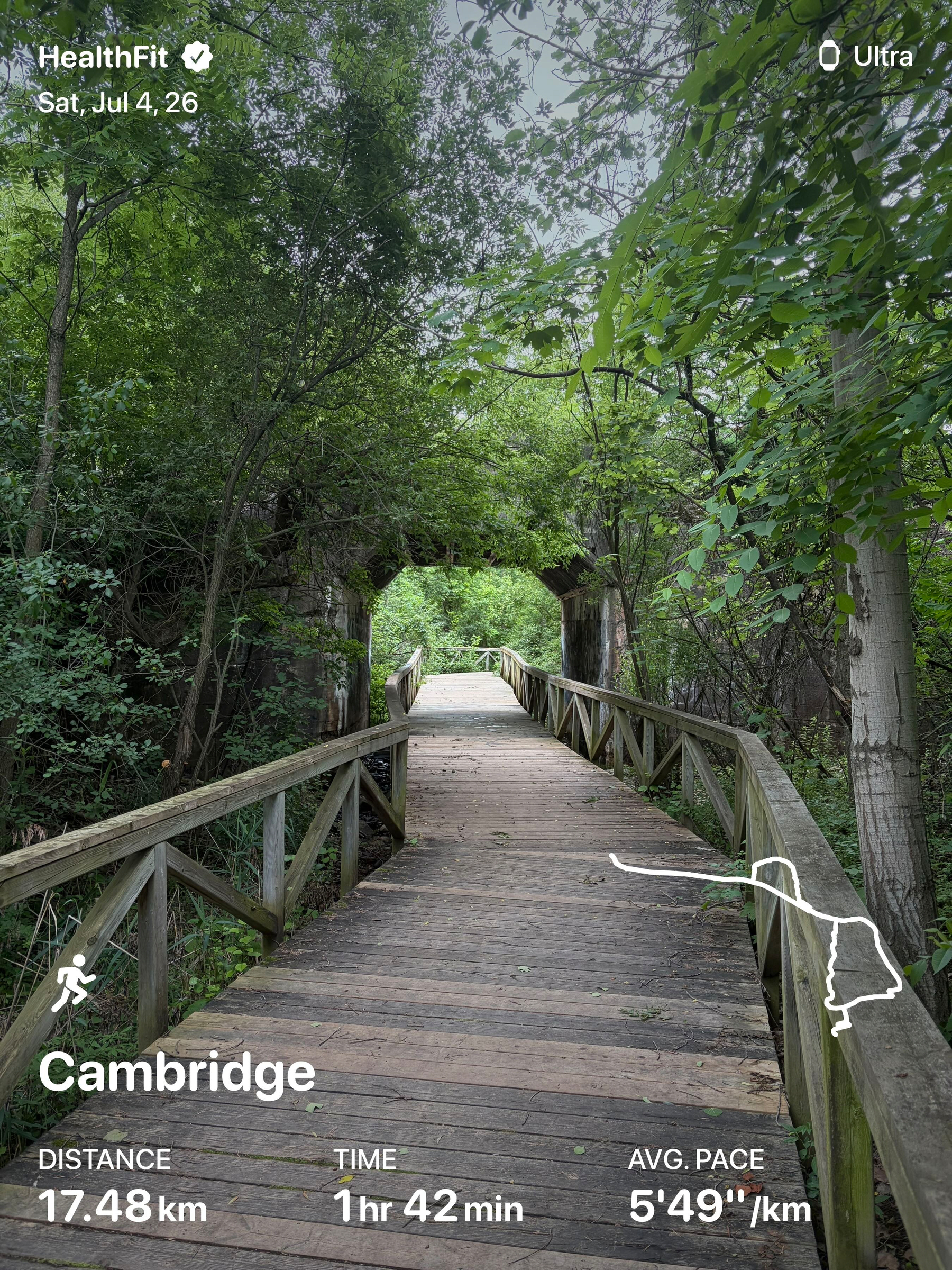
I endorse The Line’s proposal to convert our half of the Gordie Howe Bridge into an open air festival 🇨🇦
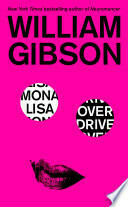
Finished reading: Mona Lisa Overdrive by William Gibson is a good ending to a great trilogy 📚
🇨🇦 Happy Canada Day!
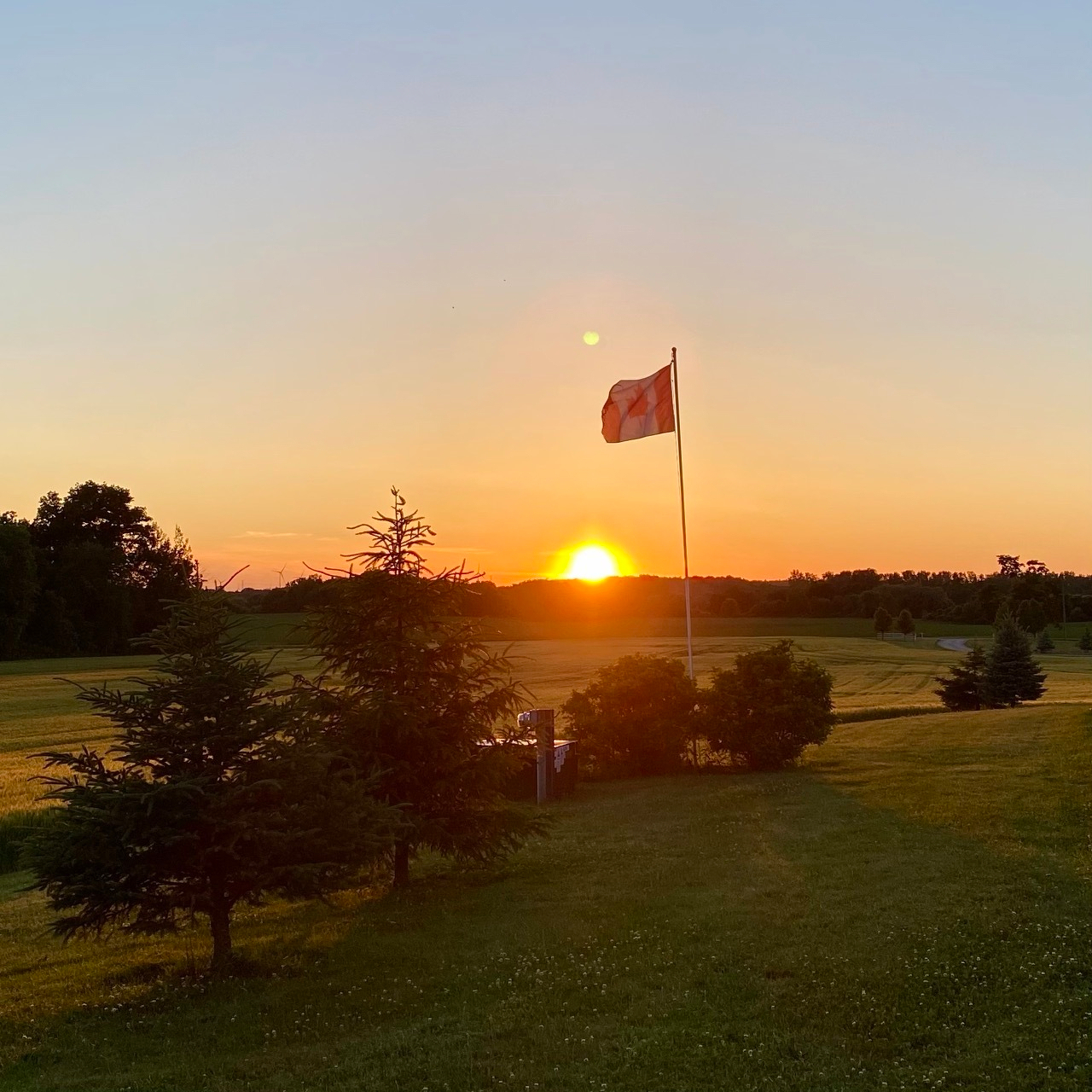
George is keen on his pride bone 🏳️🌈
Woodbine Beach Park. 📍
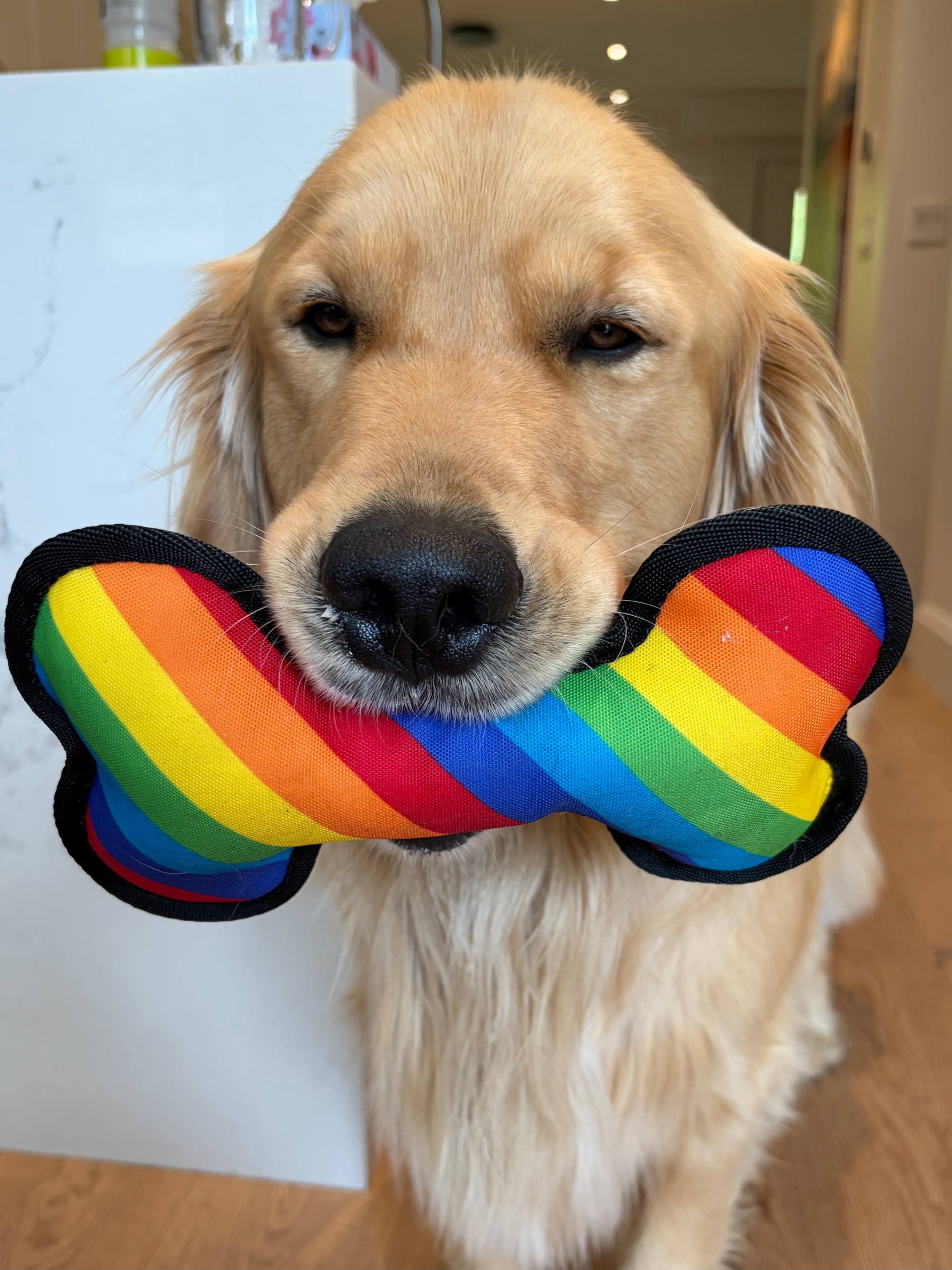
Father’s Day Ribfest
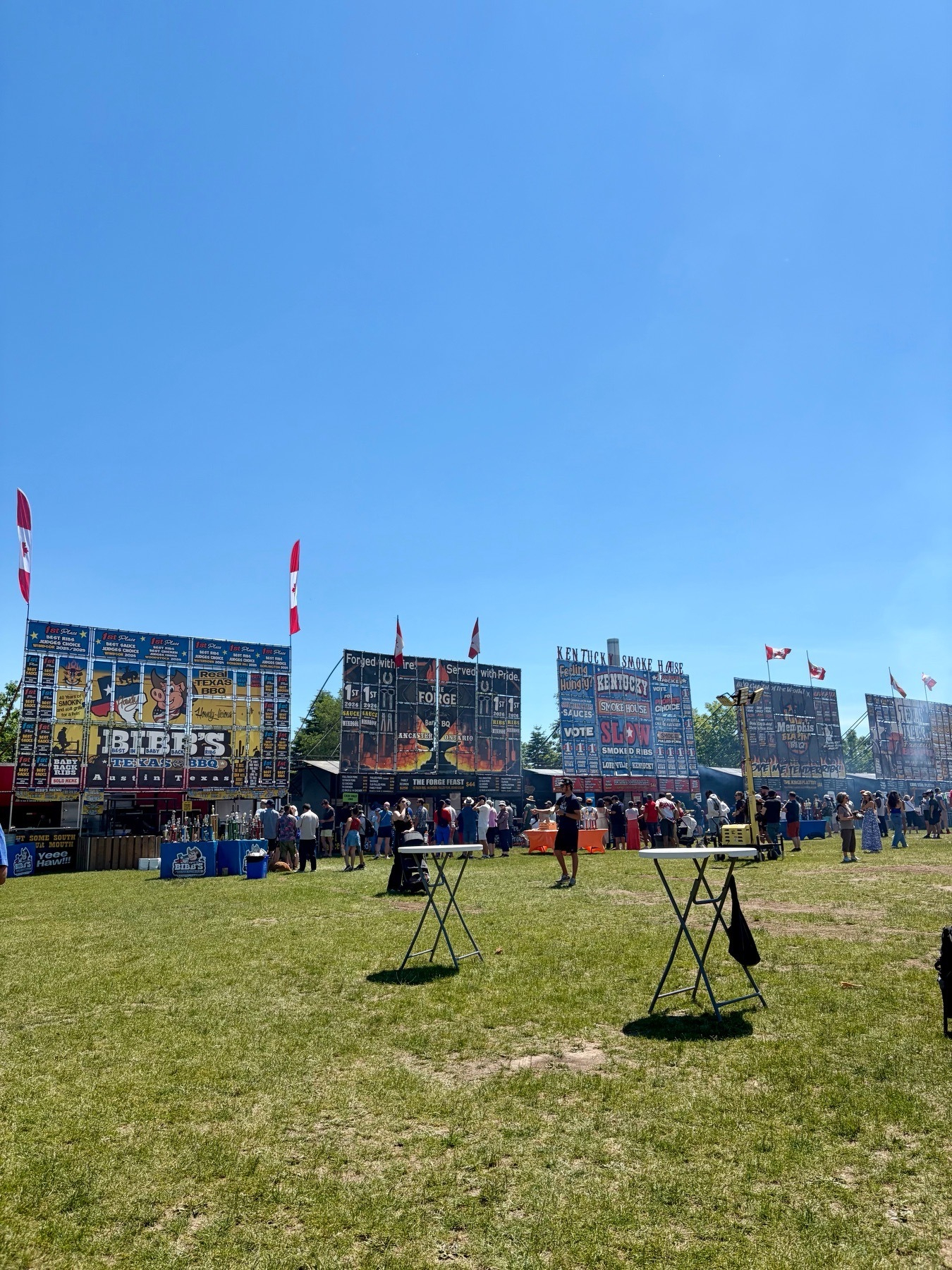
🏊♂️🚴🏃♂️ The Guelph Lake Olympic Triathlon was great fun, though challenging. Big thanks to my daughter for her expert race crewing.
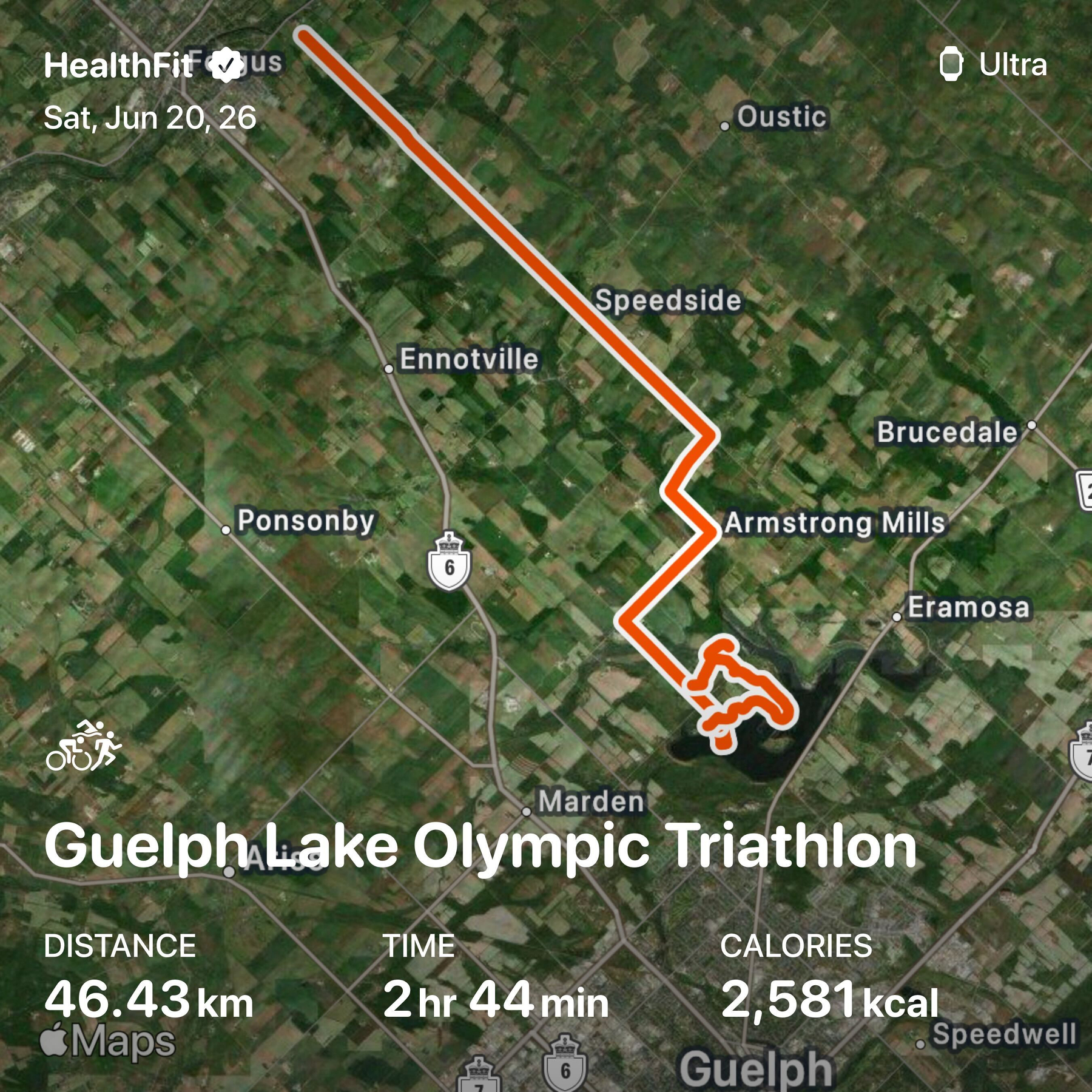
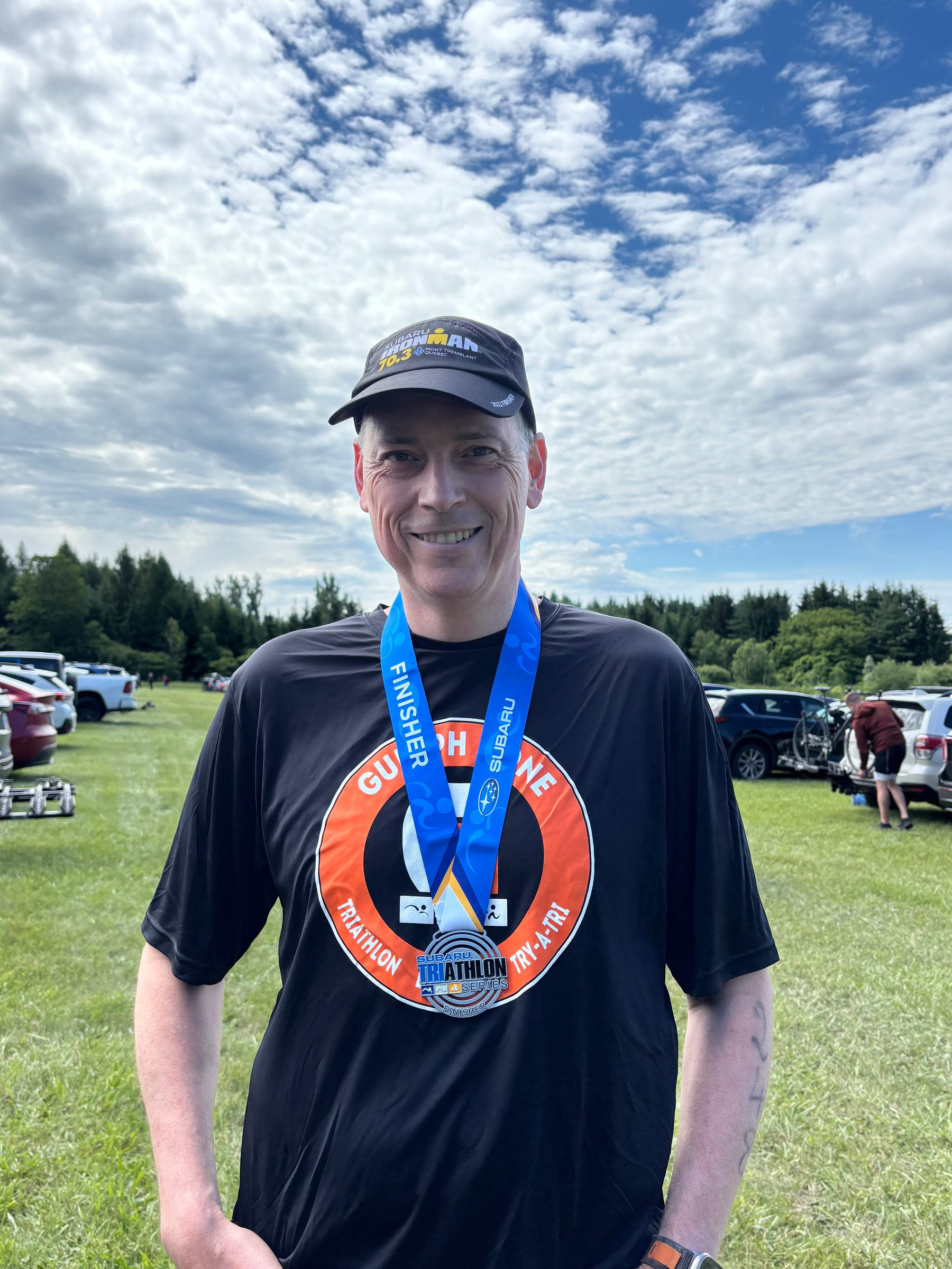
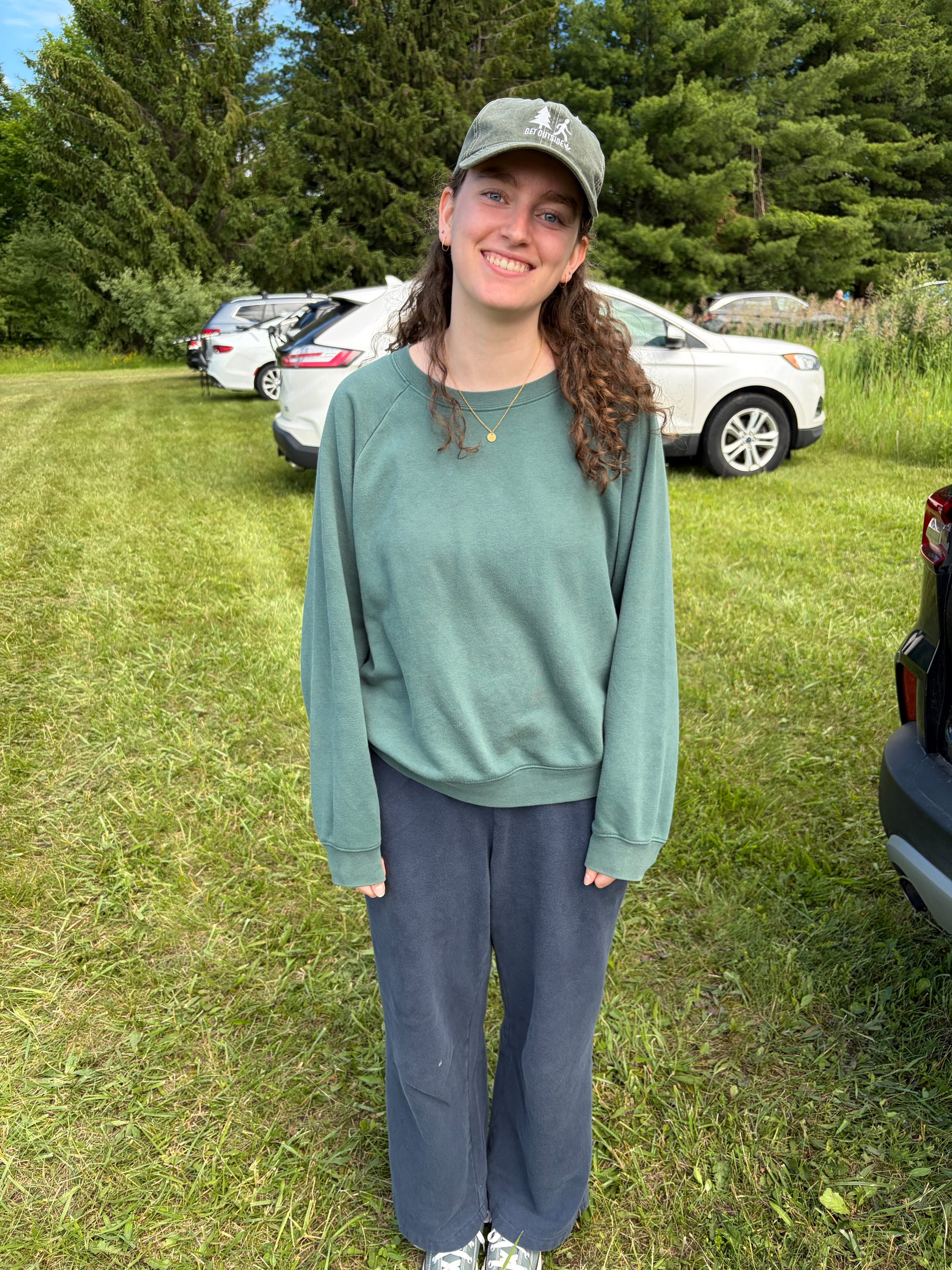
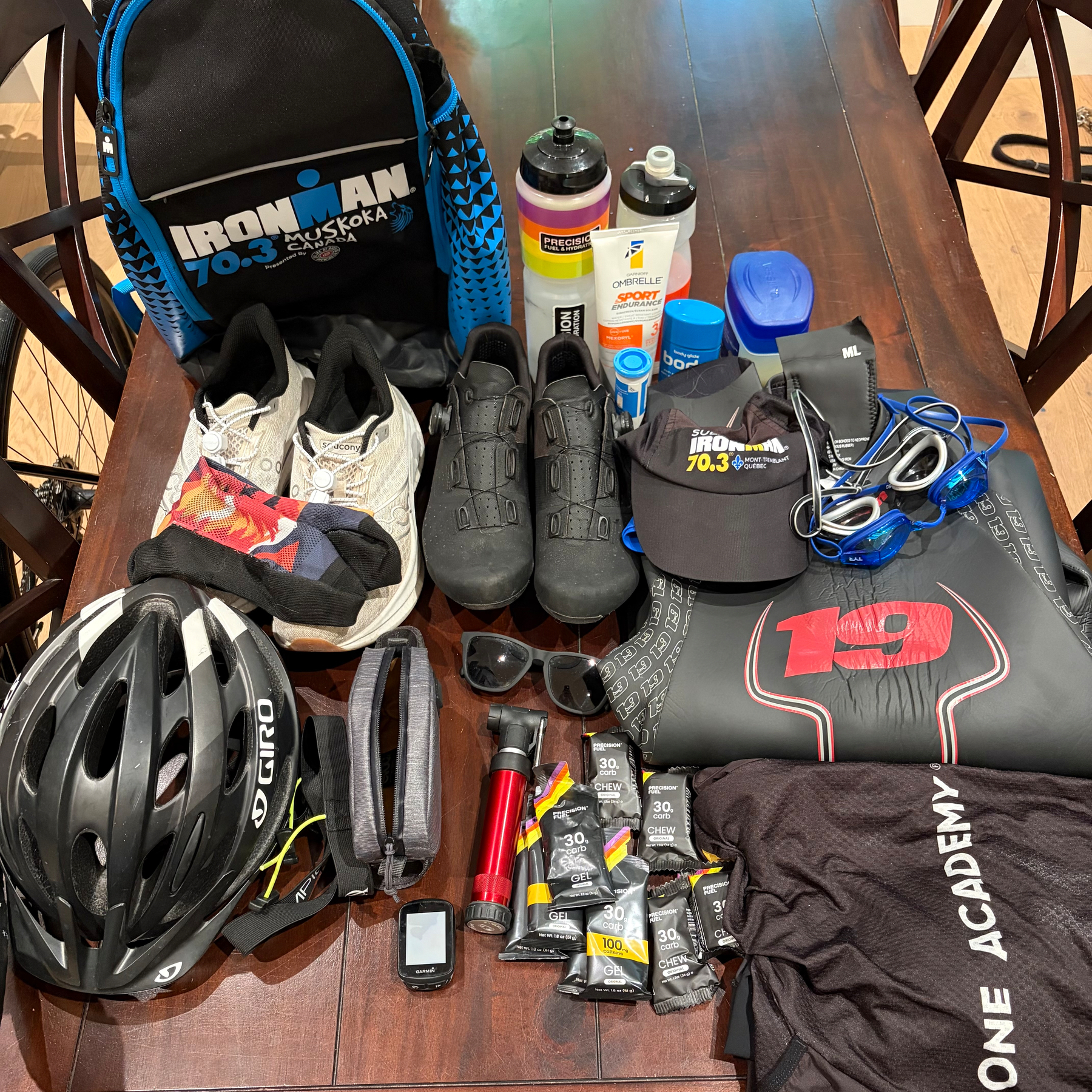
🏊♂️🚴🏃♂️ Packing for the Guelph Lake triathlon. I’m excited to try a new course

Finished reading: Hostages to Fortune by Peter C Newman really helped me better appreciate the role that the Loyalists had in shaping Canada. Much more extensive than I recall from my history lessons in school 📚
RBC Amphitheatre. 📍
🎶 Bleachers know how to put on a great show
Just Be Normal About S**t by JA Westenberg
Be normal, and opt out of the deranged belief that the only way to take something seriously is to take it to the most extreme possible conclusion.
Seems to me like a great approach.
Andrew MacDougall: Lessons from D-Day, 82 years later:
Looking at the past with rose-coloured glasses is usually a waste of time. We’re never going to be the country we were when it served up the “Greatest Generation.” But we do need a renewed sense of nationhood. We need to become a place that can once again pull together to do big things when called upon by the world. Different things, surely, but big just the same. What we shouldn’t be in a rush to do, especially in the face of Trumpian disorder, is to further weaken ourselves, whether by continuing our economic and military stagnation, or carving up the country via referendum.
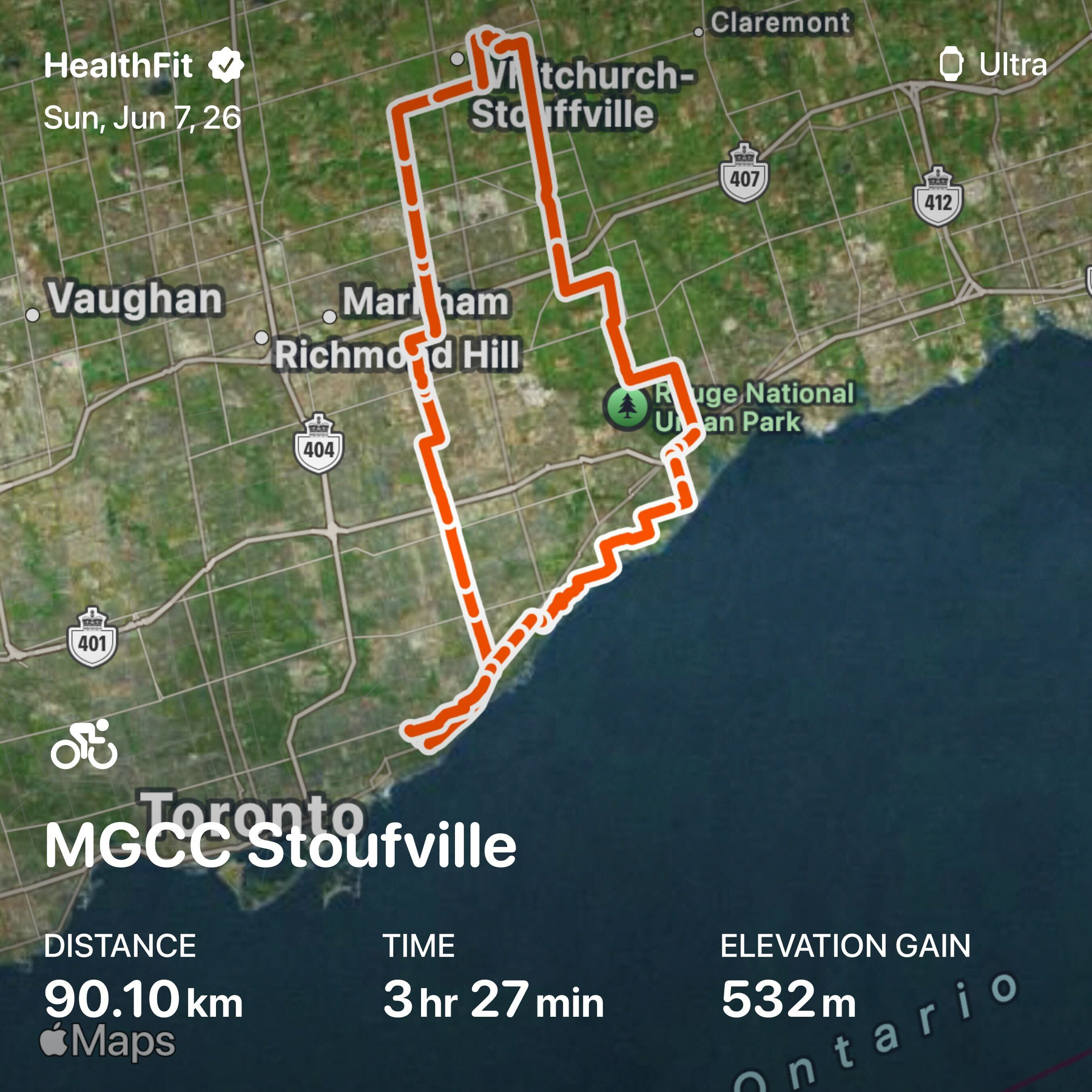
🚴 Glad to get out for my first proper long ride of the season. The nasty headwind on the way up became a glorious tailwind coming back.
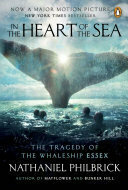
Finished reading: In the Heart of the Sea by Nathaniel Philbrick is the harrowing story of survival that inspired Moby Dick. Hard to imagine such an ordeal 📚
Fun to listen to Yankee Hotel Foxtrot by Wilco from start to finish for The Hemispheric Cavalcade Bingo Arcade June-boree! 🎵