A great video on the Standard Model of physics
Microposts
Really well done and fascinating video on The Sounds of Space

Currently reading: Excession by Iain M. Banks 📚
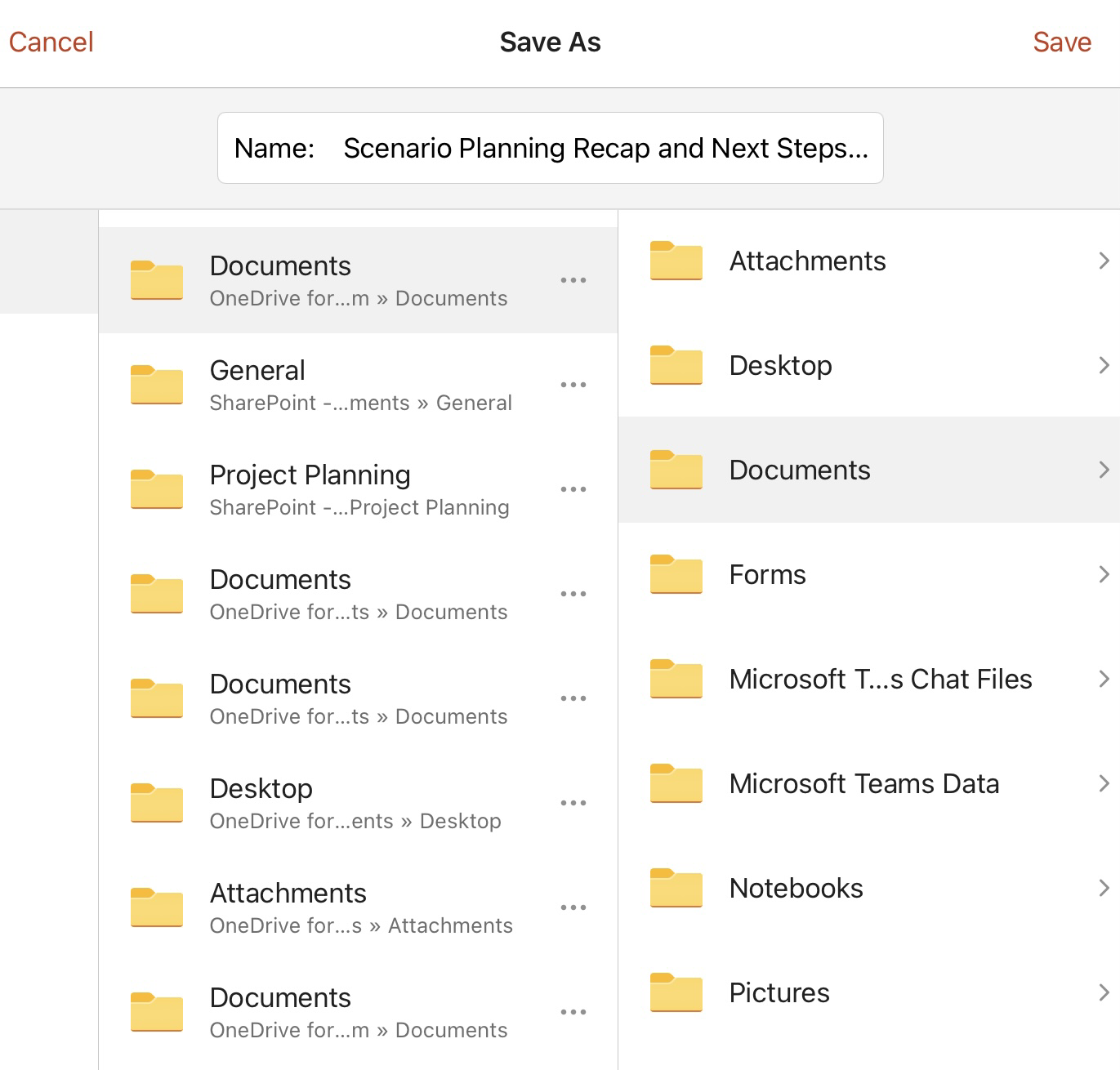
The iPadOS save dialog for MS Office has become confusing. I can never figure out which of these “Documents” folder is my documents folder, rather than a colleague’s
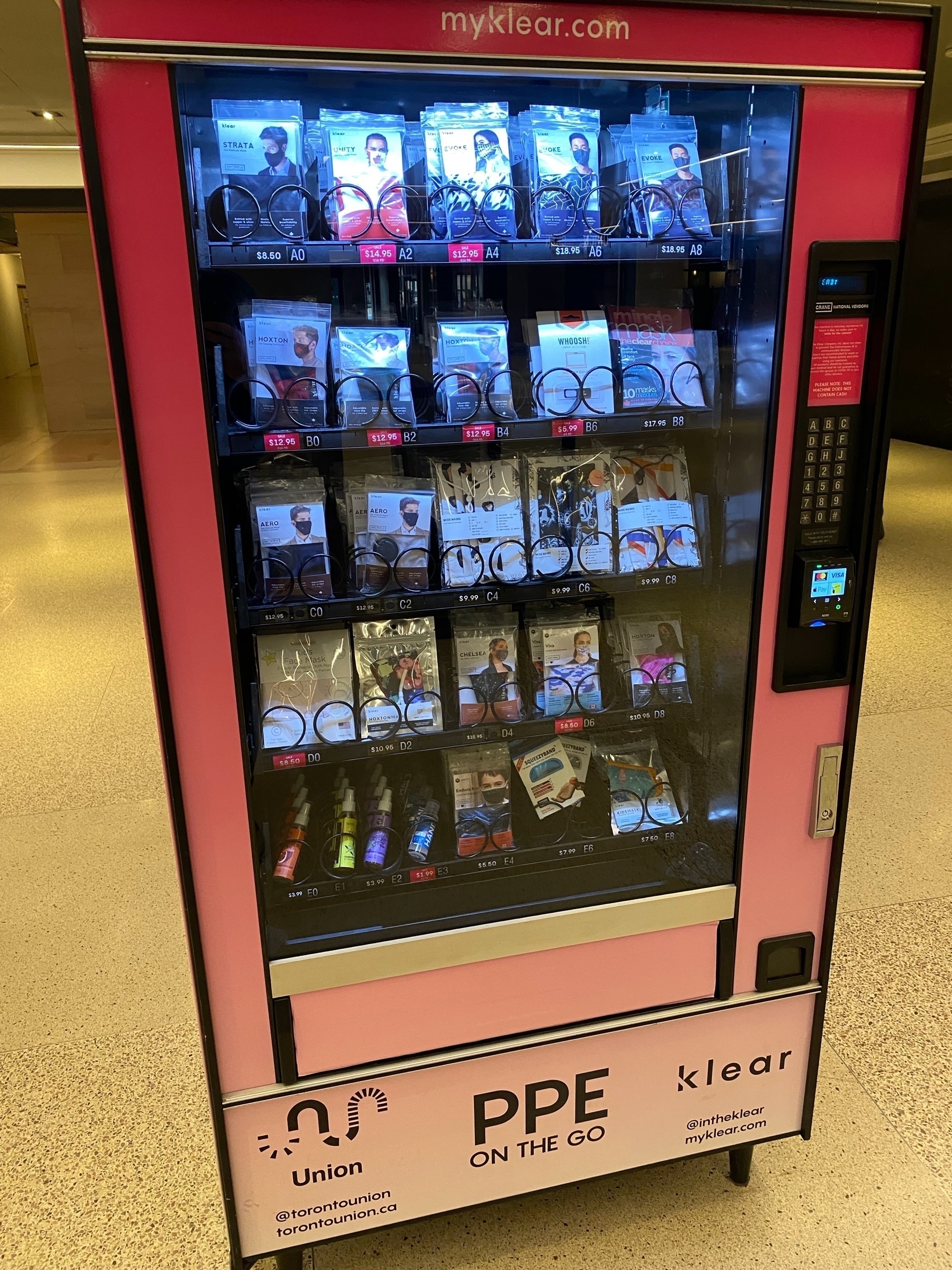
Back in the office after a 13 month gap and spotted my first PPE vending machine on the commute. A sign of how things will be after COVID-19 🦠 😷
Mortal on Amazon Prime is good. A nice take on the Thor myth that doesn’t adopt the Marvel spectacle style (though that style is good fun)
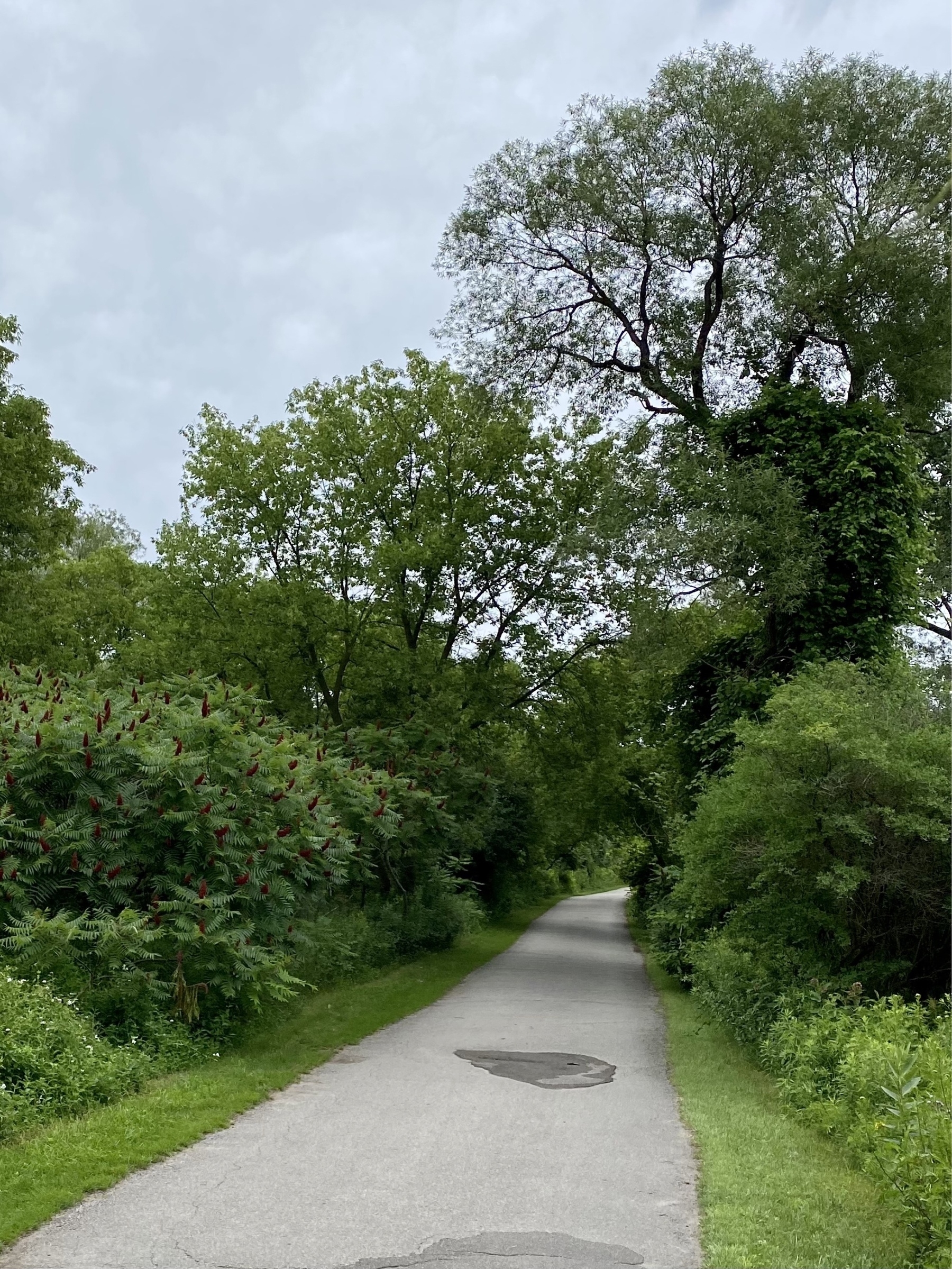
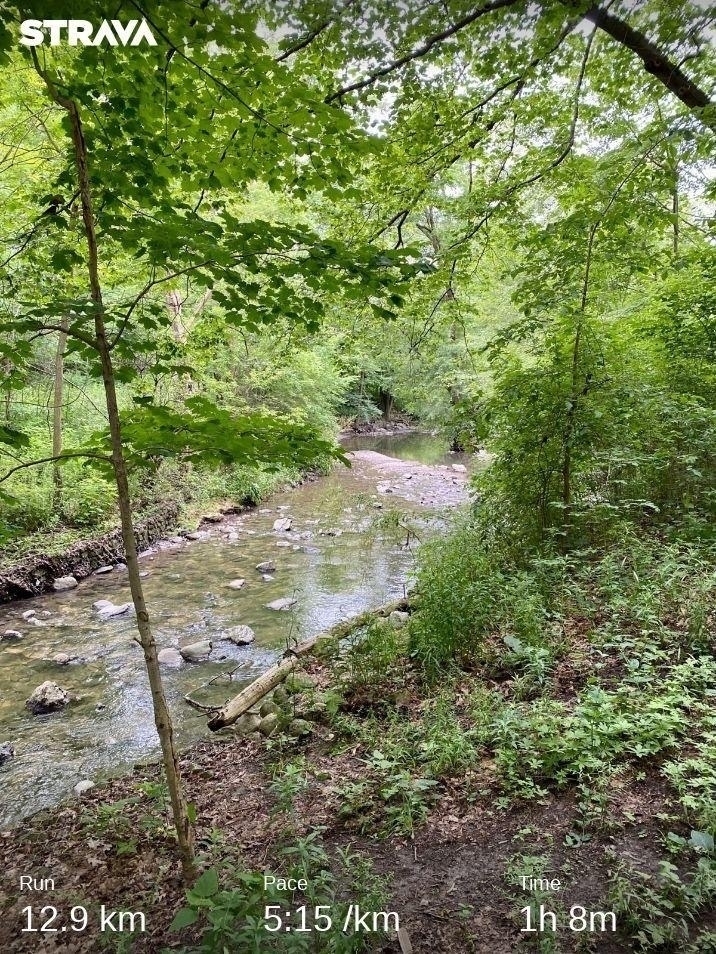
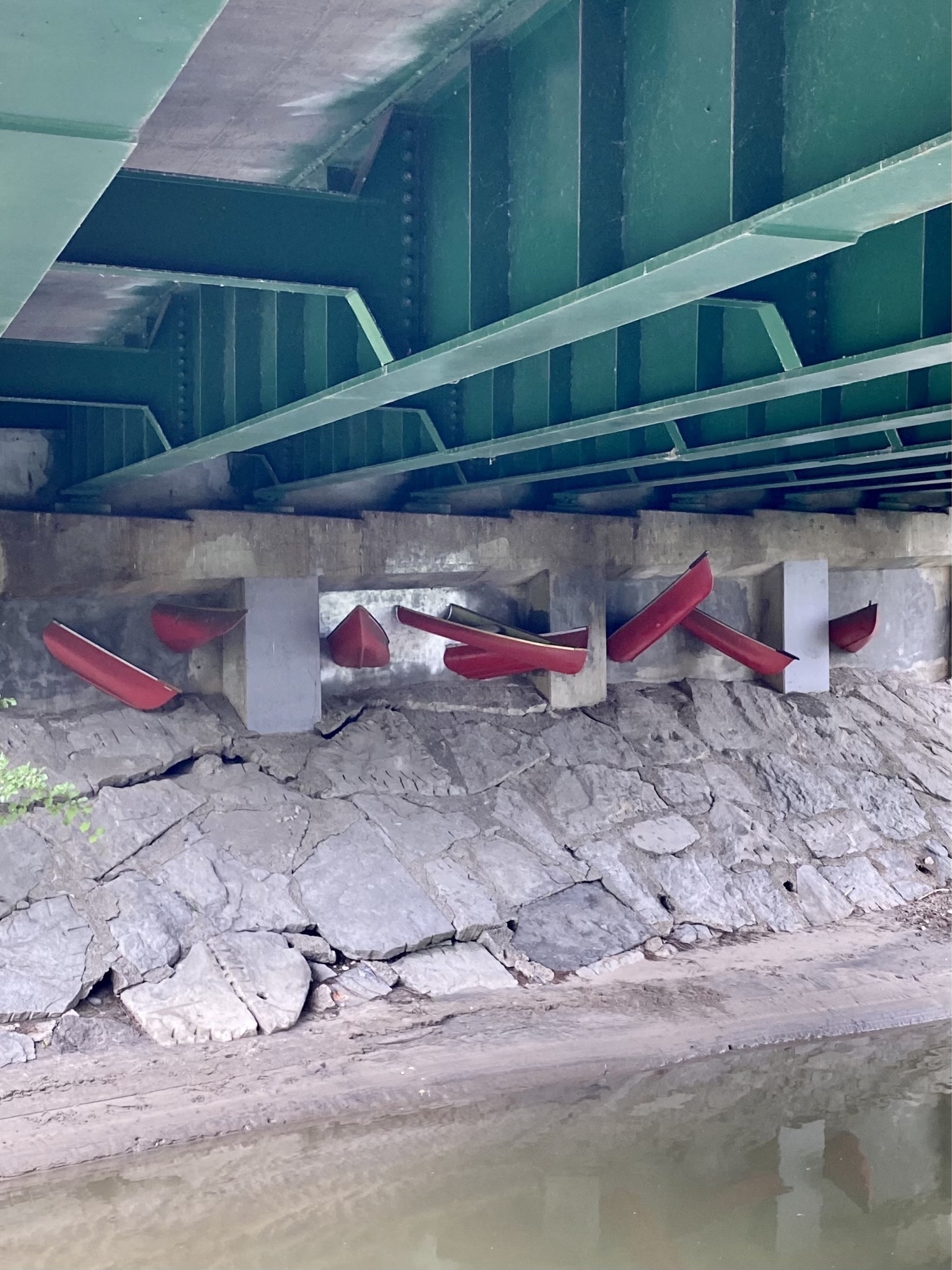
A nice run along Taylor Creek 🏃♂️. Except for the hill up to Lumsden Ave near the end; that part was horrible
I’ve been using the iOS betas for just over a week. The new Focus feature is as useful as I’d hoped. Being able to change notifications and home screens by context is great. Especially for switching off from work

Currently reading: The Little Drummer Girl: A Novel by John le Carre 📚
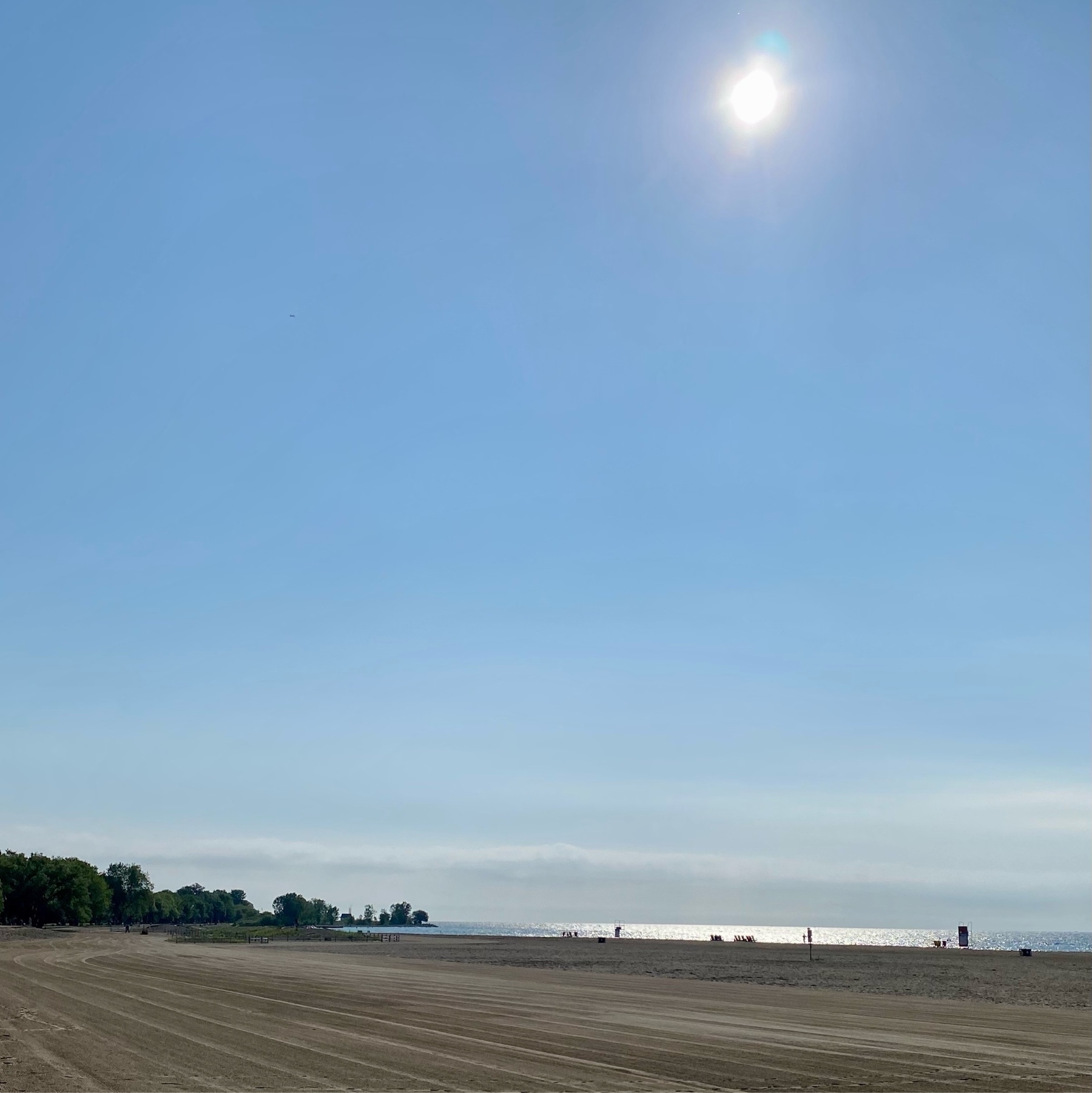
A quiet run along the beach this morning. Certain to be much busier this afternoon 🏃♂️
The Tomorrow War is totally ridiculous. And, I watched it anyway

Finished reading: Matter (Culture) by Iain M. Banks. This was a straightforwardly entertaining read 📚
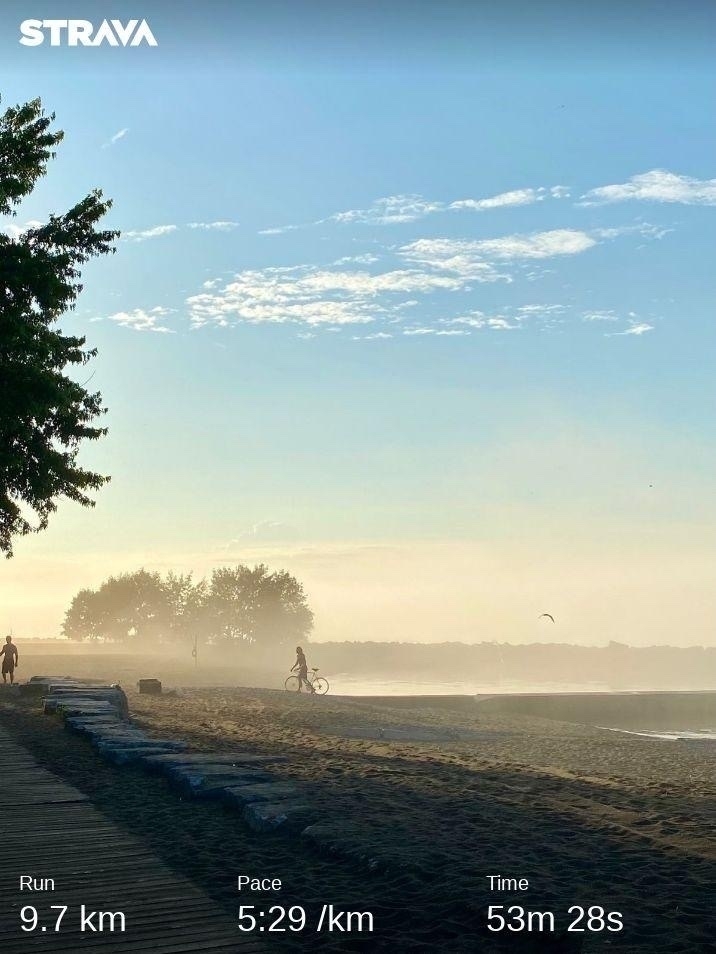
A misty run this morning 🏃♂️
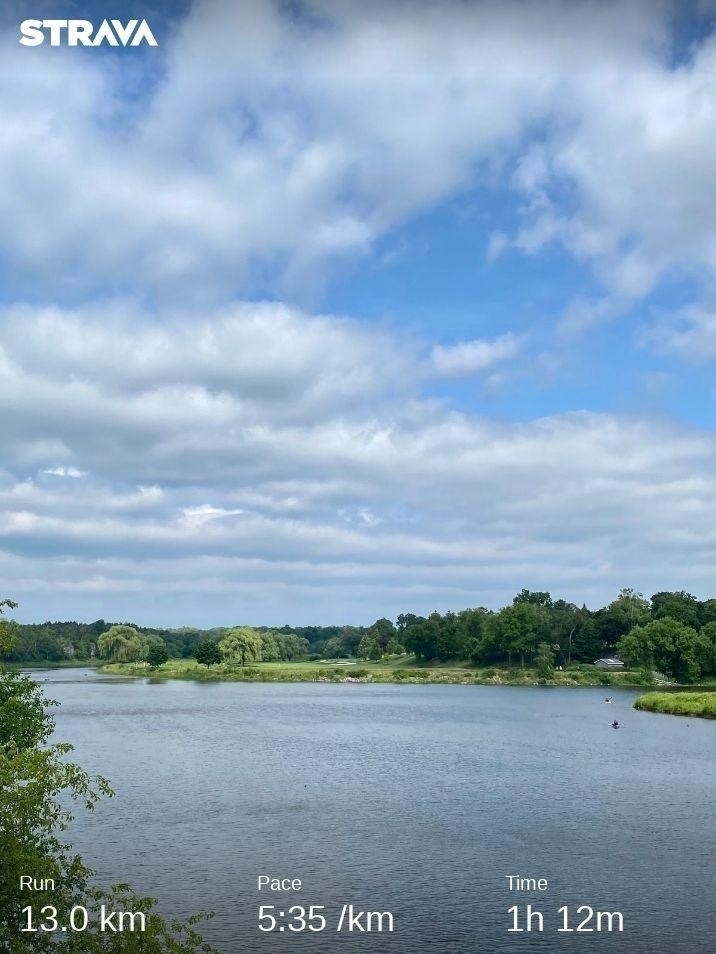
Humid out there 🥵. Good thing there was a breeze by the river 🏃♂️
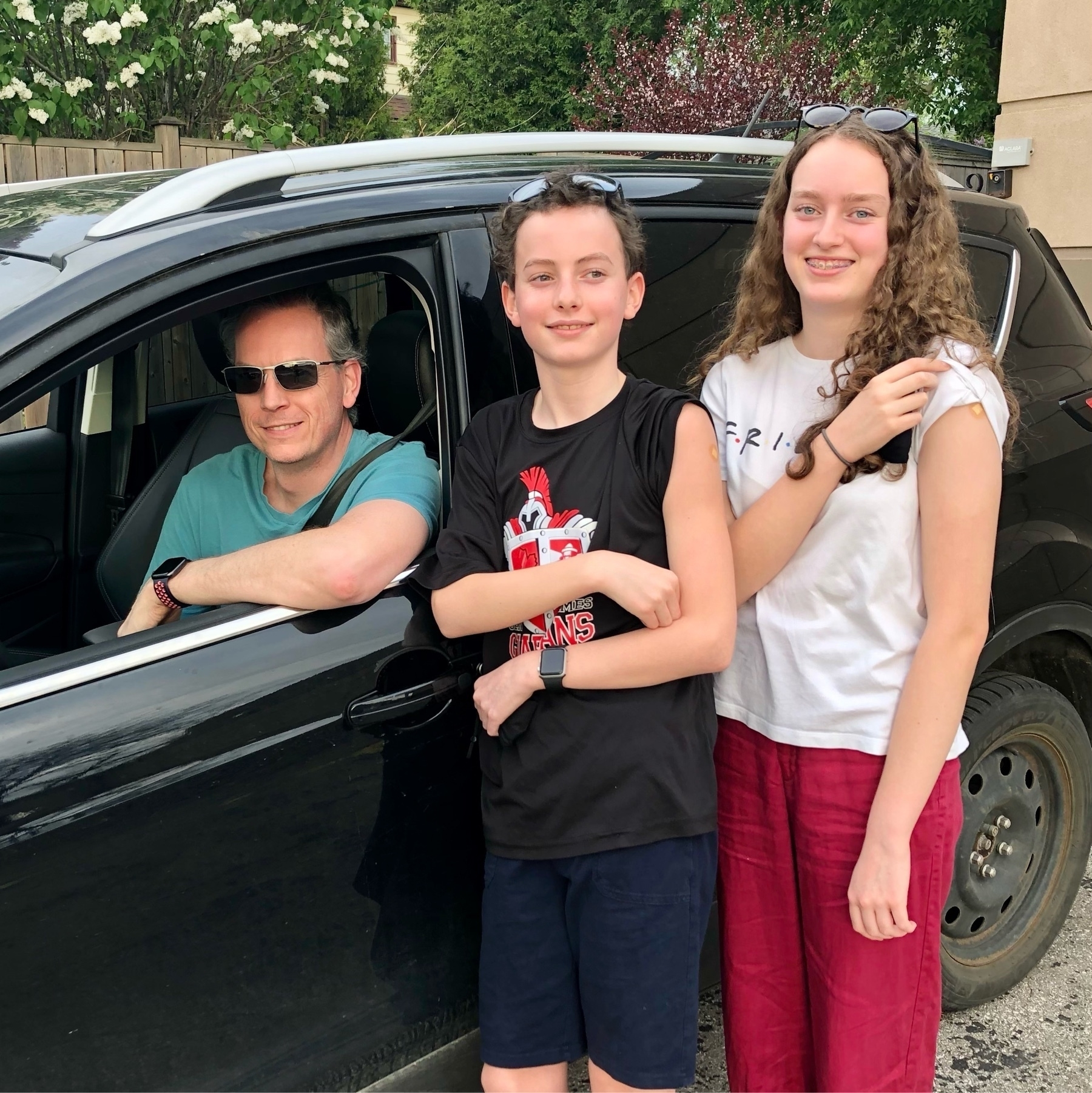
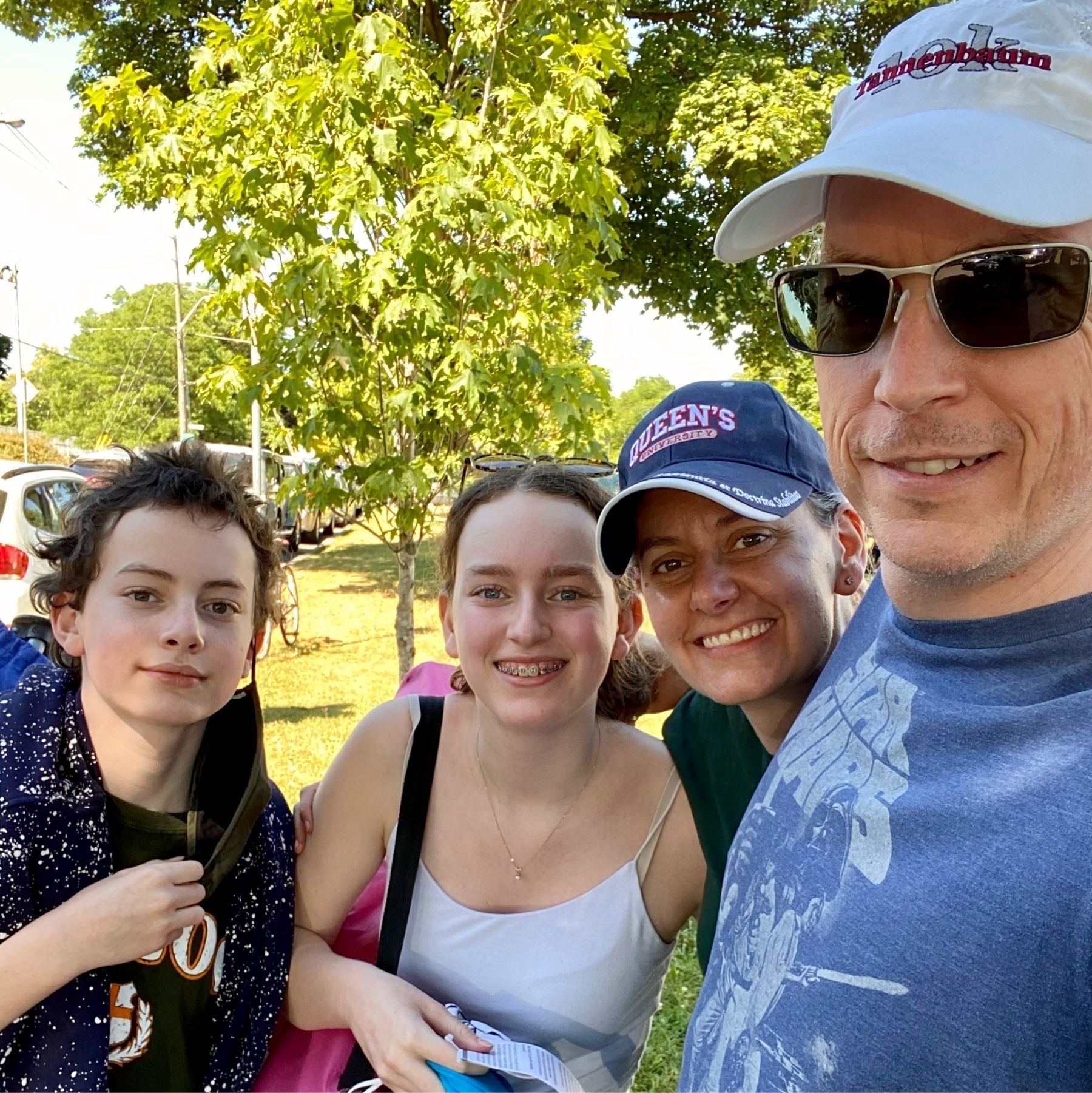
Second vaccine doses administered! 💉 👍
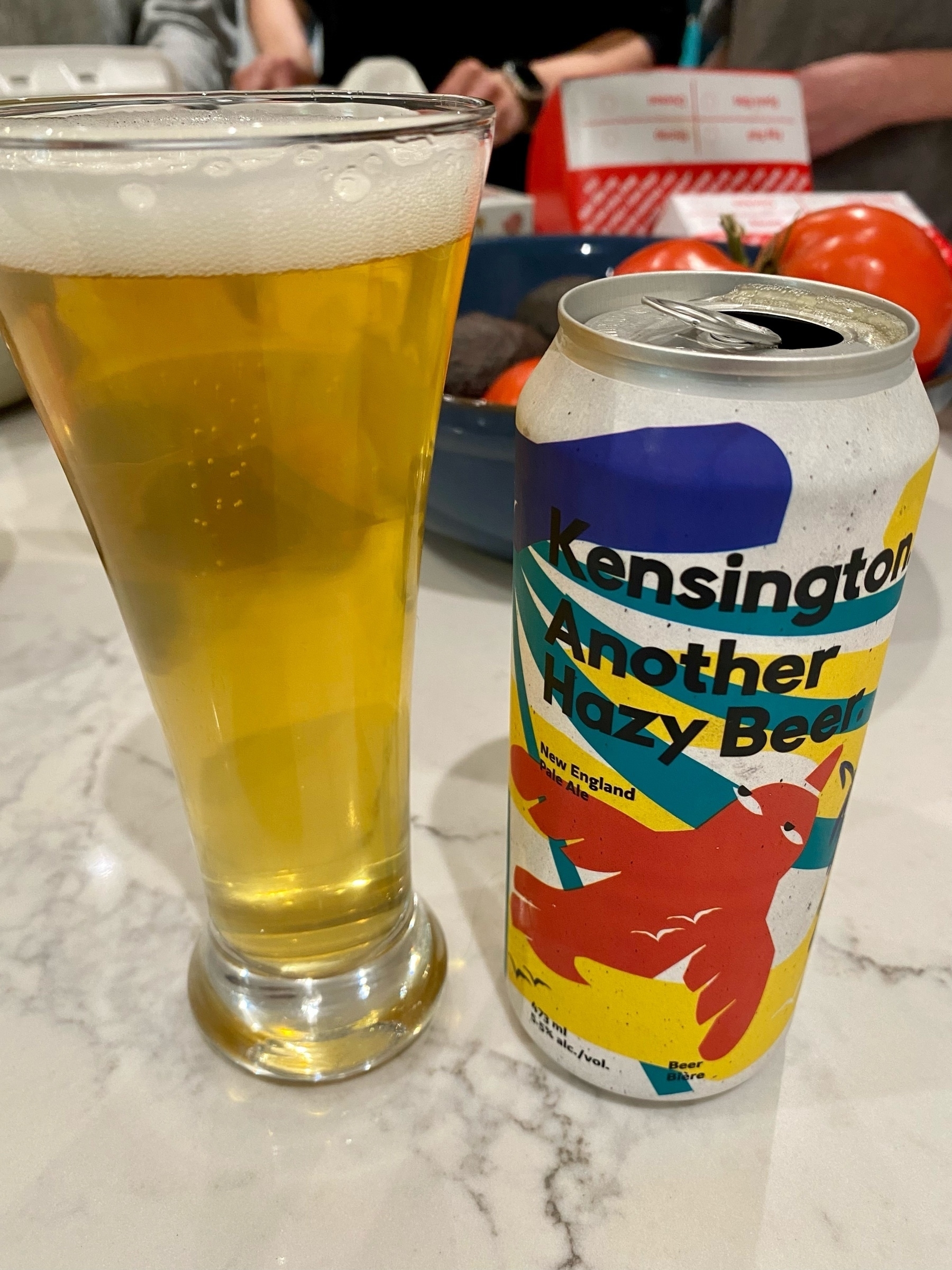
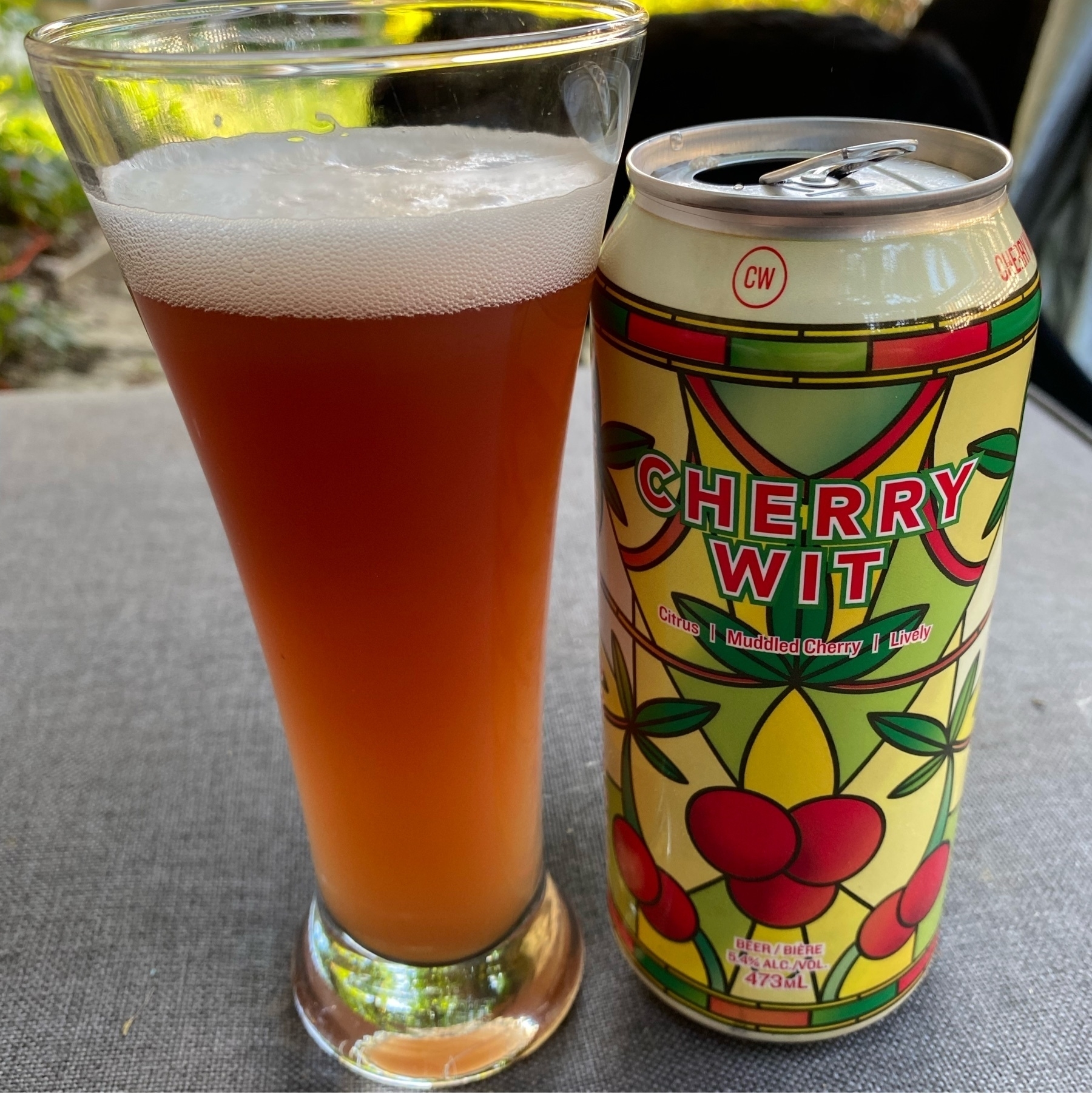
Might as well try another one from Kensington Brewing
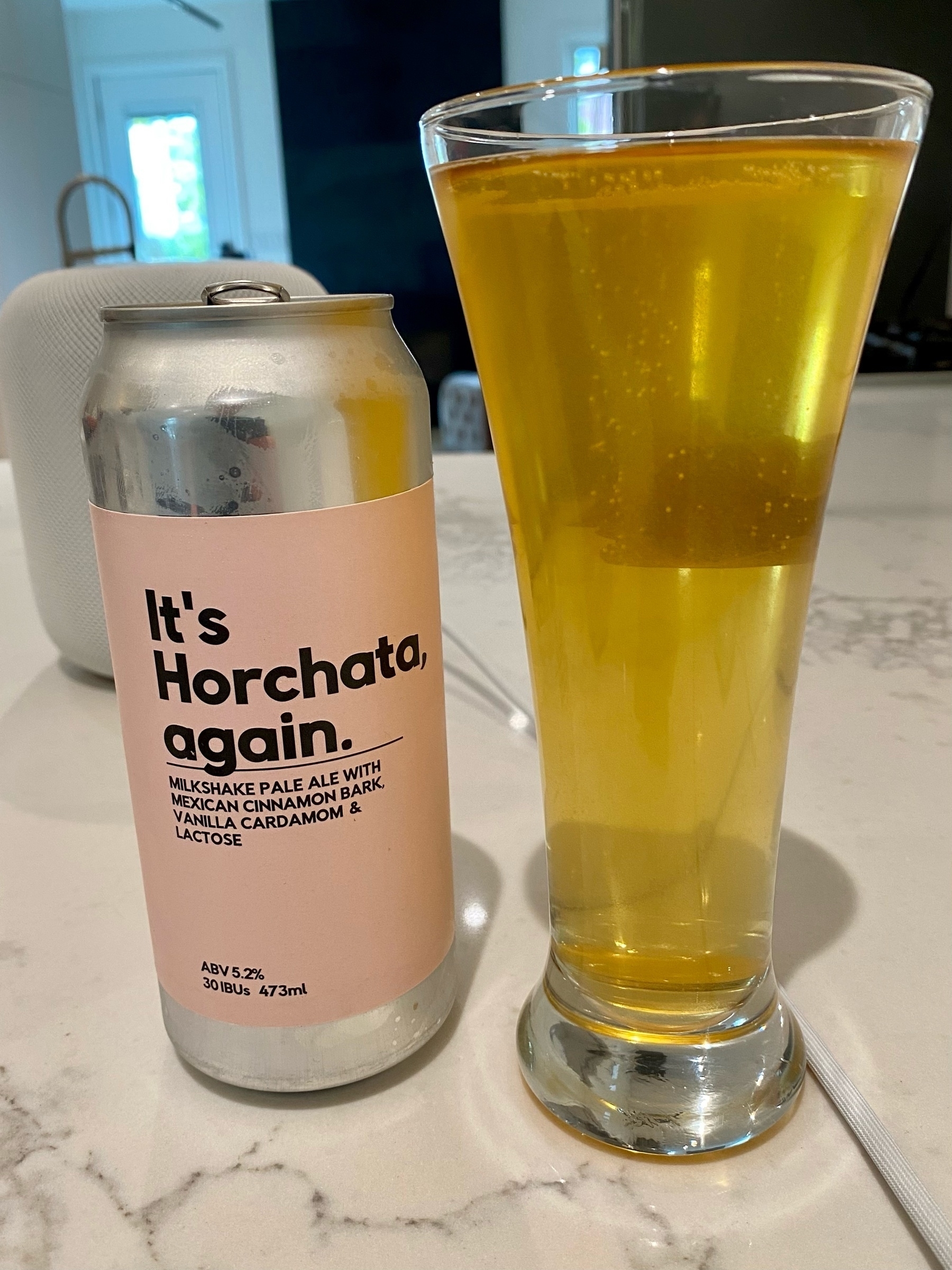
Trying out a new (to me) brewery: Kensington Brewing
This episode of the Mindscape podcast was a nice mix of my interests in math, politics, and voting theory

Finished reading: The Strategy Paradox: Why Committing to Success Leads to Failure (And What to do About It) by Michael E. Raynor 📚

Green Mars by Kim Stanley Robinson is a good second book in the Mars trilogy. So much great detail, you really get a strong sense of Mars as a place that is distinct from Earth 📚
I’ve listened to a few Spatial Audio songs on Apple Music and I’m impressed! If you listen to a familiar song, you can really notice the difference. Lots of space and previously unnoticed details in these new mixes 🎧🎶
The new Focus feature in iOS 15 looks promising. I already hide and show home screens based on context and this looks like it will help make this even more effective. Lots to unpack from WWDC
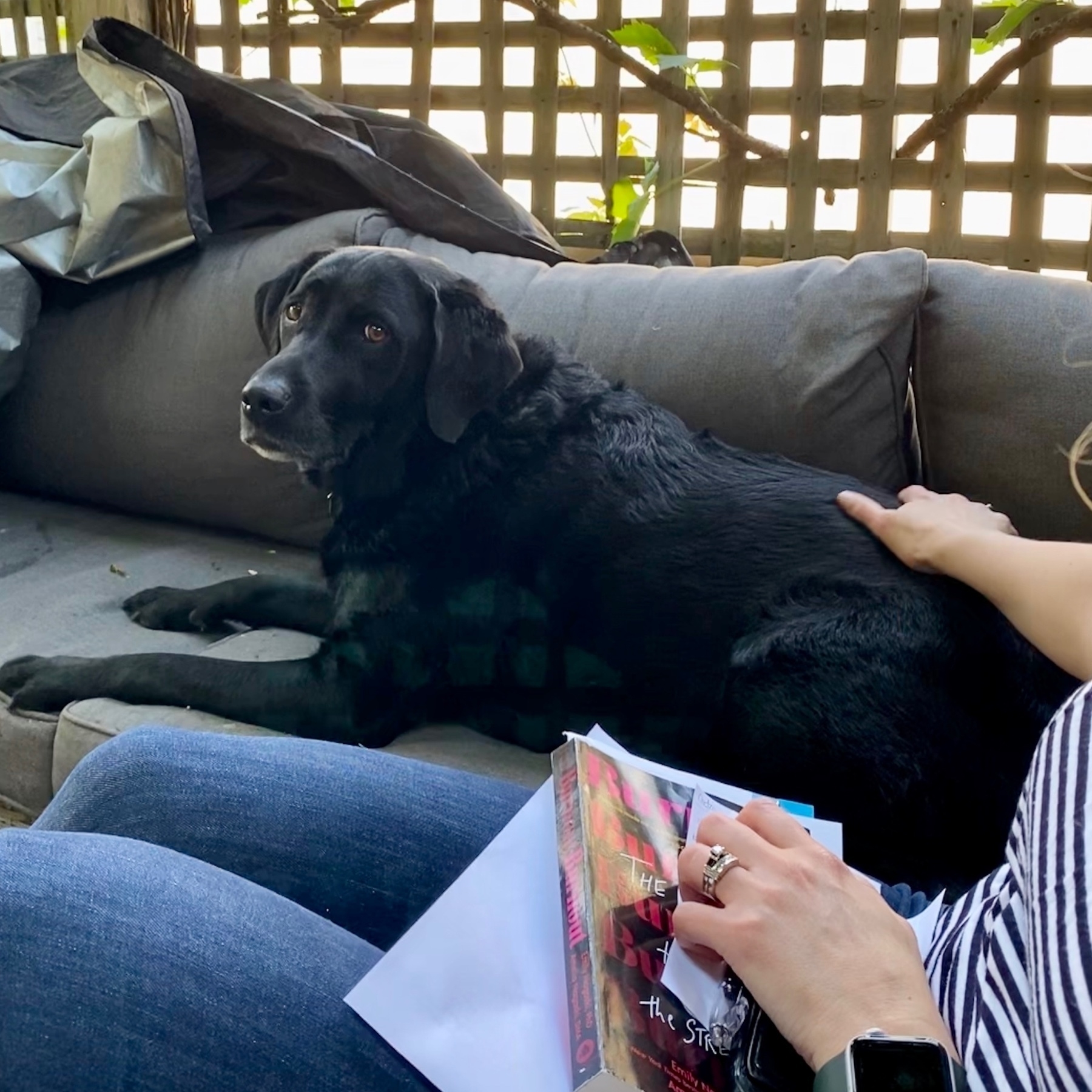
After thinking it over for a few years, Lucy has finally decided to try the outdoor couch
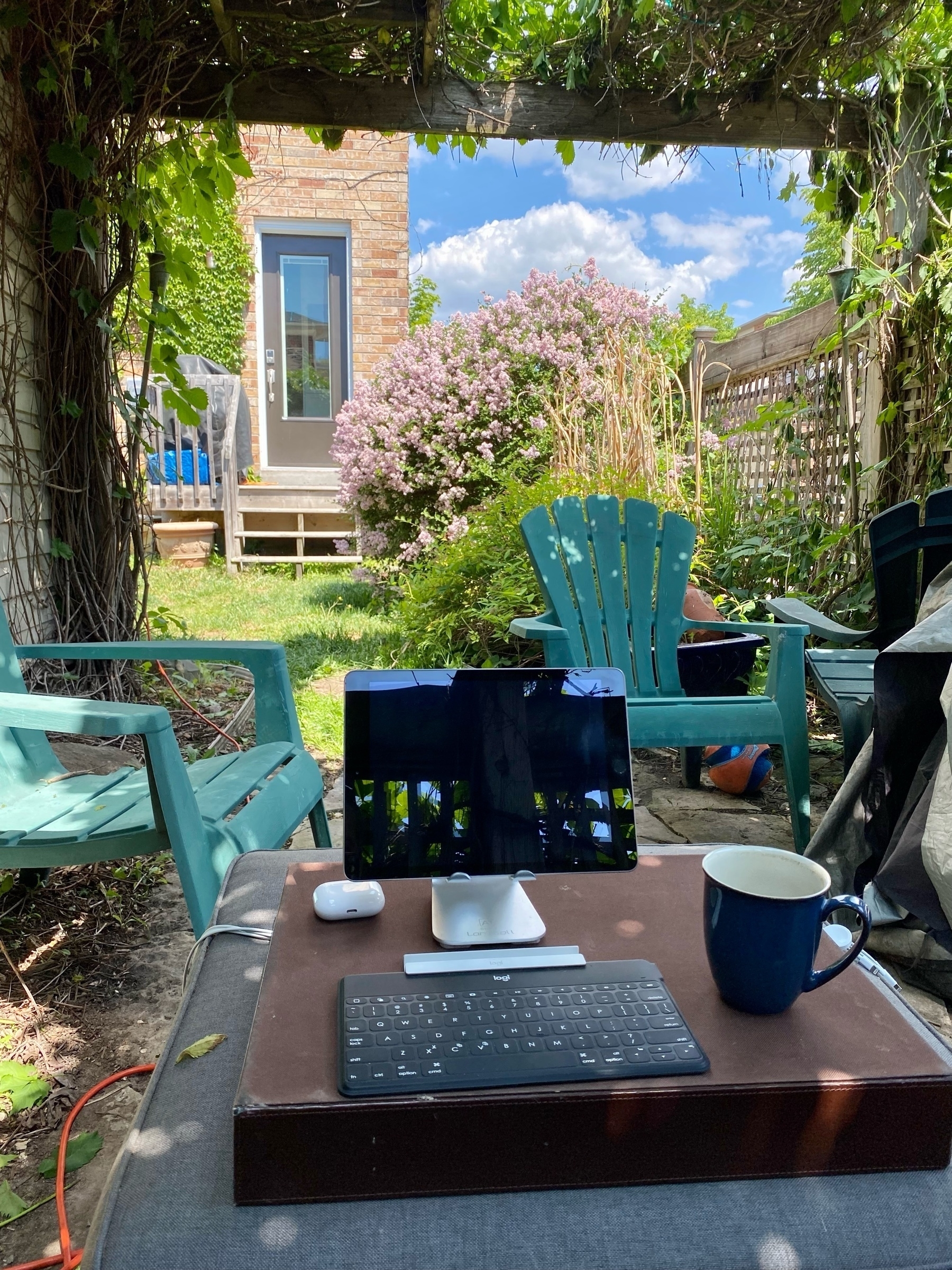
Thanks to a wifi range extender, I’ve improved my office location
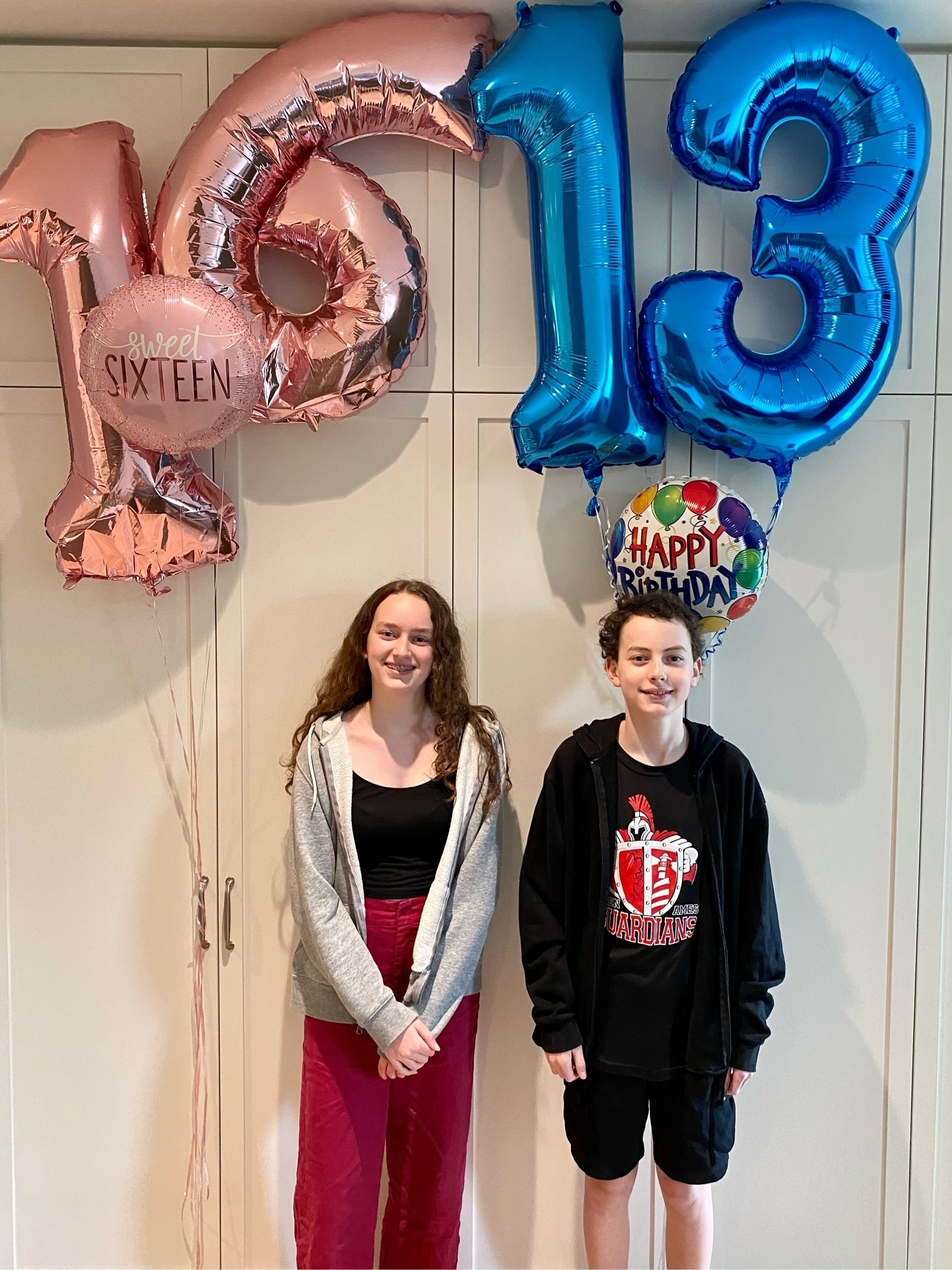
I now live with two teenagers
Sleep Evolved Before Brains. Hydras Are Living Proof. | Quanta Magazine
It appears that simple creatures — including, now, the brainless hydra — can sleep. And the intriguing implication of that finding is that sleep’s original role, buried billions of years back in life’s history, may have been very different from the standard human conception of it. If sleep does not require a brain, then it may be a profoundly broader phenomenon than we supposed.
Starting the long weekend a day early
Andrew Potter: My fellow Gen Xers don’t appreciate our great gift: we were ignored - The Line
In retrospect, it is obvious that the Gen X obsession with authenticity was anxiety caused by the growing rumblings of a culture in transition. The old technological ecosystem that fuelled the counterculture was gone, but the new web-enabled environment that made authenticity irrelevant hadn’t quite yet arrived. Gen X was the last generation to possess genuine subcultures that were able to remain somewhat unmolested by the digital meat grinder.
Sounds right to me
A good “in the zone” song: Persona
Kids are vaccinated!