Fathoms by Rebecca Giggs is about so much more than whales. Beautifully written, Giggs uses whales to talk through society, culture, environmentalism, evolution, and history, along with lots of good natural history on whales📚
Fathoms by Rebecca Giggs is about so much more than whales. Beautifully written, Giggs uses whales to talk through society, culture, environmentalism, evolution, and history, along with lots of good natural history on whales📚
Saturday, September 25, 2021 →
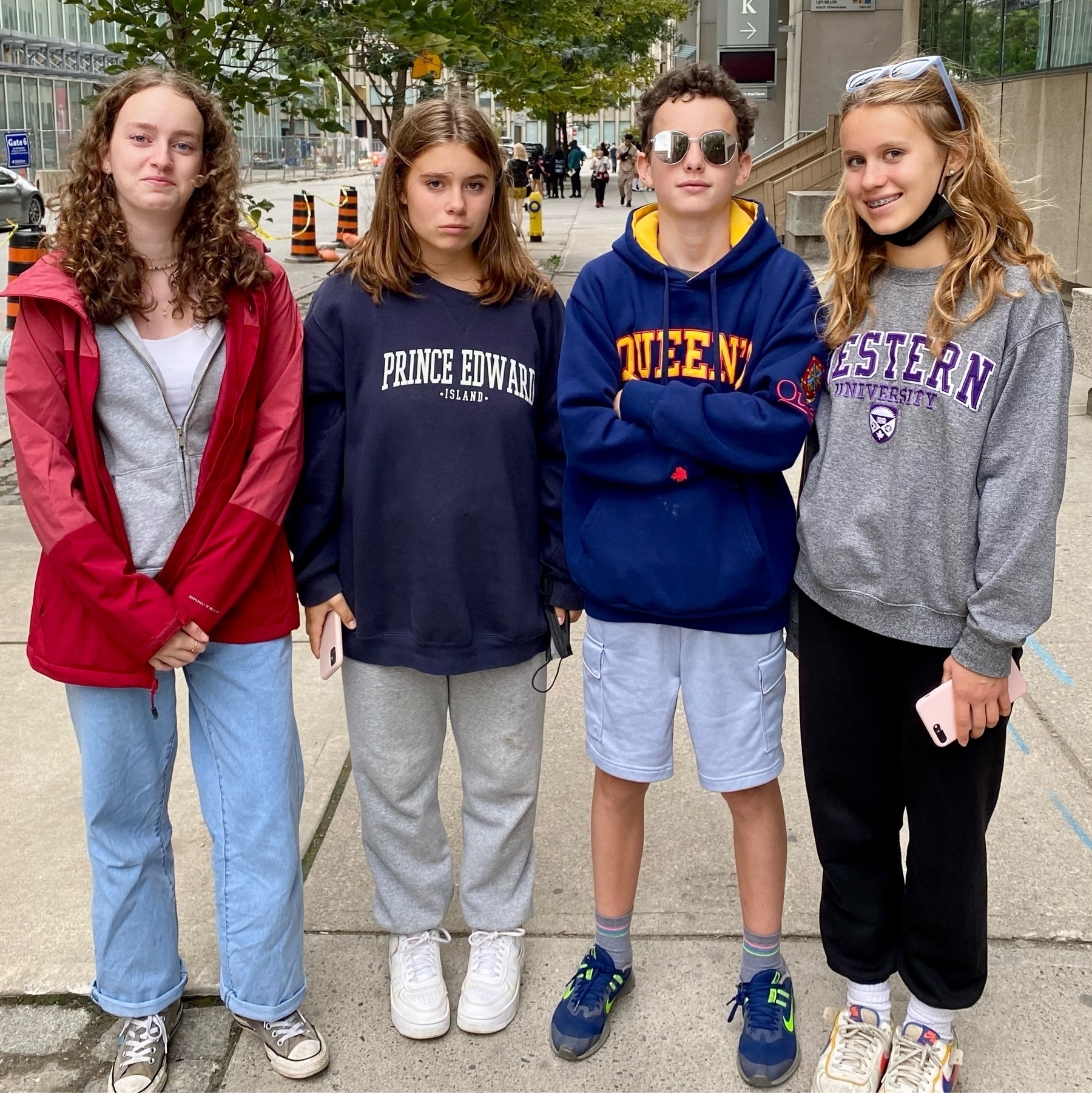
We had fun solving CluedUpp Games The Ripper mystery with these serious looking investigators
Thursday, September 23, 2021 →
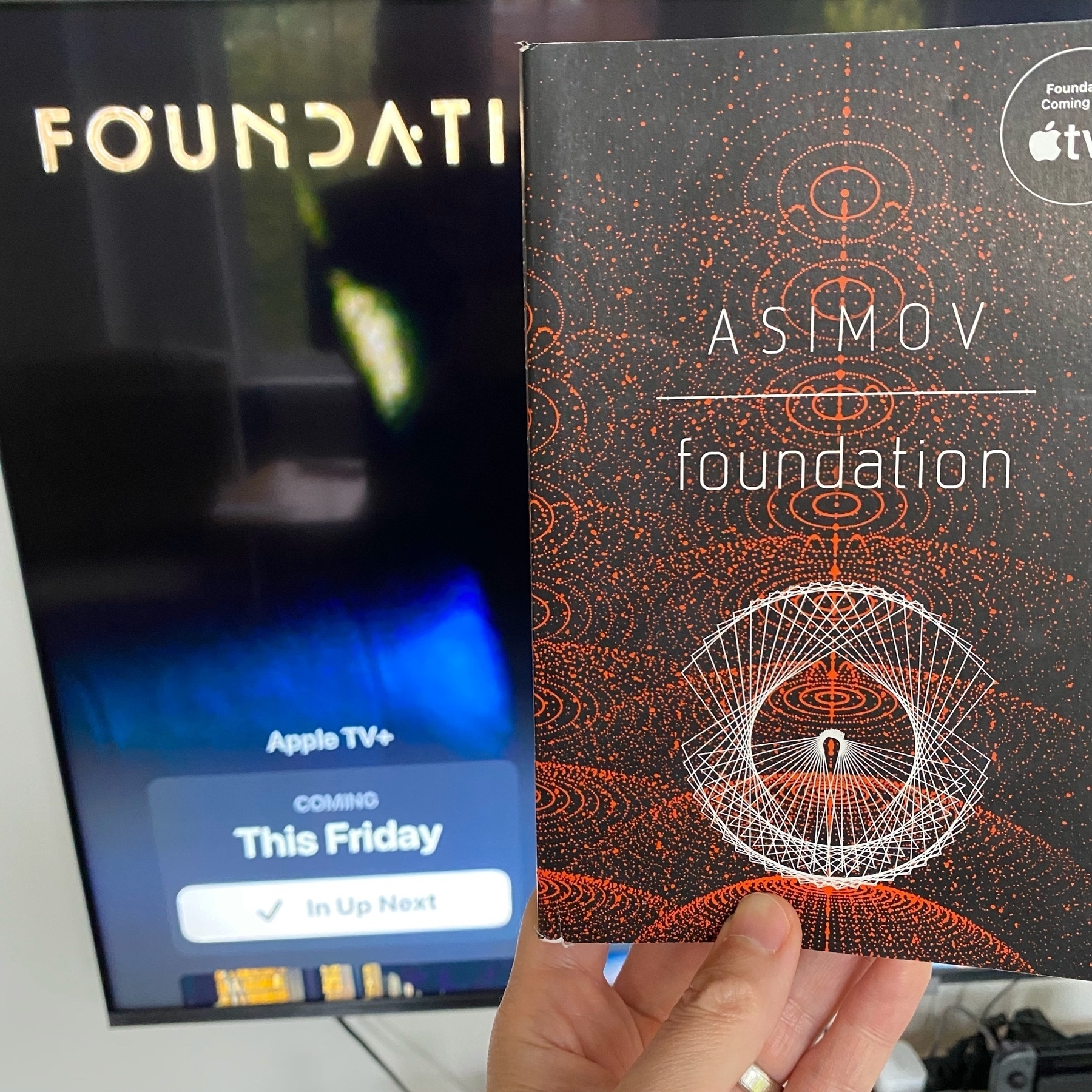
I really enjoyed the Foundation books as a kid and thought it might be fun to read them along with the new Apple TV show. I know they’ll diverge and look forward to seeing how they approach the original content
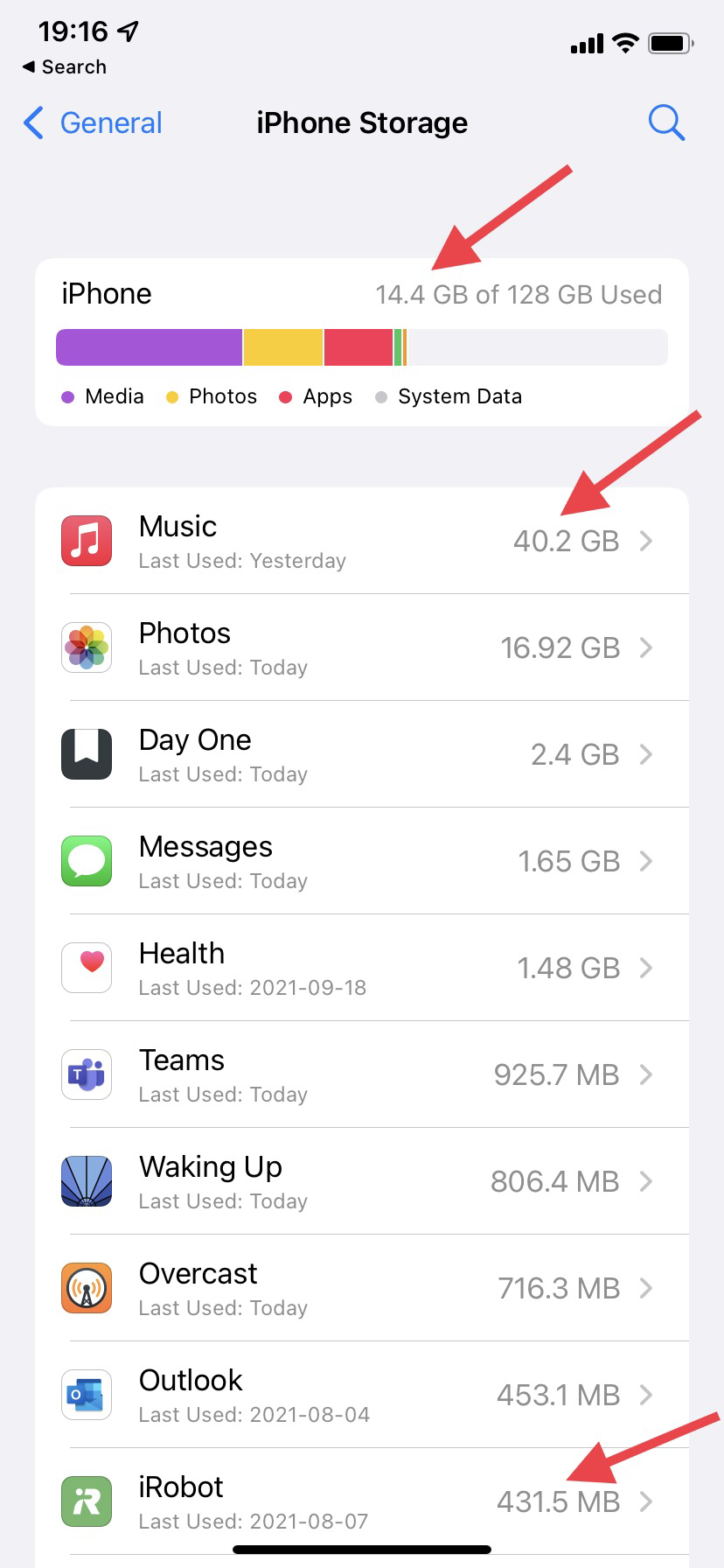
Two things to note: 1) Clearly the totalling is off and 2) How can the app for my robot vacuum be in the top 10?
Federal Election Day here in Canada 🗳 🇨🇦. As a public servant, I have no public opinion about the parties. I do think, though, that we have a civic obligation to vote and, so, encourage any Canadians out there to make an informed choice and cast your ballot.
We celebrated 21 wonderful years of marriage with an extended weekend at the Sir Sam’s Inn near Haliburton.
We had gorgeous weather and lots of relaxation.
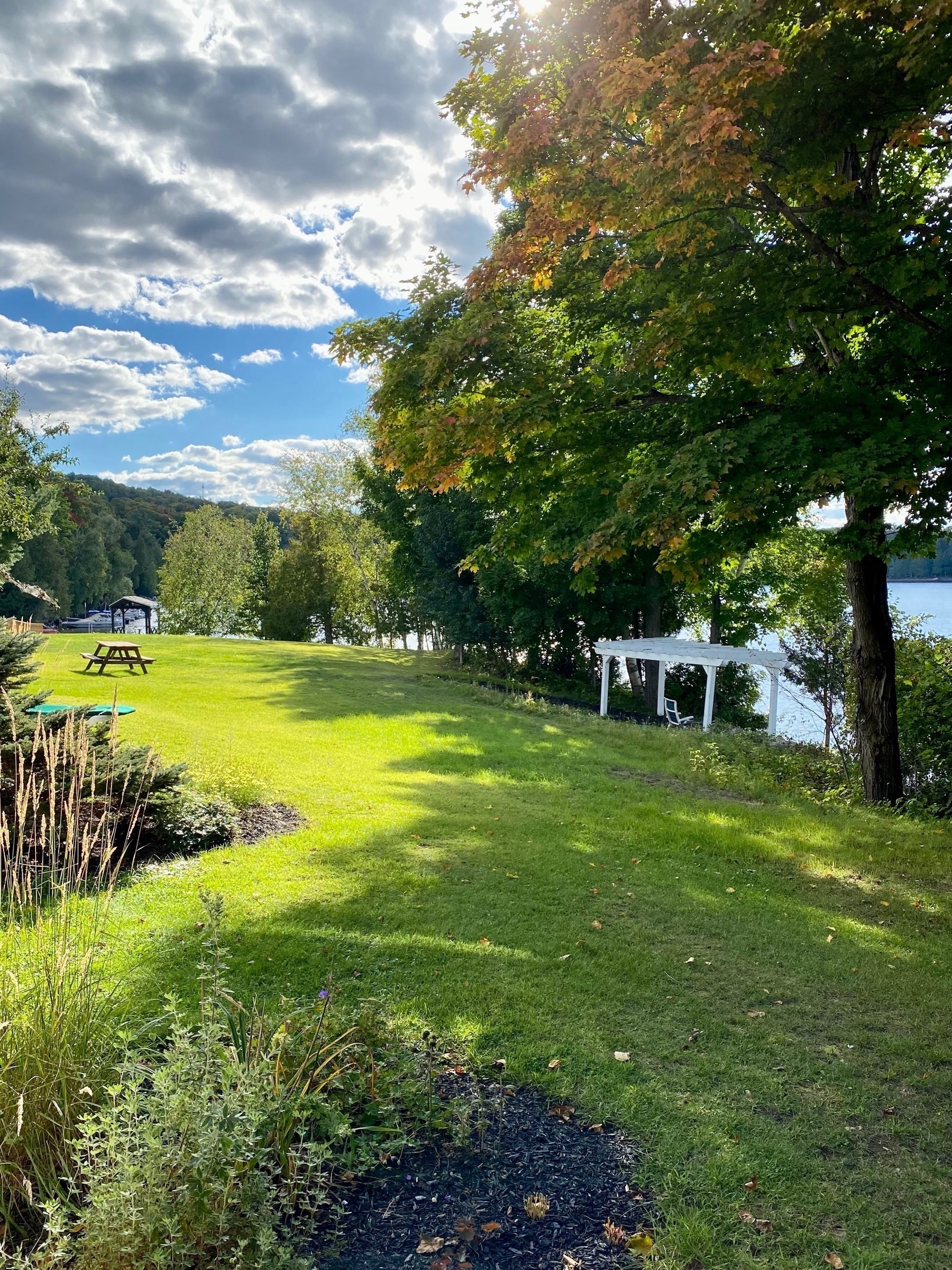
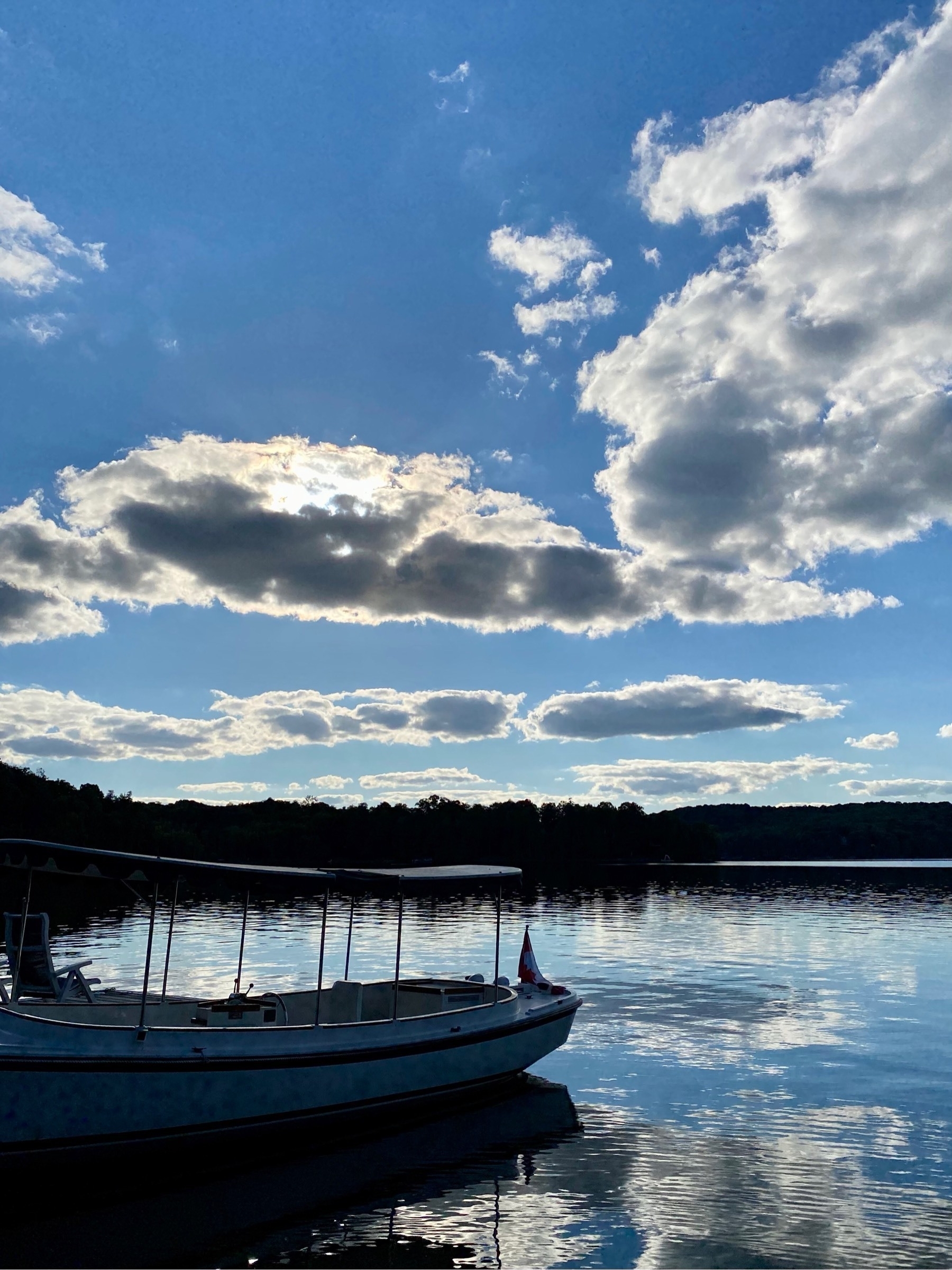
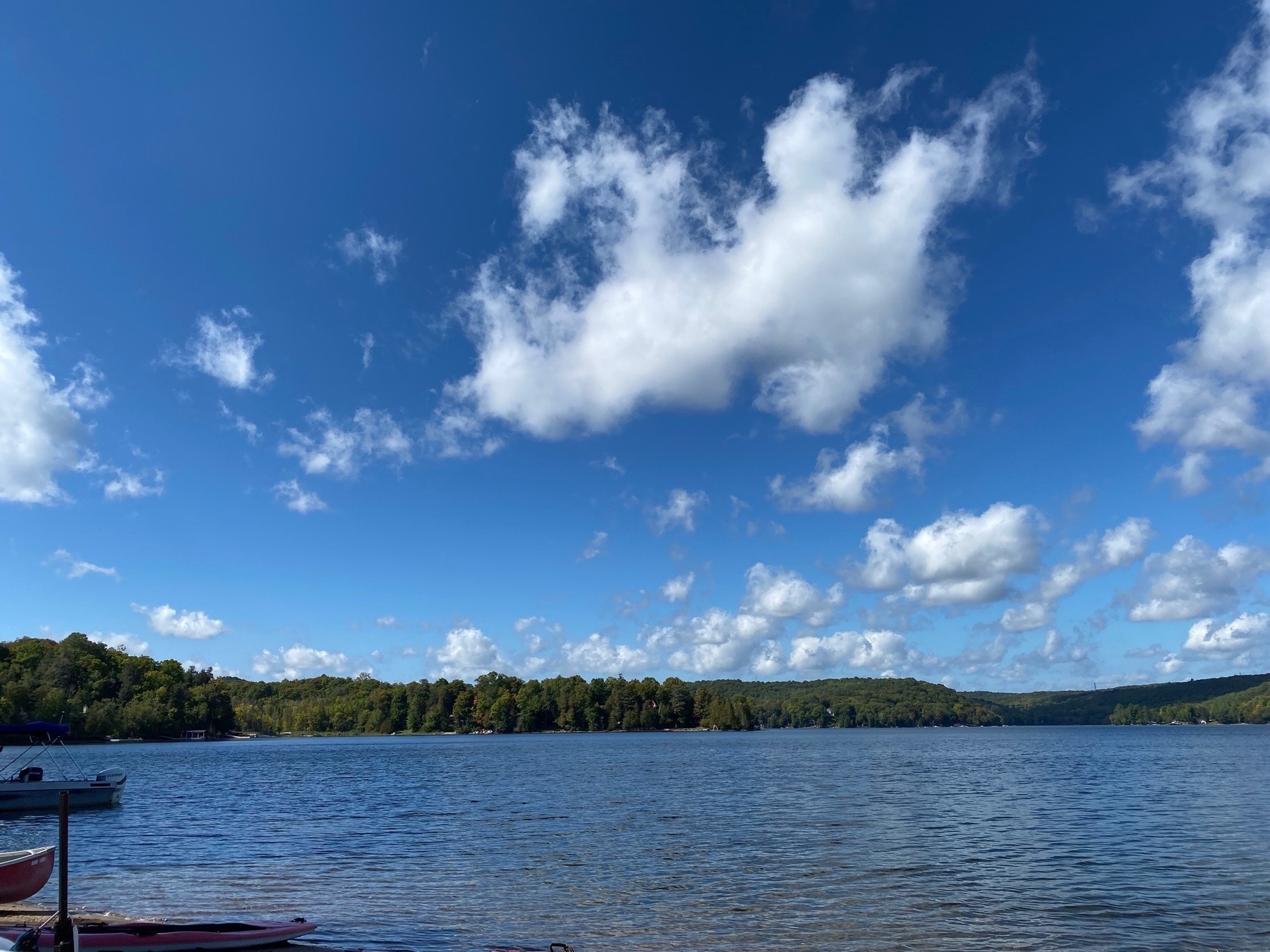
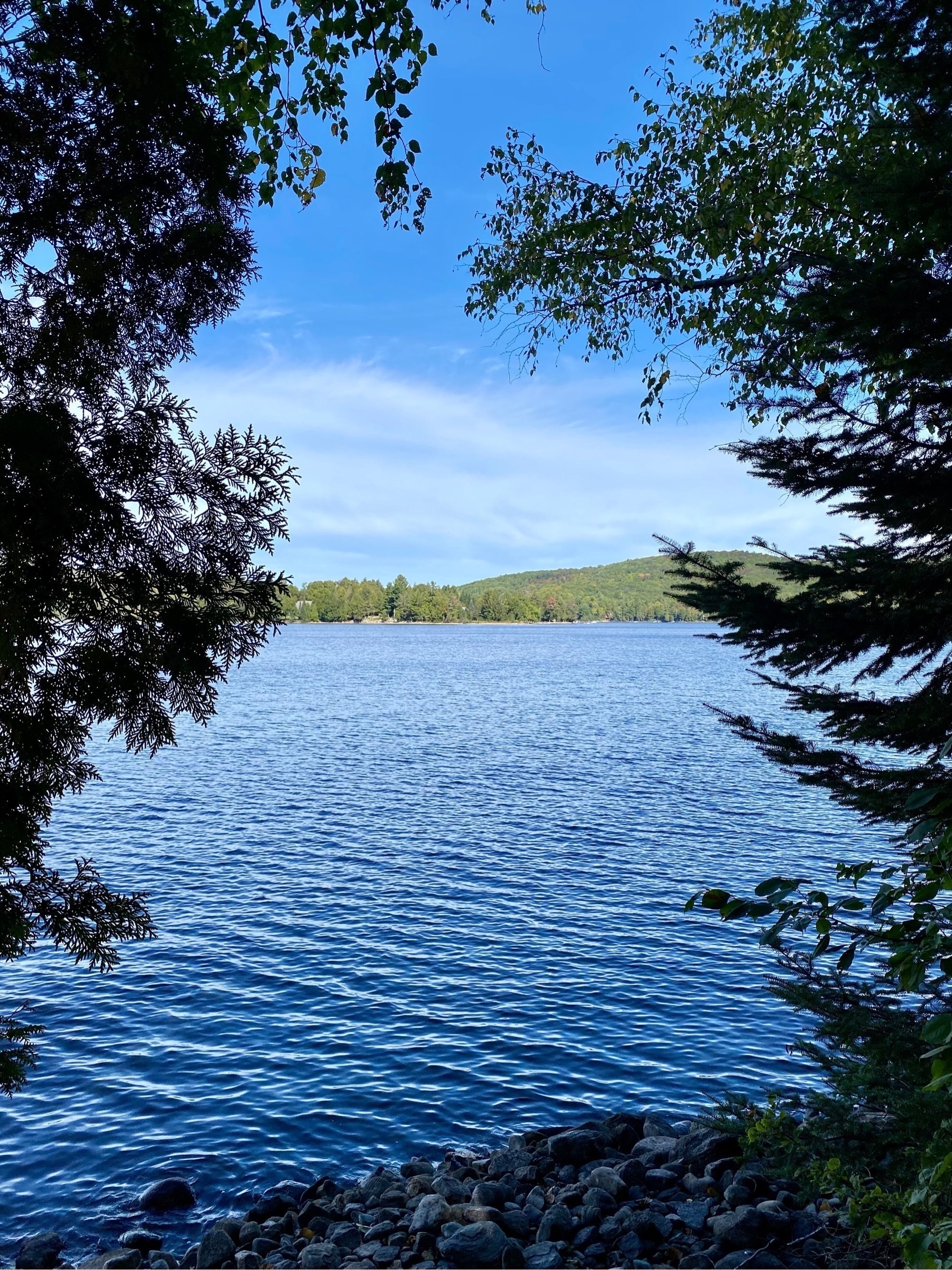
To burn off some of the delicious food, we hiked up to the top of the ski hill through a twisted, 5K path to get a great view over the lake.
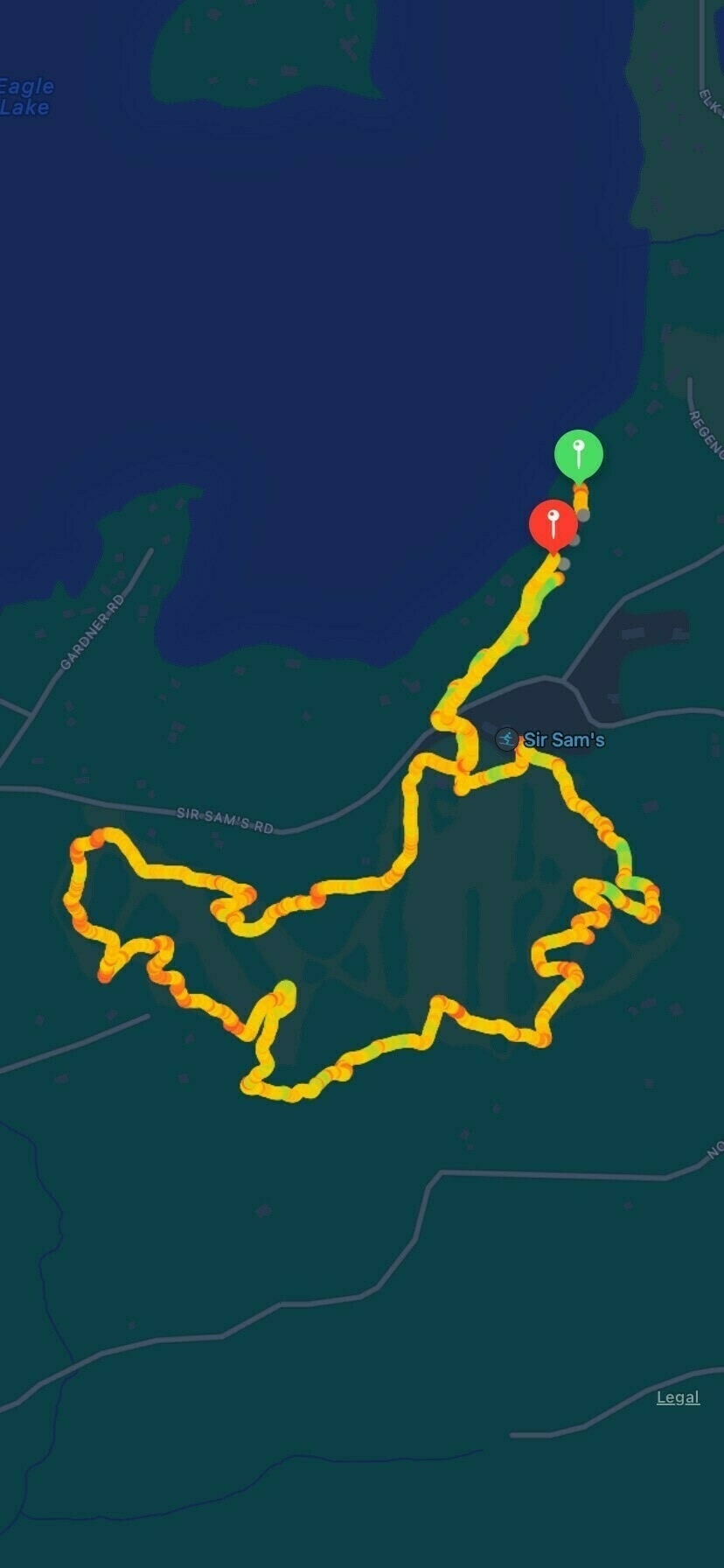

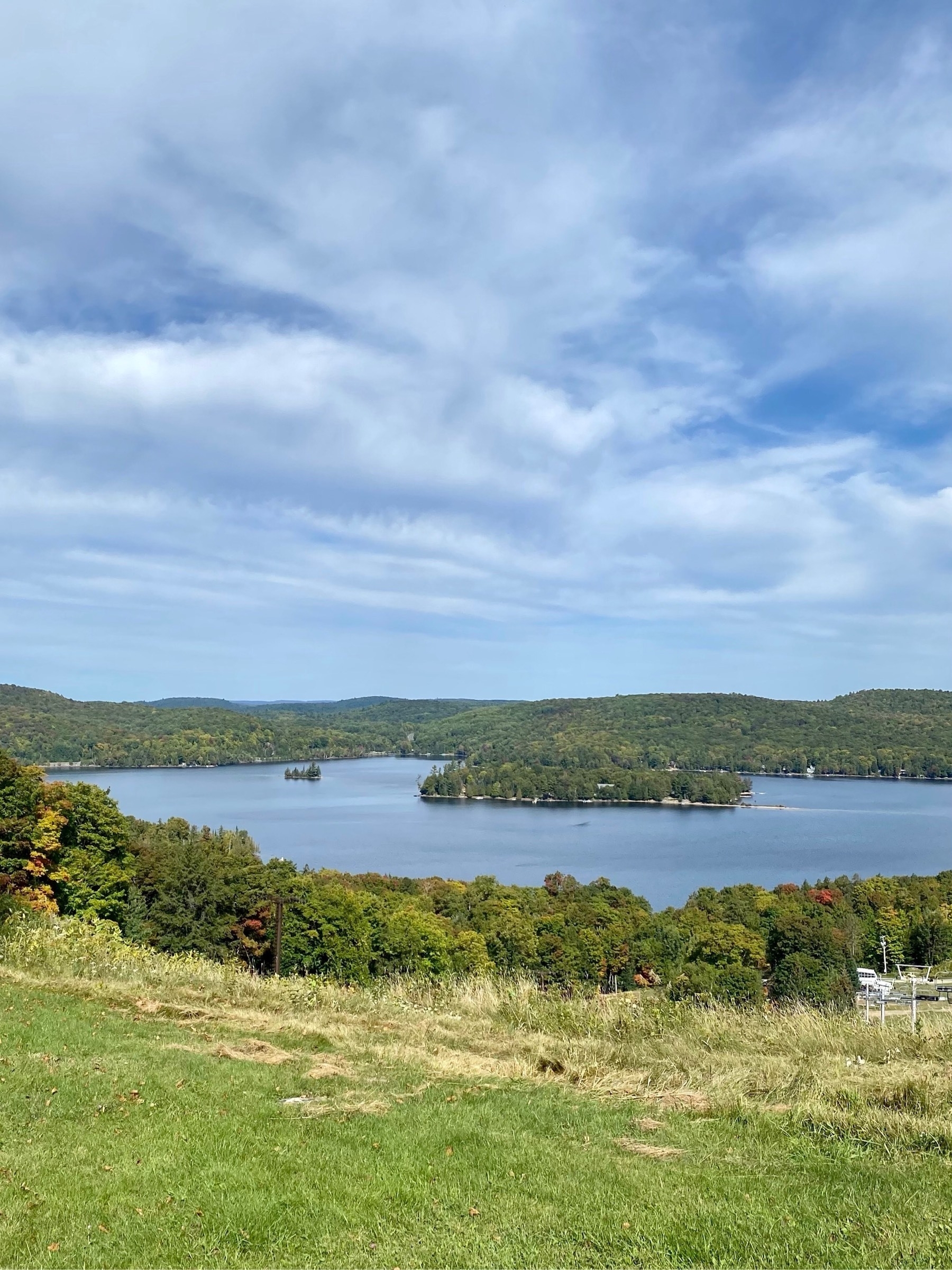
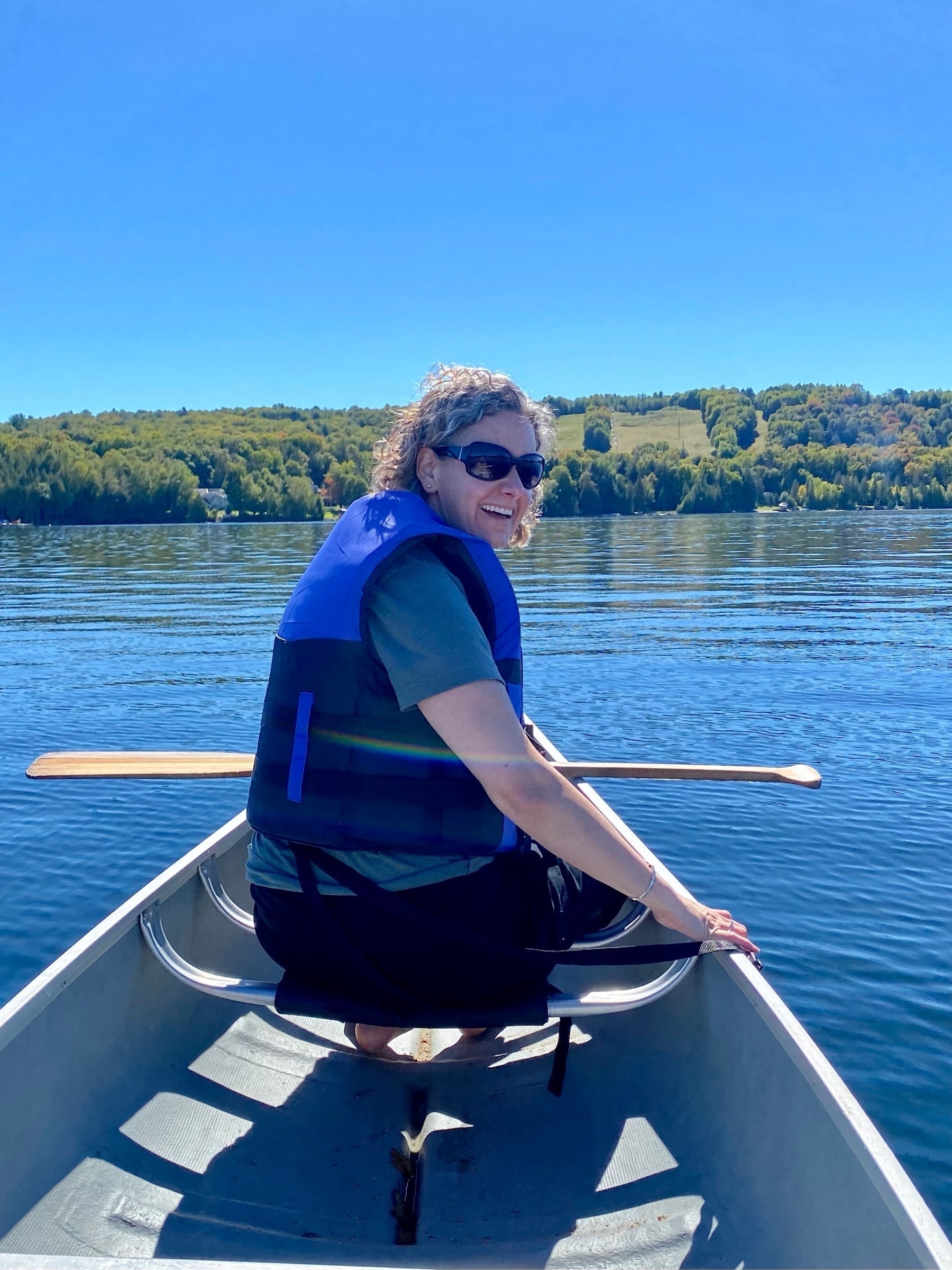
Along with some canoeing on a quiet Eagle Lake.


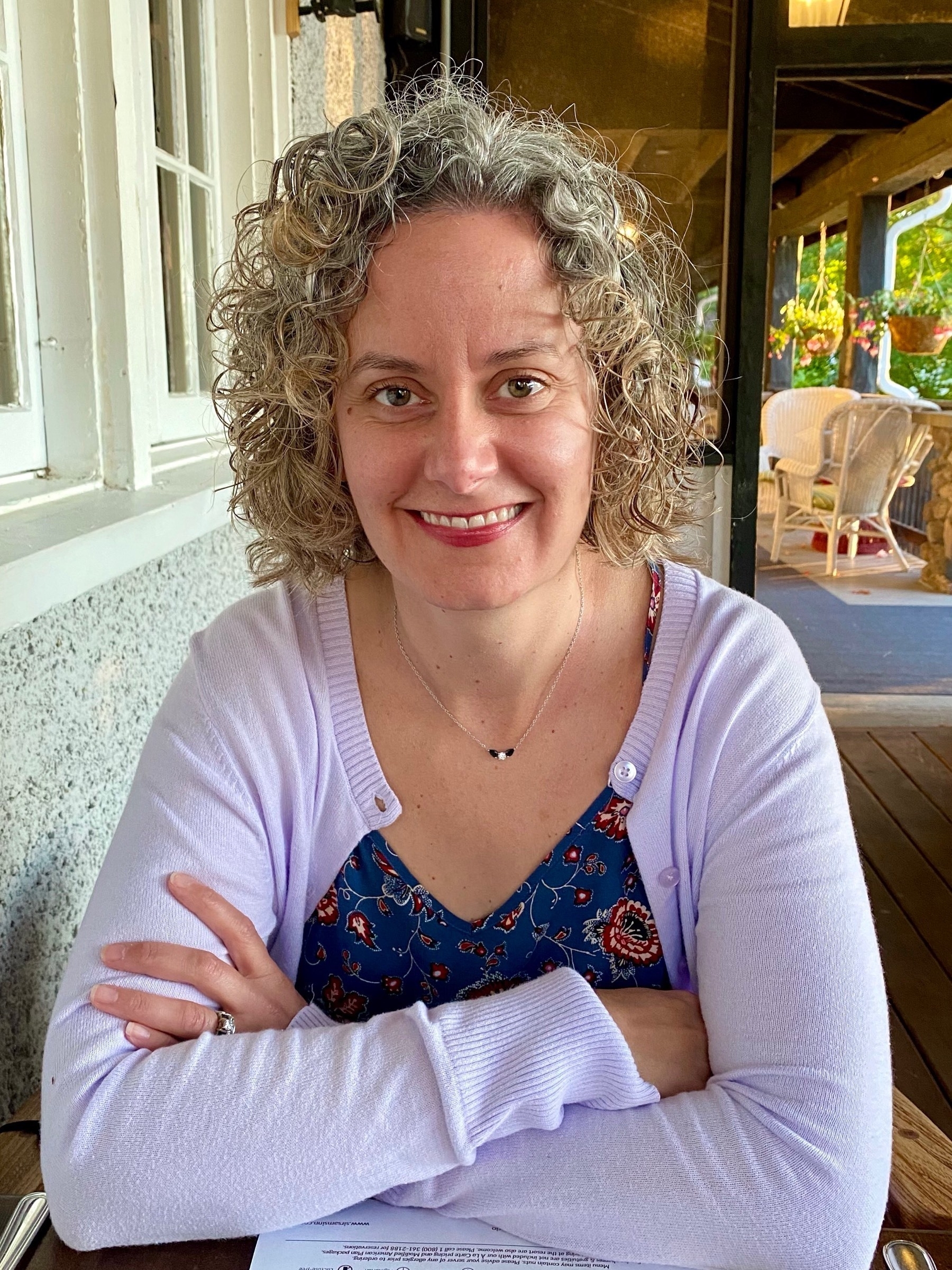
More importantly, we had a chance to reconnect, celebrate our adventures together, and plan for what’s next.
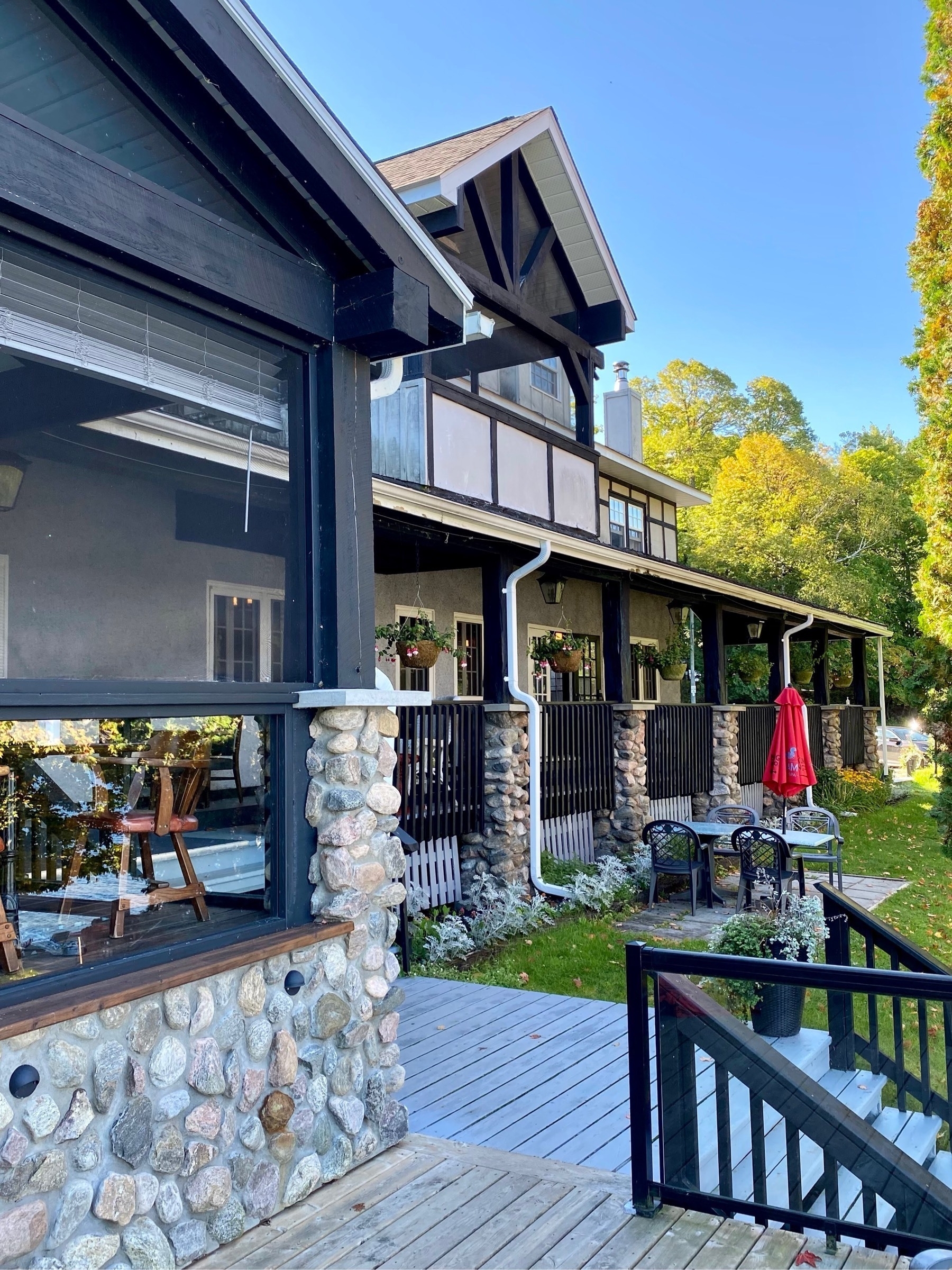
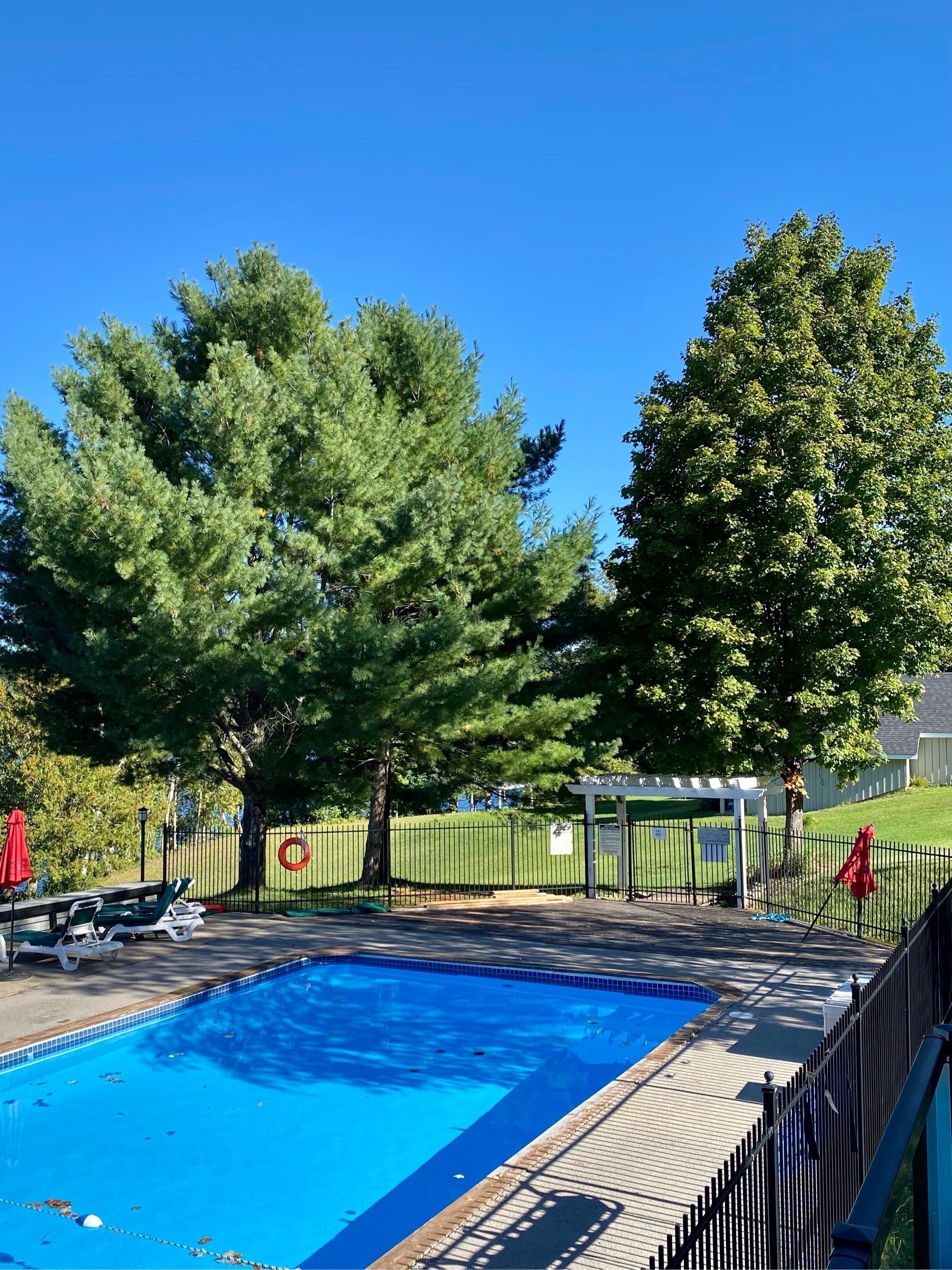
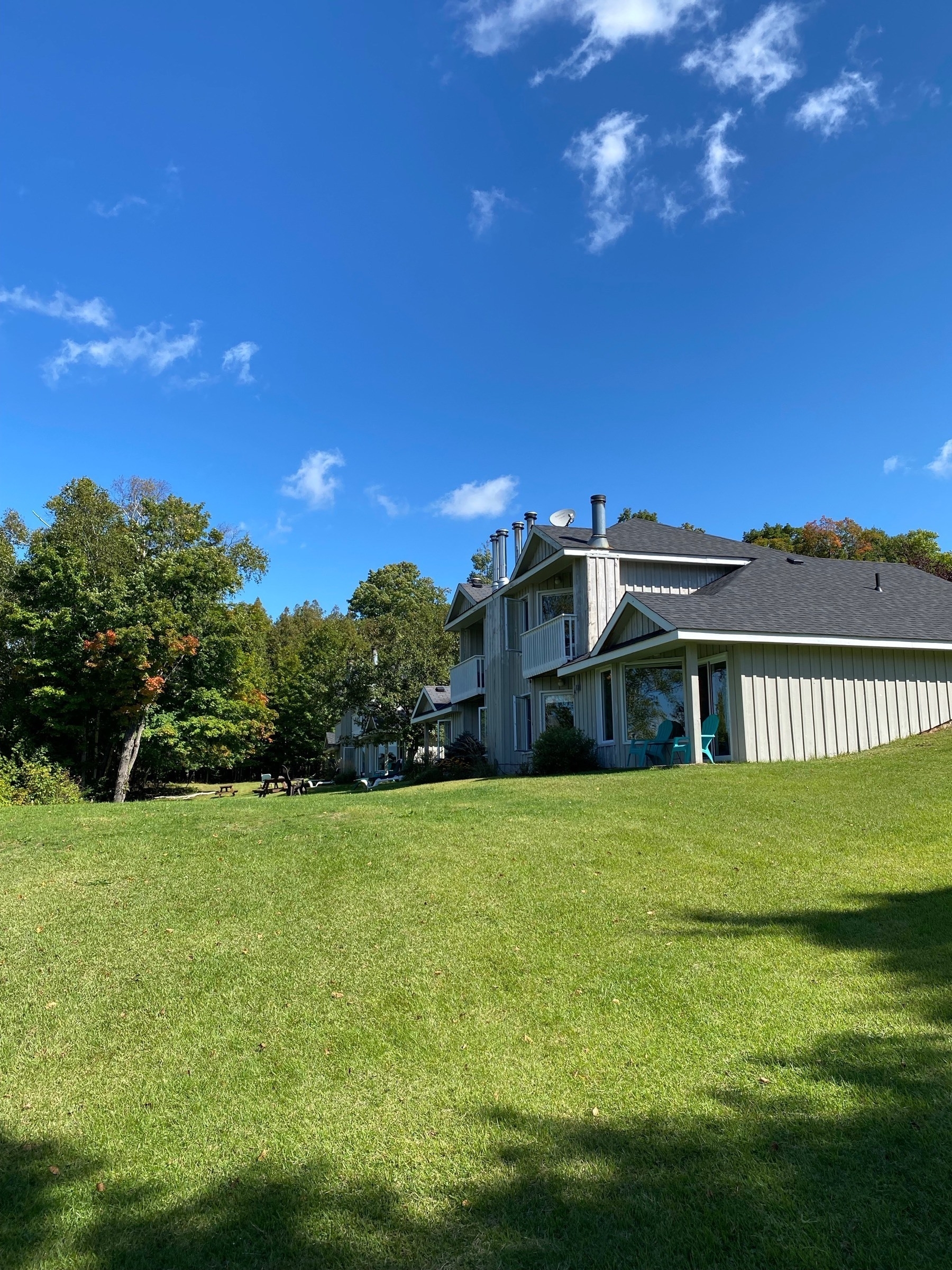
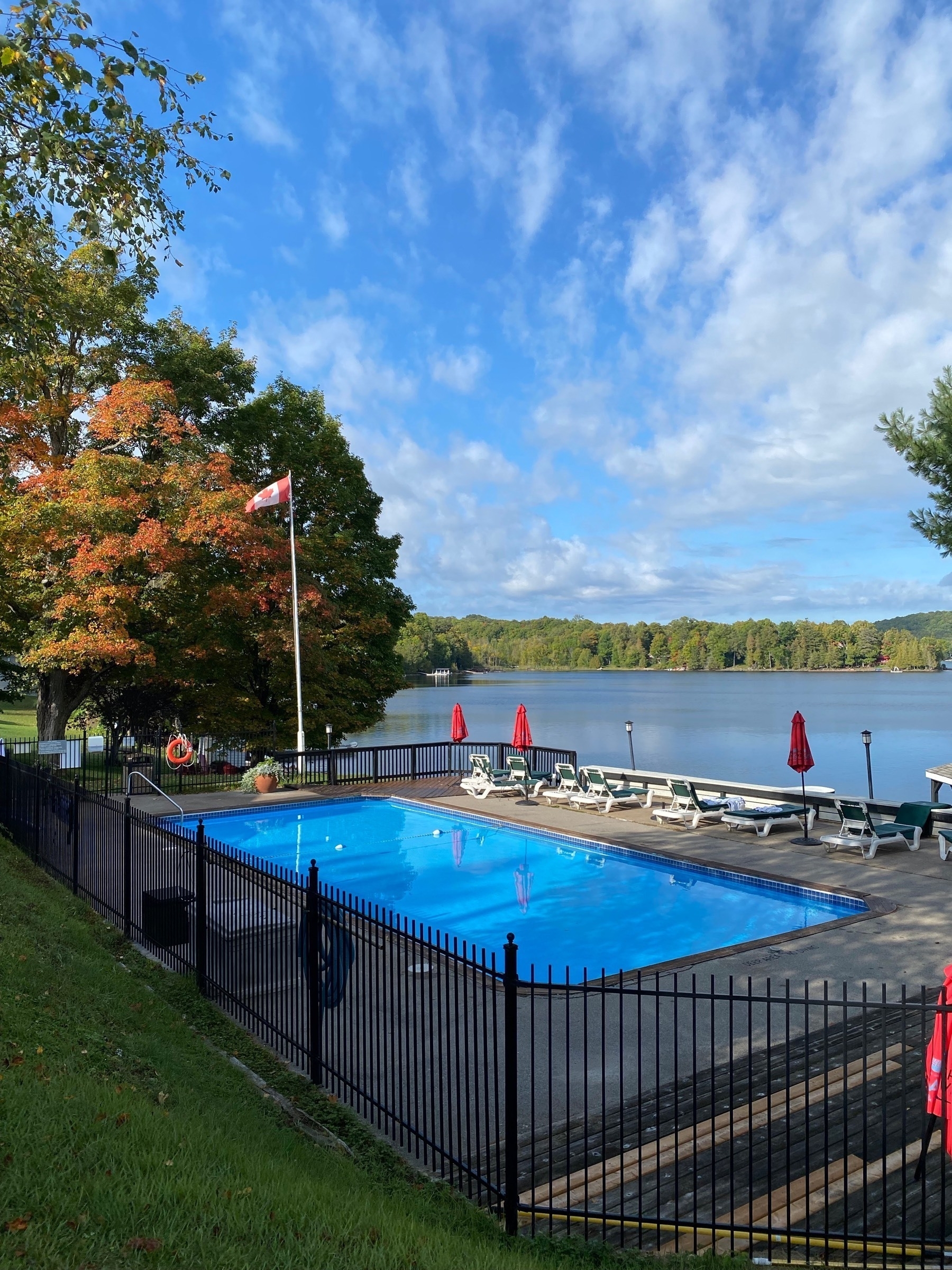
A good reminder to experiment with my coffee setup: How to enjoy coffee | Psyche Guides
Saturday, September 18, 2021 →
Found some tranquility
Saturday, September 18, 2021 →
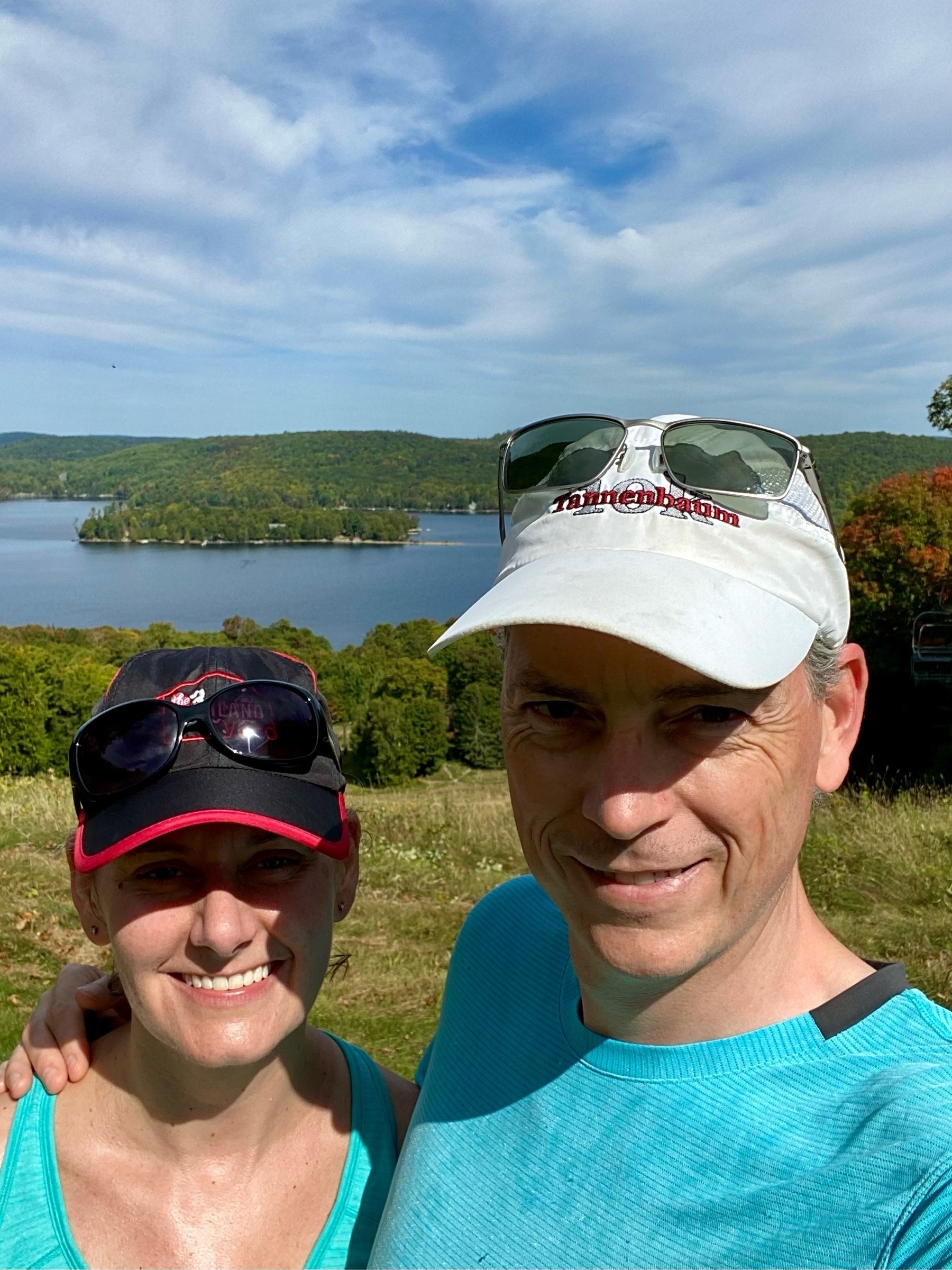
Nice view from a hike to the top of a hill
Currently reading: Fathoms: the world in the whale by 📚
Thursday, September 16, 2021 →
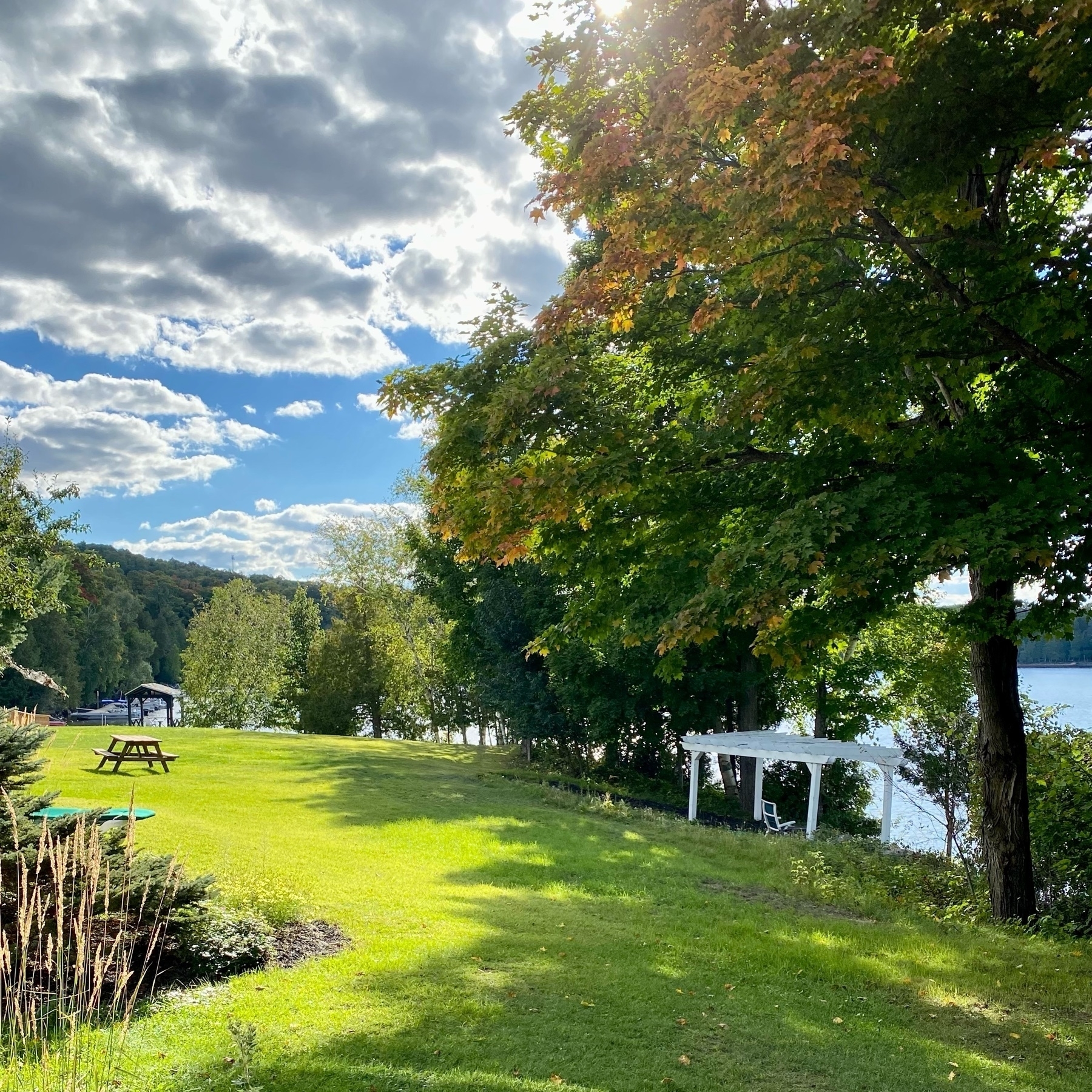
I’ll be hanging out here for the next few days
Wednesday, September 15, 2021 →
Surprising no one here, I’ve realized that I spend far more time thinking about systems for my notes than in actually taking notes.
To add some public accountability, I’m declaring that for the next 3 months I’m only using Apple Notes. This will help me develop a good note taking habit, while also identifying my use cases for later optimization.
Although I’ve been thinking about this for a while, the recent Tools for Thought interview with @AndySylvester and @Chrisaldrich really crystalized the idea.
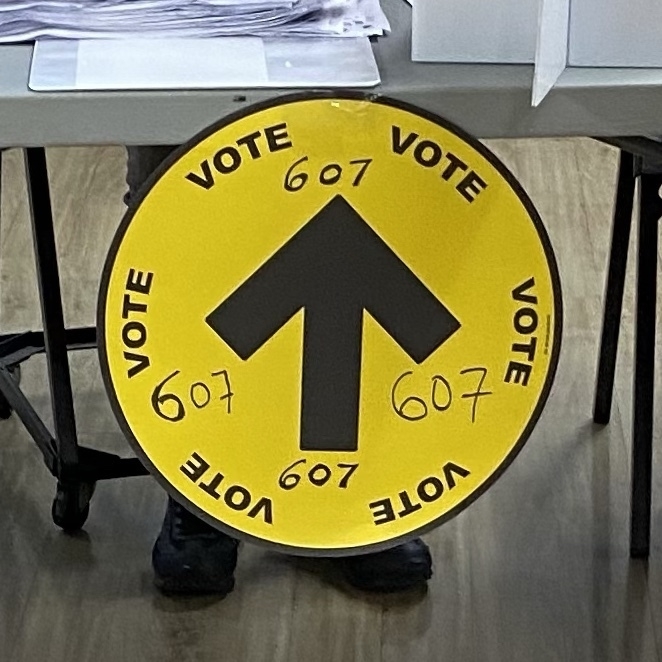
Advanced voting 🇨🇦
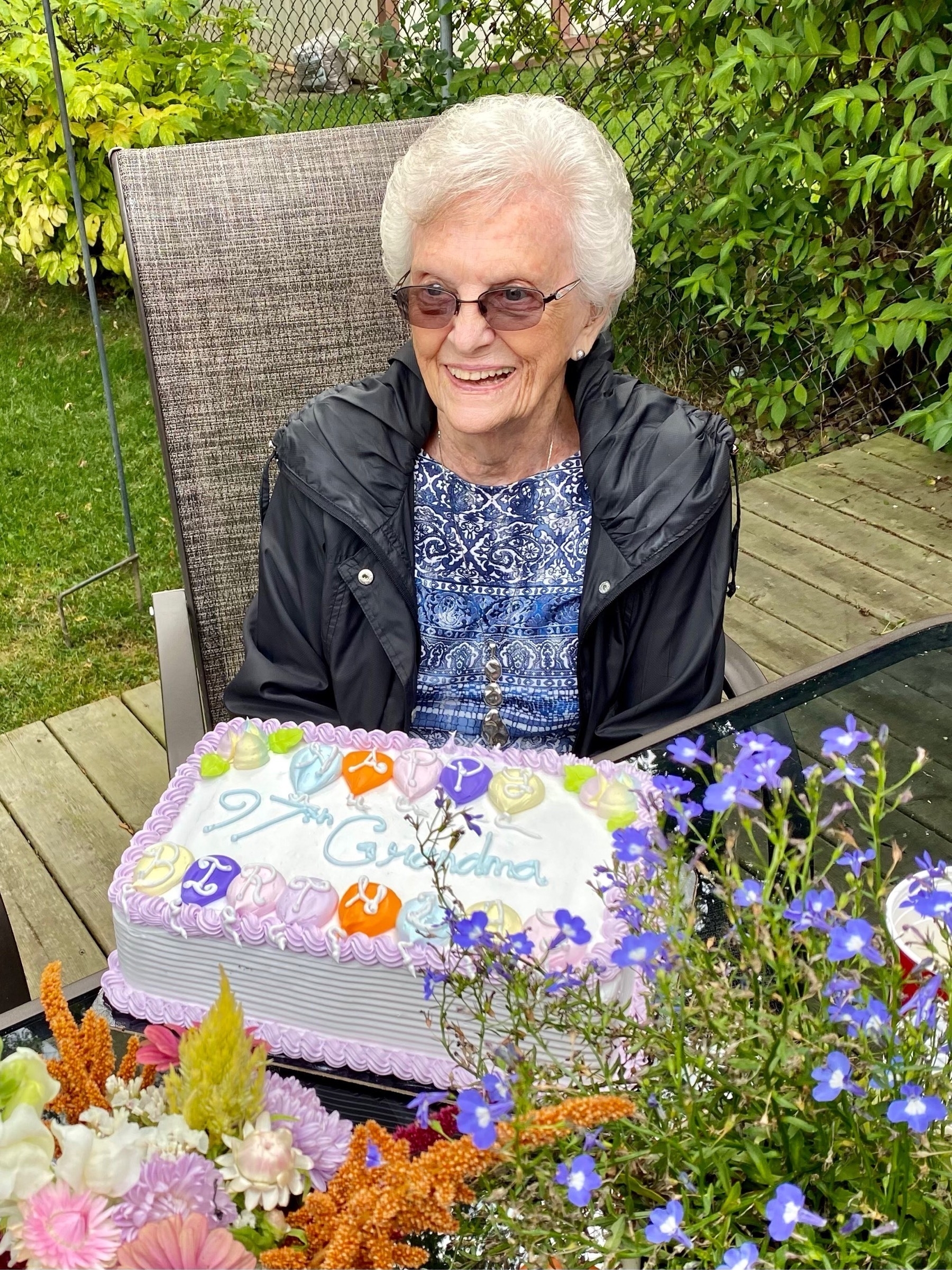
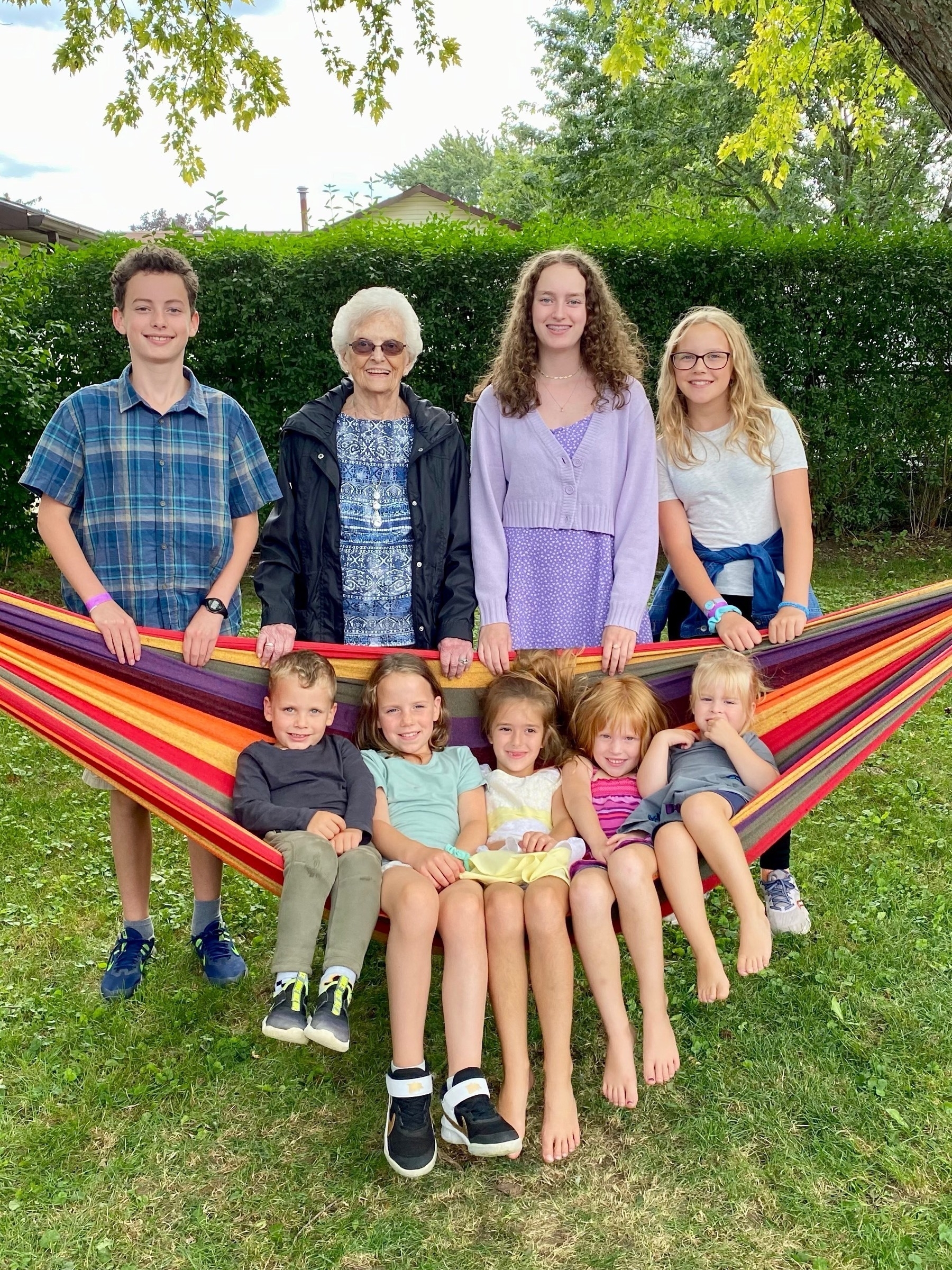
A happy 97th birthday to my wonderful grandmother! Such an inspiration to us all
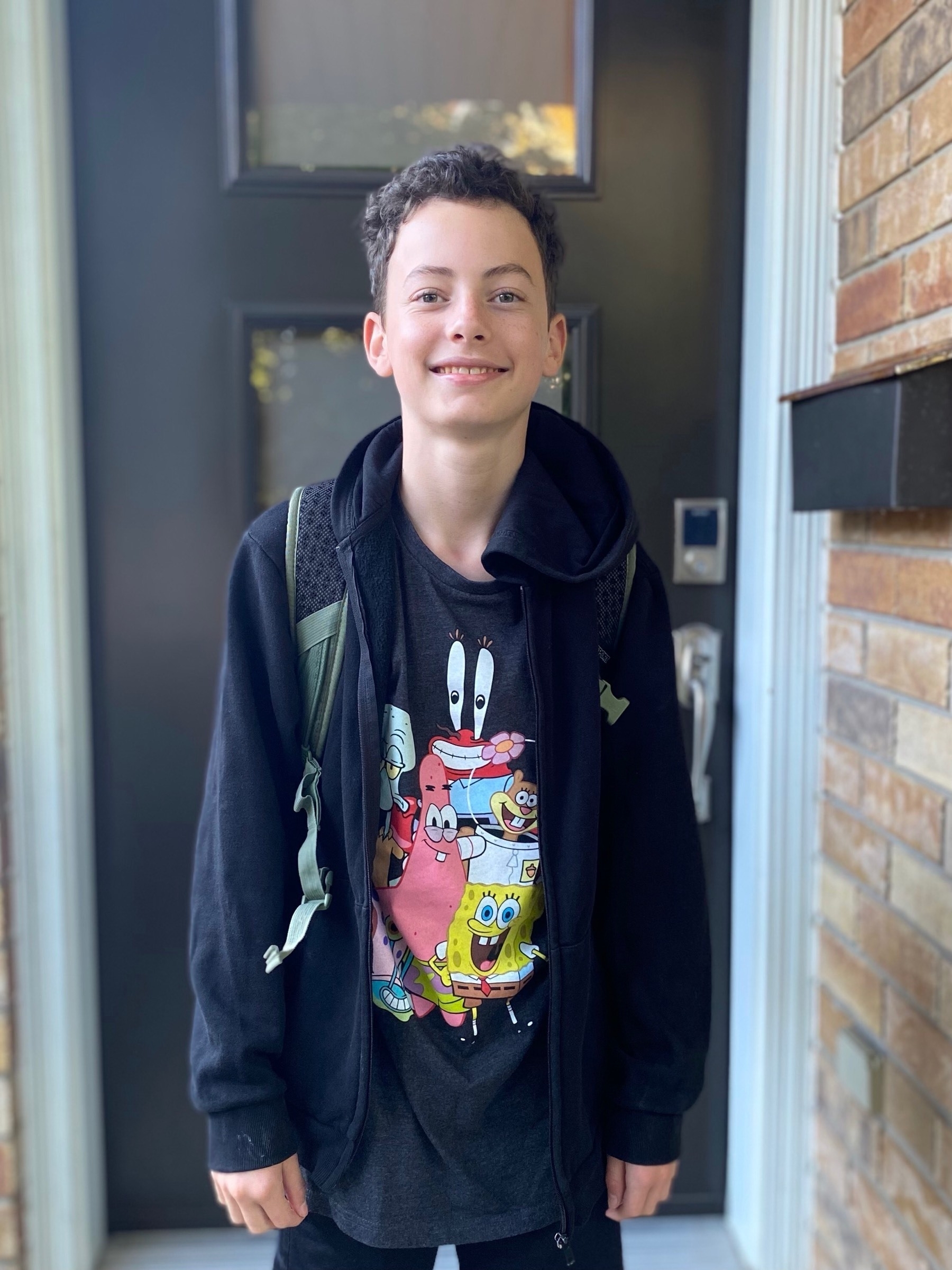
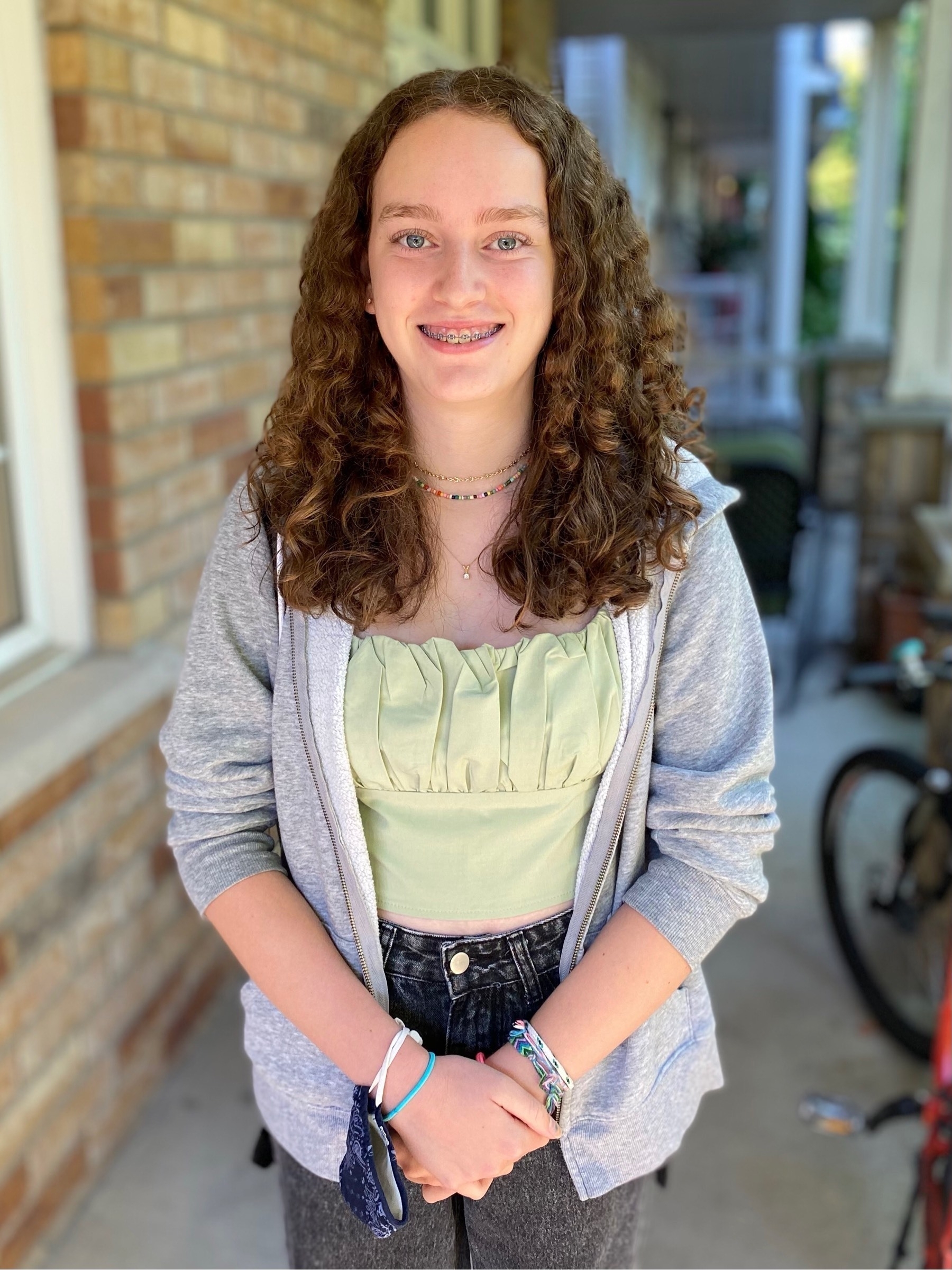
Back to school with a mixture of excitement and nervousness
I certainly wasn’t expecting Nils Frahm’s next album to be a dub record!
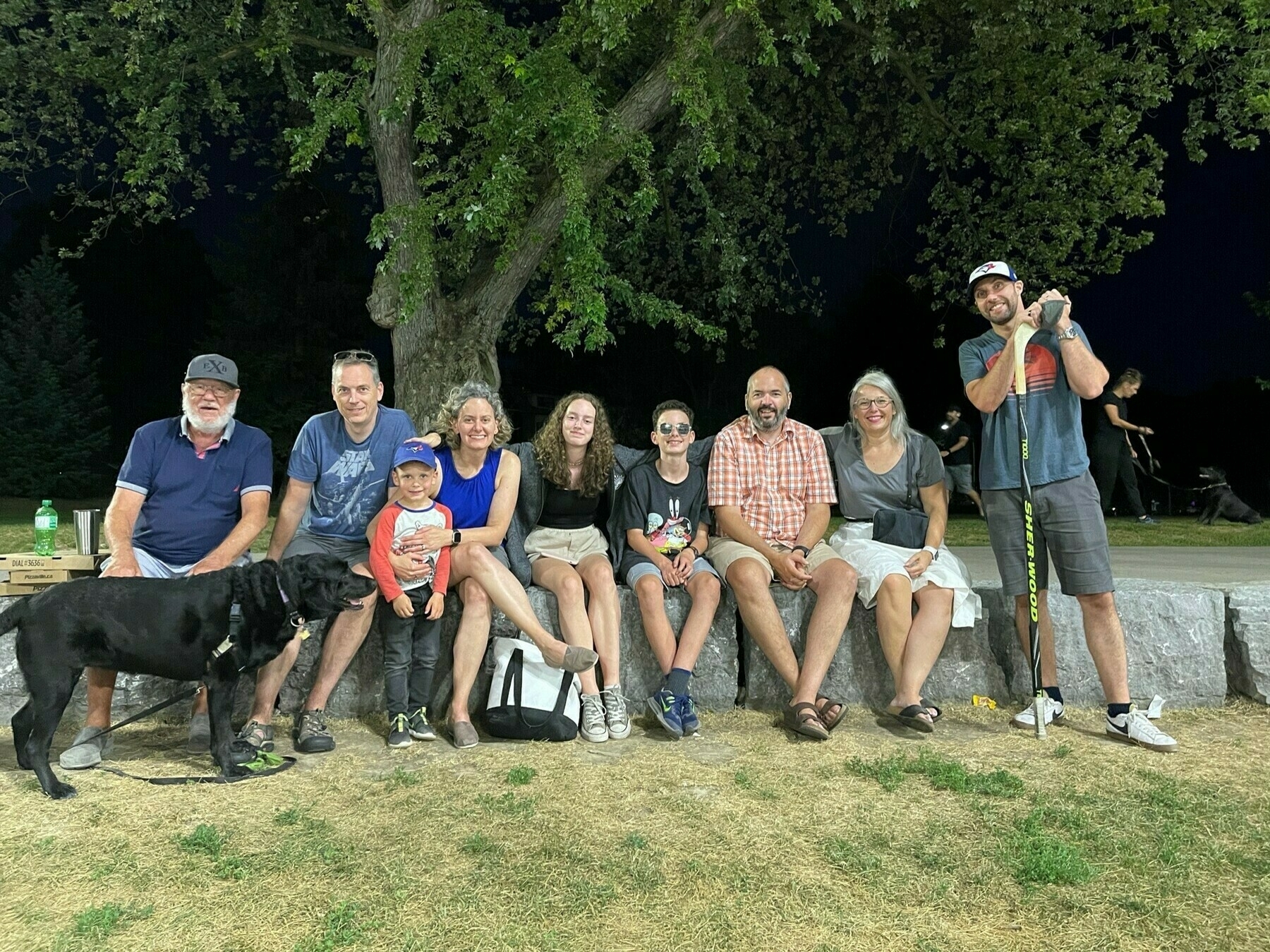
Ball hockey fans
I’m enjoying Watch the Sound With Mark Ronson, a series on music production with episodes on topics like reverb, synthesizers, and sampling
Restocking some essentials 🥃
Currently reading: A Desolation Called Peace (Teixcalaan, 2) by Arkady Martine 📚
I really enjoyed Salvation by Peter F. Hamilton (book 1 of the Salvation Sequence trilogy). A fun blend of sci-fi, detective novel, and alien invasion with a cliffhanger ending📚
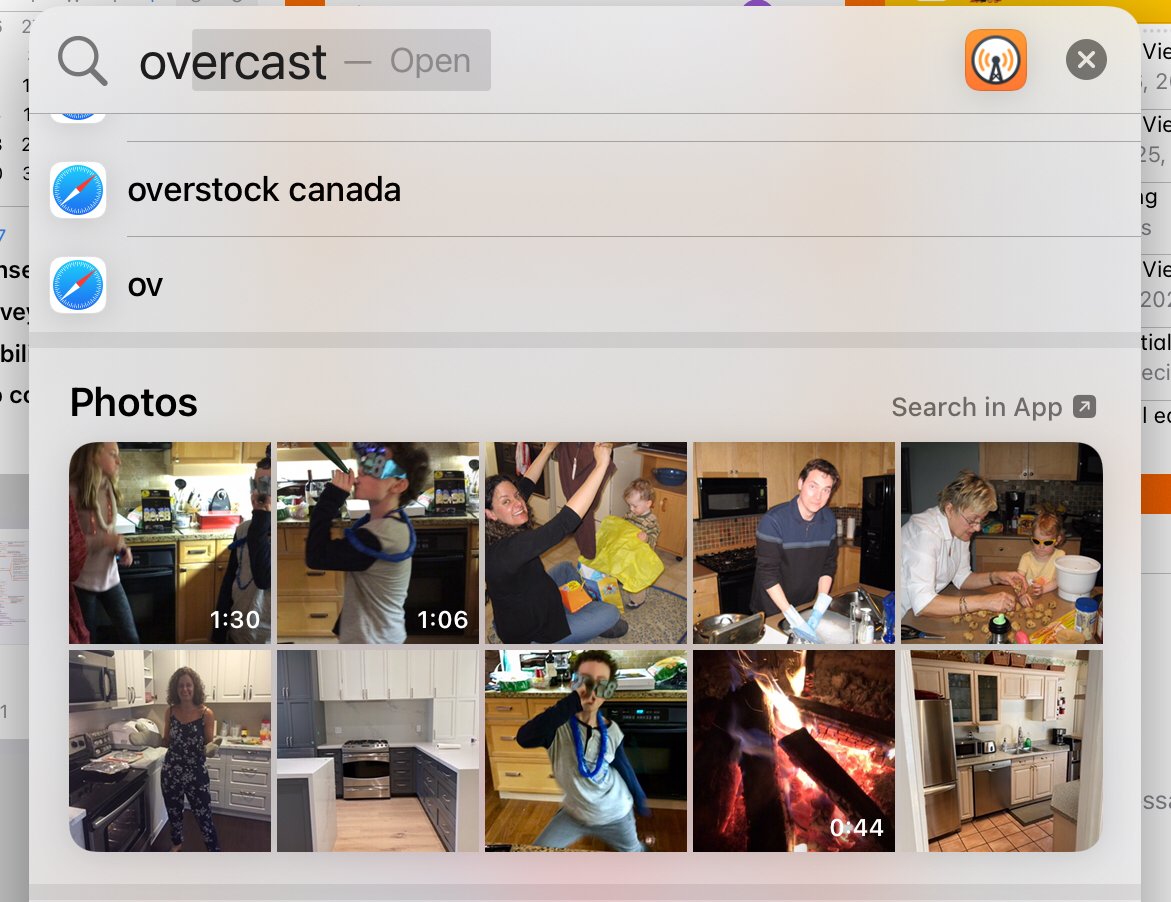
A new game on the iPad: try to guess what term Photos is searching for in Spotlight. Here’s an example where I’m launching Overcast and Photos has used “ov” to find pictures of ovens. This has actually been a great way to uncover how much more sophisticated Photos has become.
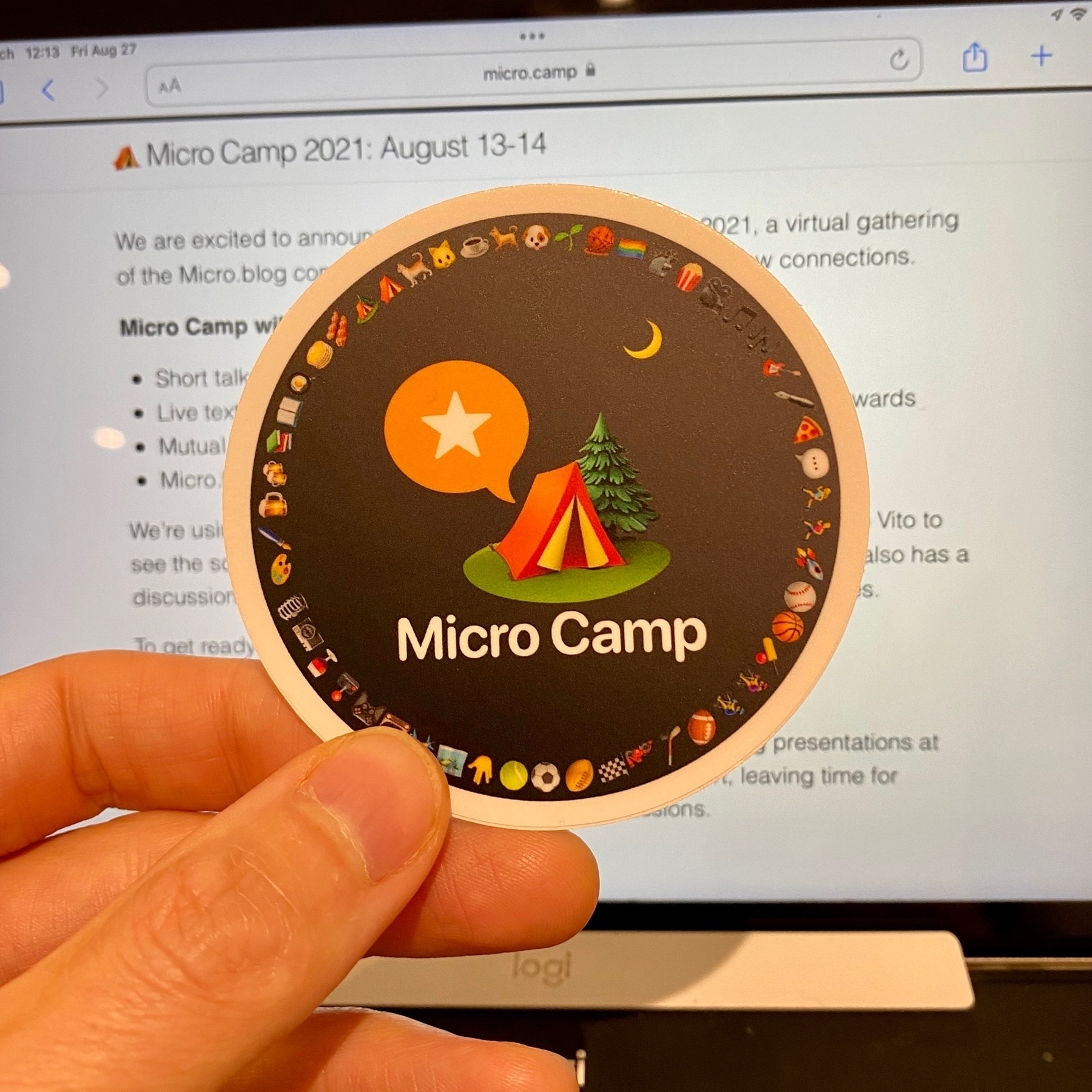
My Micro Camp sticker has arrived and looks great! Thanks @burk!
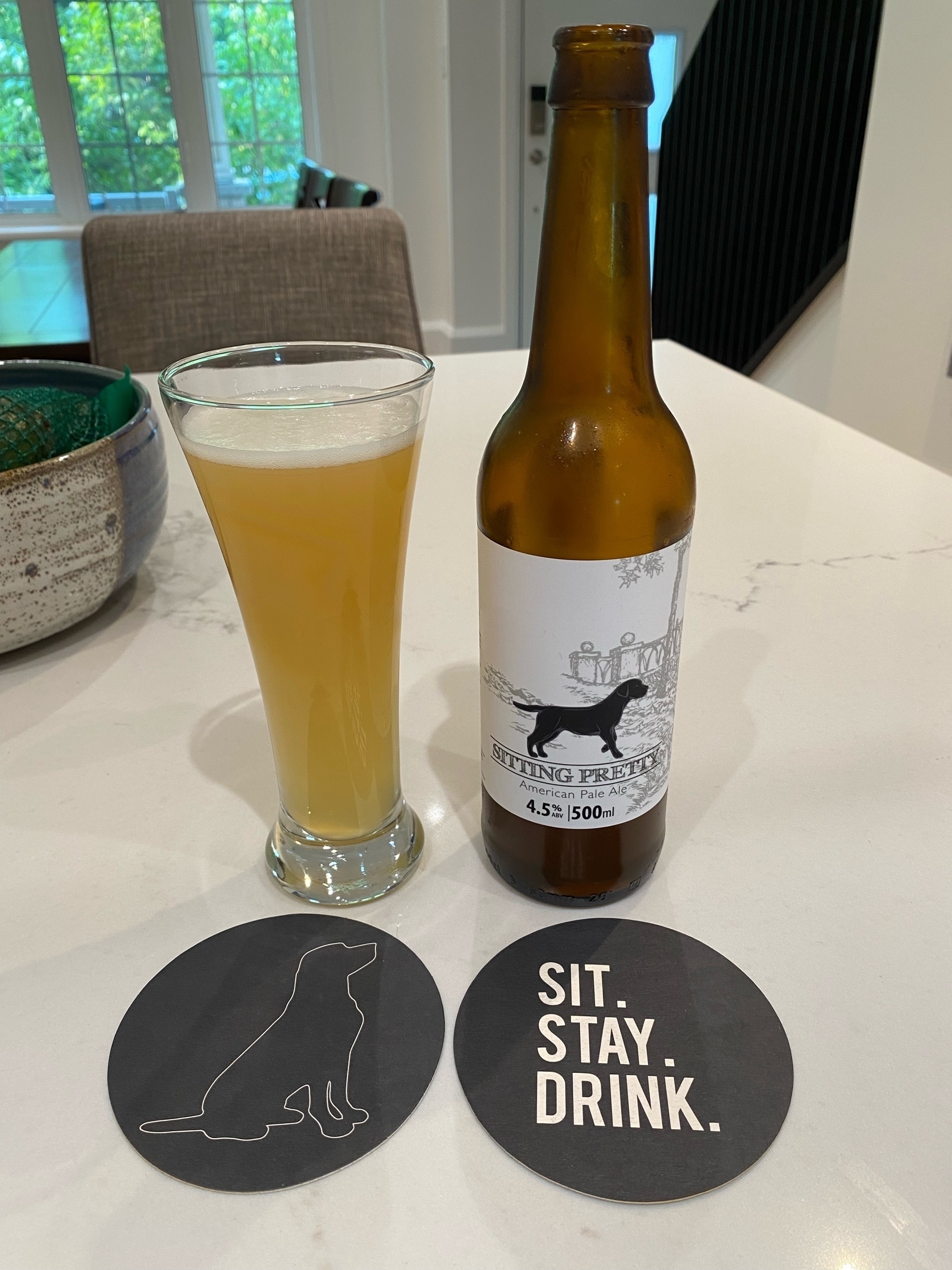
Black Lab Brewery has some great beers, plus I enjoy the branding
Our epistemic crisis is essentially ethical and so are its solutions
Before you know it, people have starkly different views on the matter, and their views are based on perfectly solid research. The point here is not that we can’t know anything, it’s simply that the world is a complex place, and that the search for simplicity is very often what gets us into trouble. For scholars, the most important thing is to strive to present their work in a way that’s as objective as possible (accuracy), and to present a range of reasonable results wherever possible, giving the fullest possible picture (sincerity).
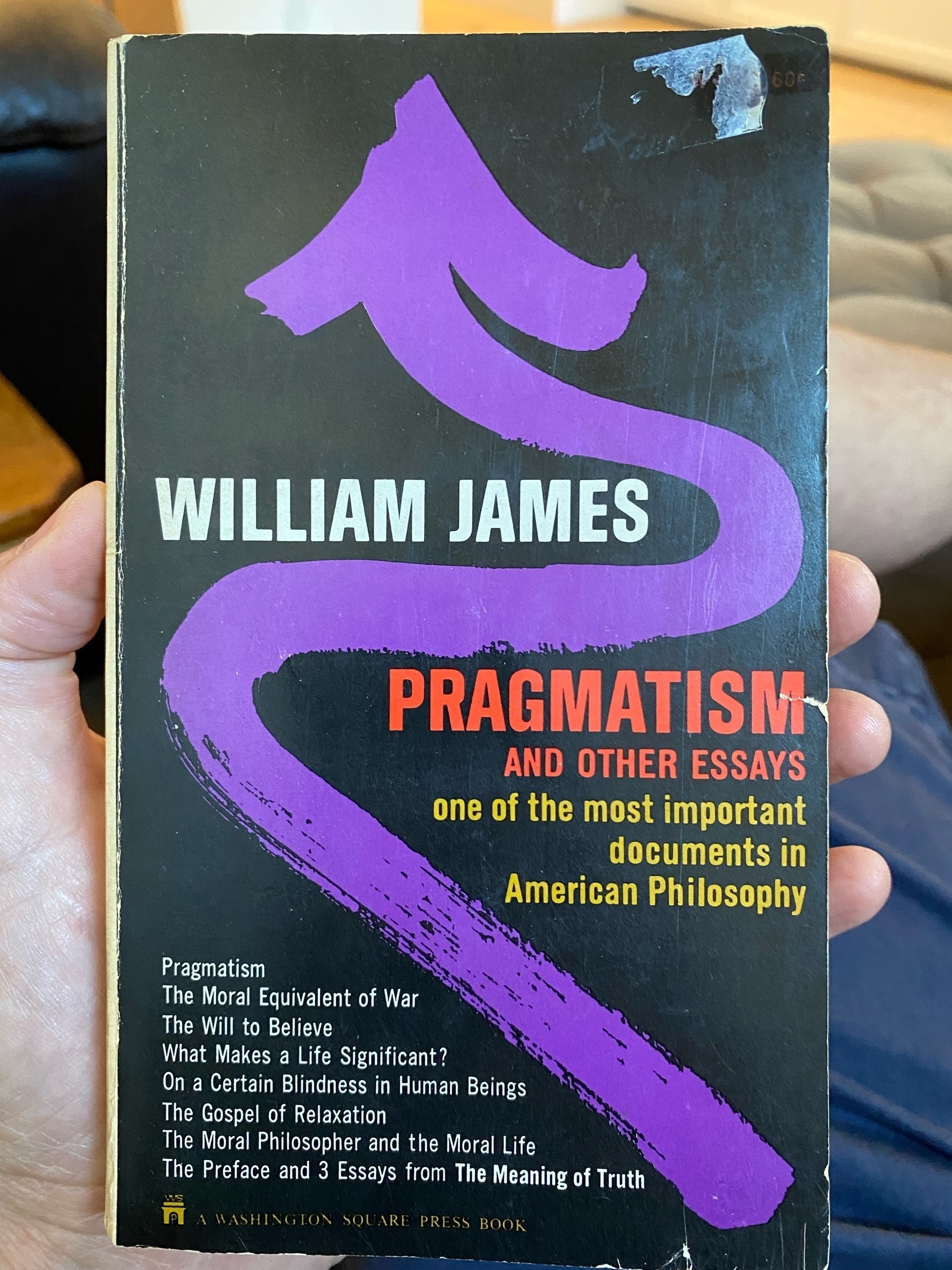
This book caught my eye at the local used bookstore: Pragmatism and Other Essays by William James 📚

Fire Season: Field Notes from a Wilderness Lookout by Philip Connors is an interesting mix of reflections on solitude, the importance of conservation, and American history 📚
Although I only caught day 2 of Micro Camp 2021 live, I really enjoyed the talks. I’ll catch up on day one in a couple of days.
Currently reading: Fire Season: Field Notes from a Wilderness Lookout by Philip Connors 📚

Excession by Iain M. Banks is a great read with a fun mix of space opera, humour, morality, and mystery 📚