🚴 Despite the high winds, cold temperatures, and occasional rain, I was glad to get outside for today’s ride
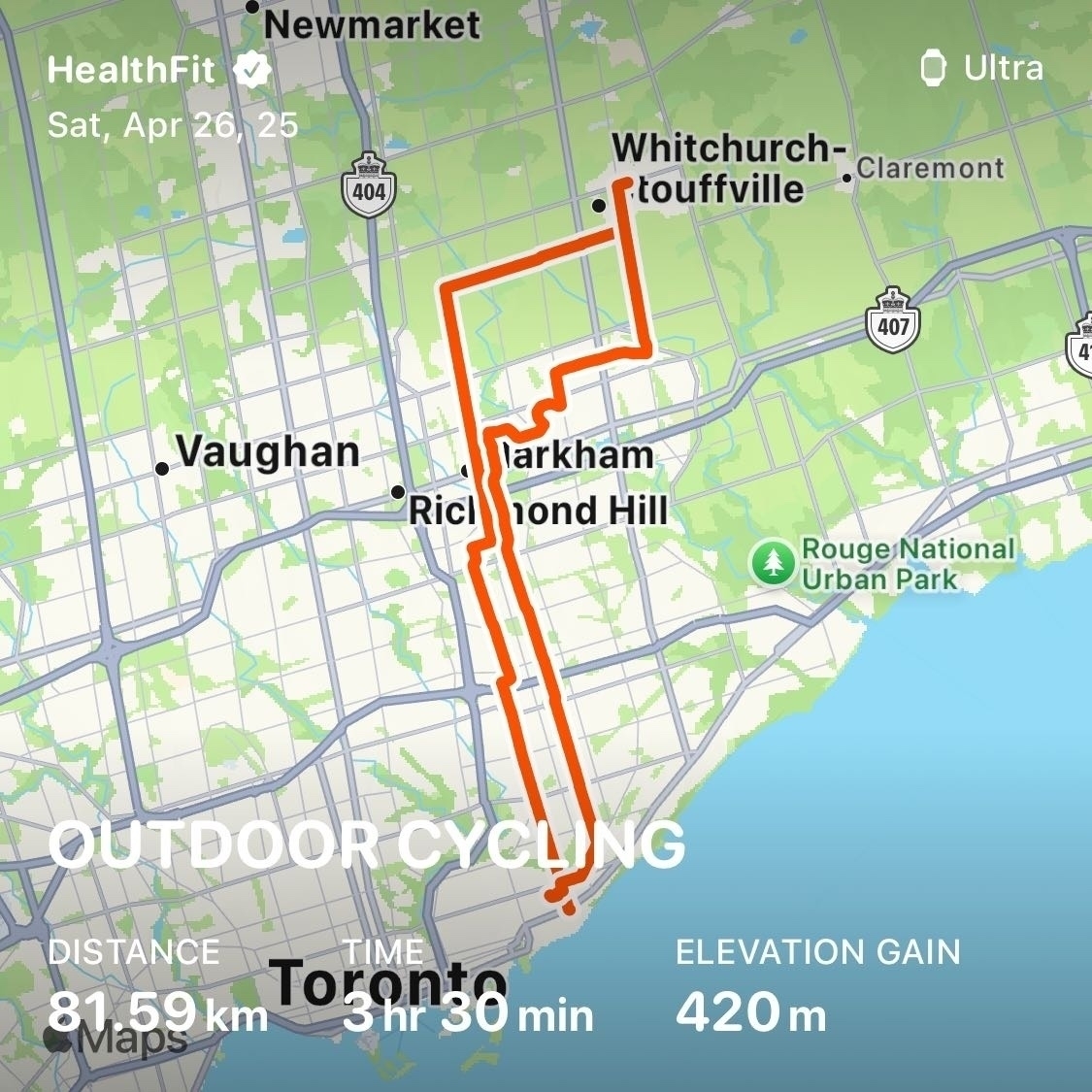
🚴 Despite the high winds, cold temperatures, and occasional rain, I was glad to get outside for today’s ride
🚴 Planning for the first outdoor bike ride of the season tomorrow. So, wandering the house trying to find all the gear. Note to self for next year: put it all together in a box for storage
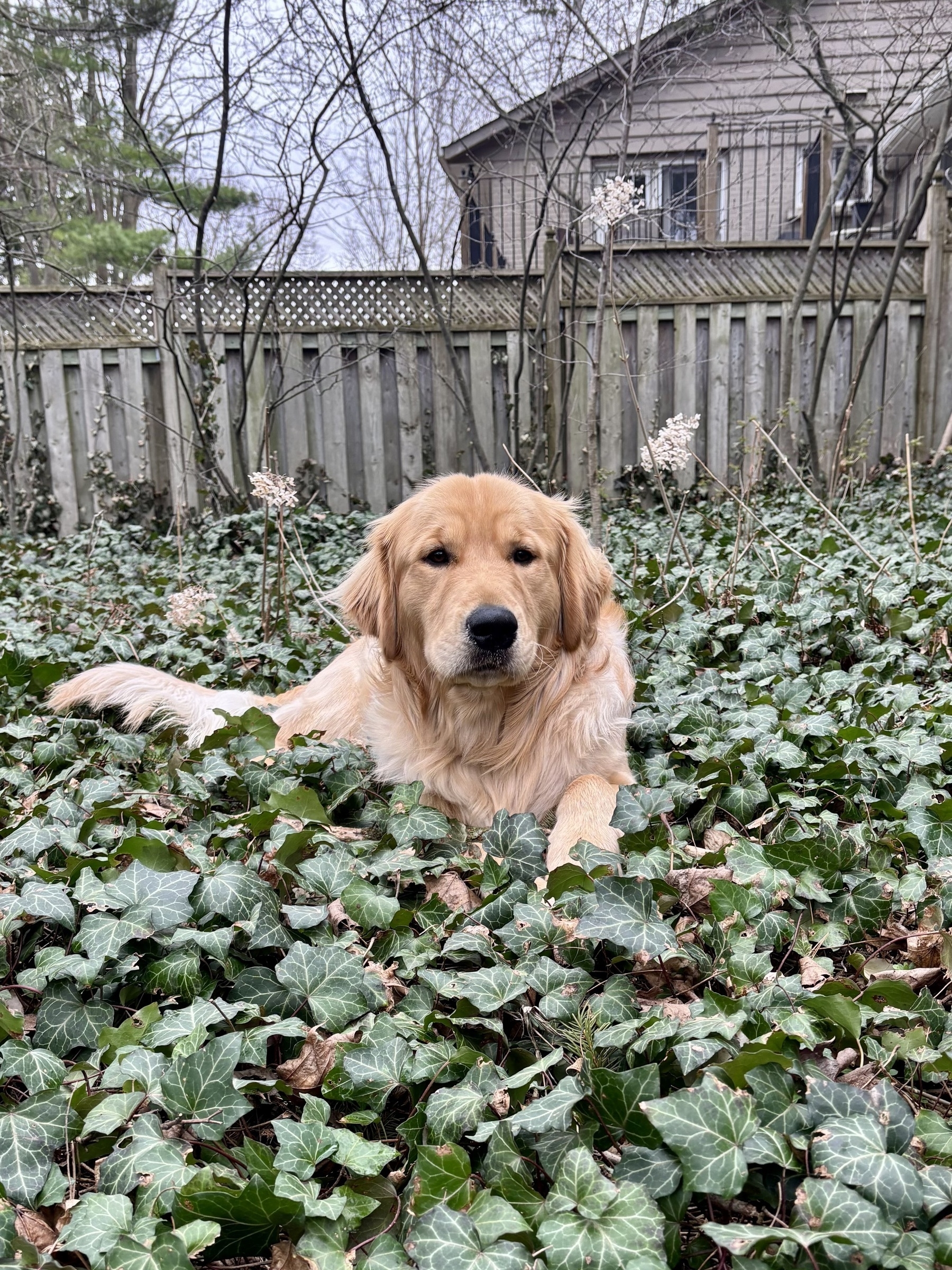
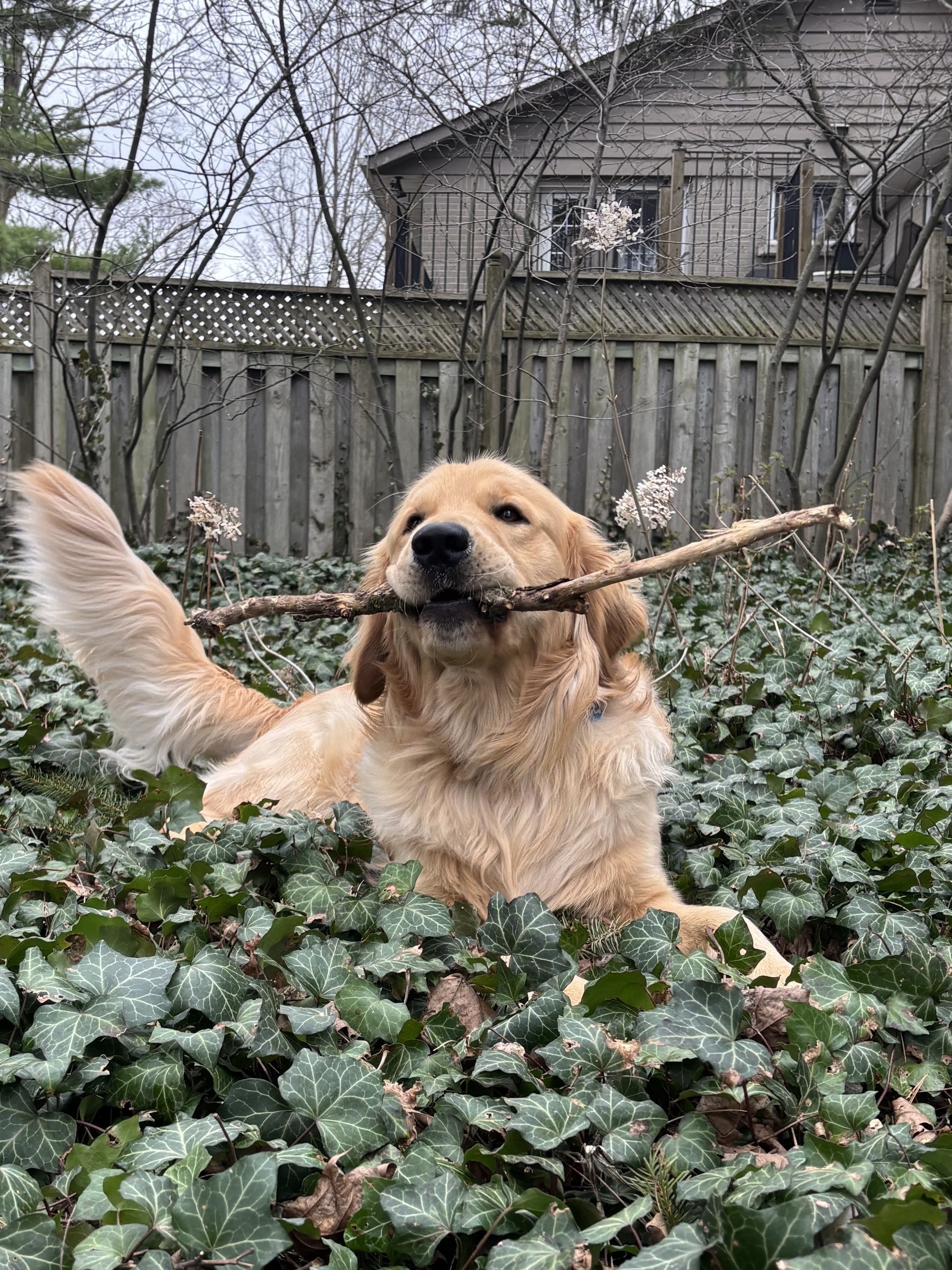
George is enjoying this spring weather
🏃♂️ I don’t have a bike at the in-law’s. So out for another run
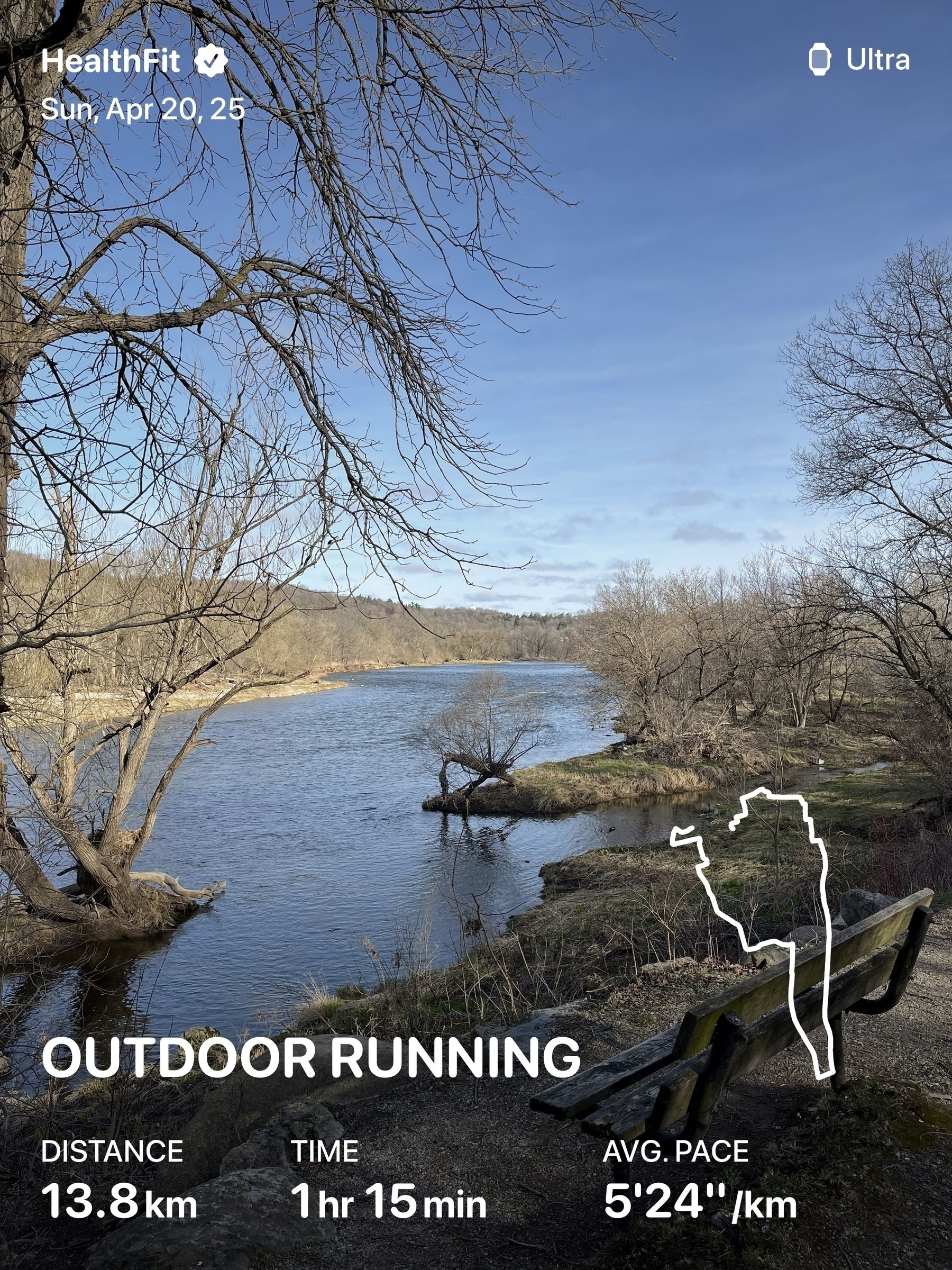
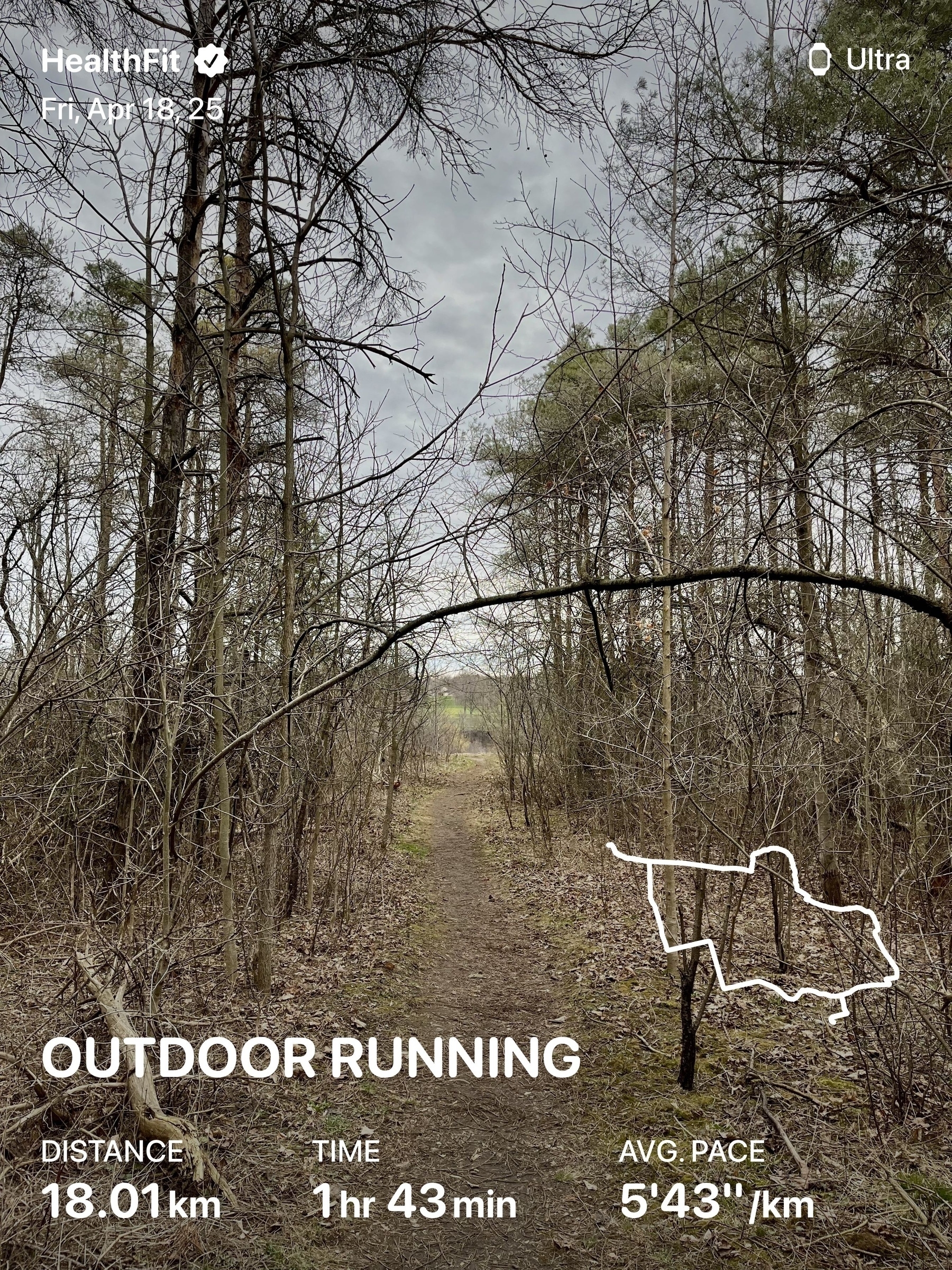
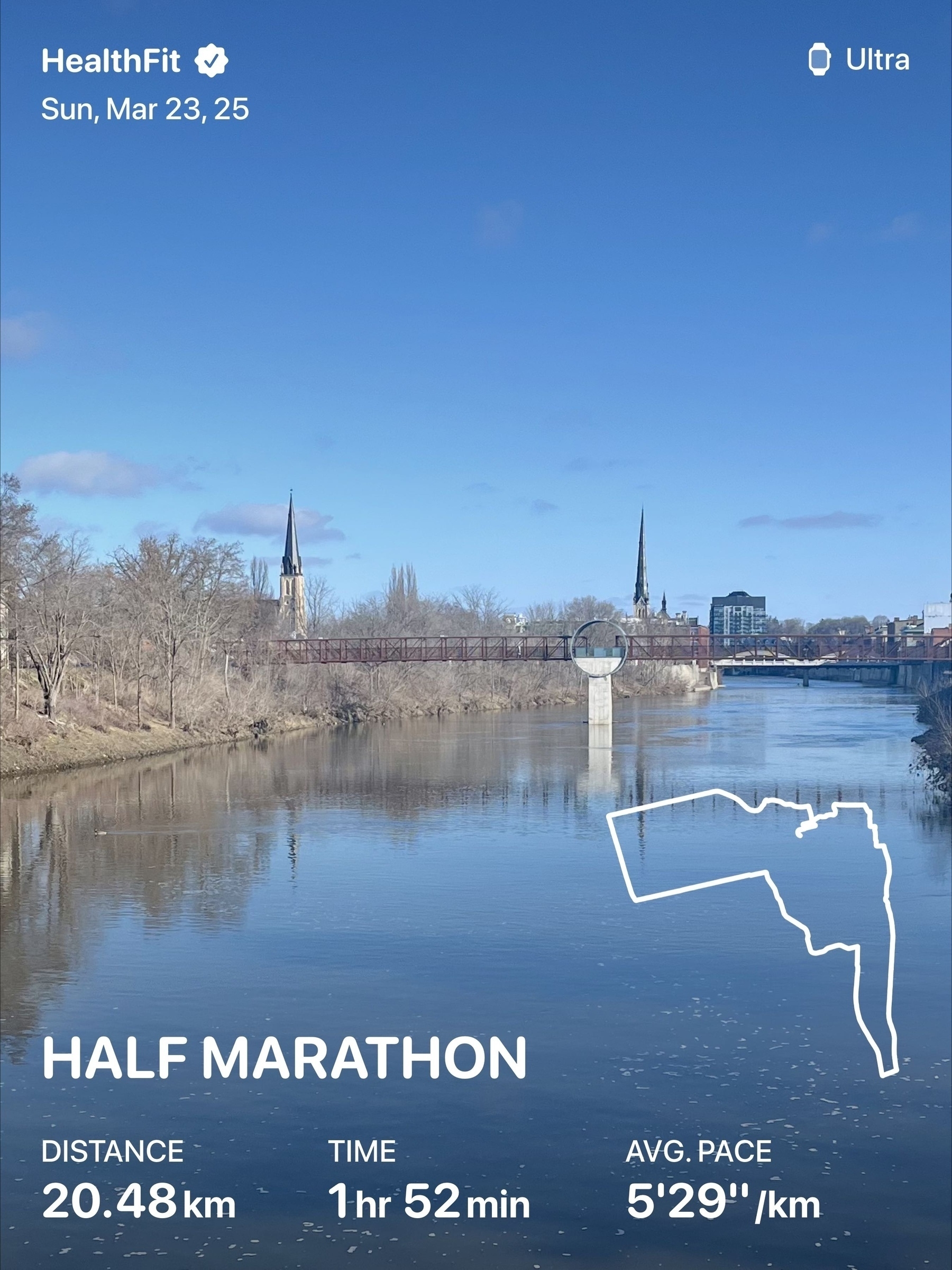
🏃♂️ Pool is closed today, so swapped in a long run
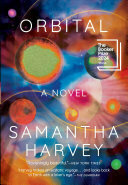
Finished reading: Orbital by Samantha Harvey is enthralling. Nothing much happens and yet so much about humanity, science, and our place in the universe is explored 📚
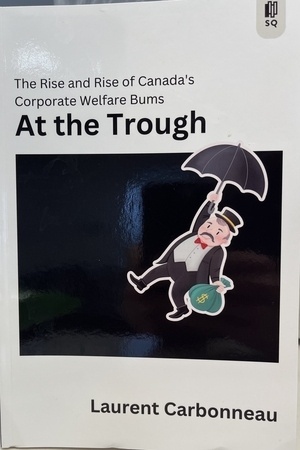
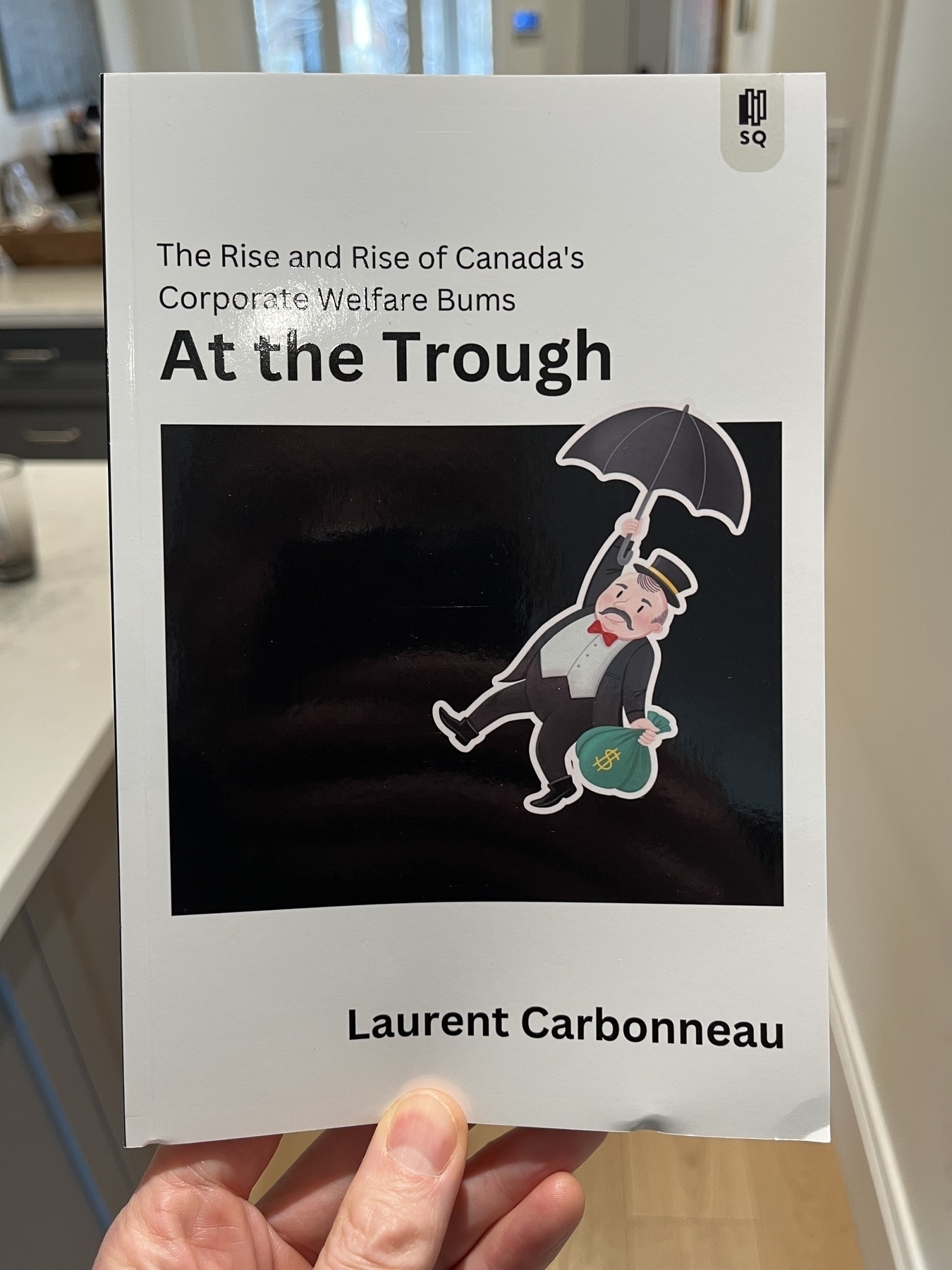
Finished reading: At the Trough: The Rise and Fall of Canada’s Corporate Welfare Bums by Laurent Carbonneau is a timely read, given Canada’s challenges 📚
🔗 The leader in your mirror by Paul Wells
We put too much burden on our leaders, and it makes them act silly. They shouldn’t be the perfect weapon of our vengeance, or the model of every virtue we admire but never quite get around to practicing. They don’t need to know everything. They can’t possibly get everything right on the first try, and we court trouble when we ask them to pretend they’ve managed the trick.
Riverdale Collegiate Institute. 📍
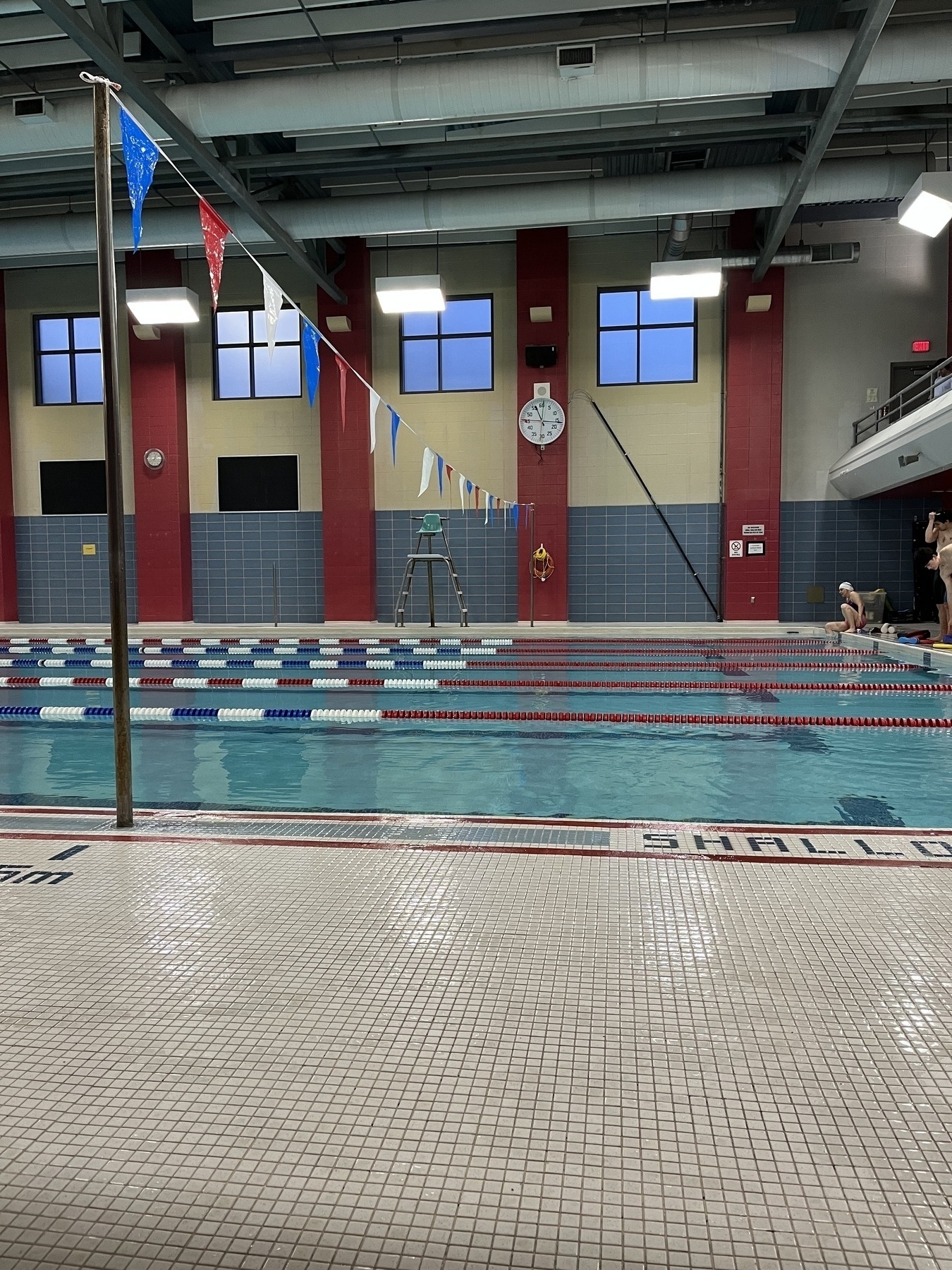
🏊♂️ Night swim
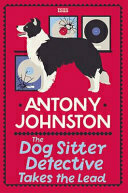
Finished reading: The Dog Sitter Detective Takes the Lead by Antony Johnston is a delightful murder mystery. Quite the cleanse after reading The Mercy of Gods 📚
Lights On by Annaka Harris is a fascinating “audio documentary” exploring the idea that consciousness is a fundamental building block of the universe, rather than emerging from complexity. Like Harris herself, I find the idea almost too wild and I’m not yet convinced. That said, the topic is fascinating and the documentary is really well done
Just posted on Six Colors: What to watch if you’re churning through Apple TV+
https://sixcolors.com/post/2025/04/what-to-watch-if-youre-churning-through-apple-tv/
A good list from Jason Snell. And, agreed that Bad Monkey was much better than expected.
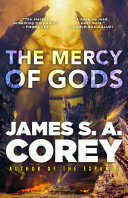
Finished reading: The Mercy of Gods by James S. A. Corey is a really promising (though often bleak) start to a new sci-fi series about humans (presumably) overcoming an alien invasion 📚
I’m late to this, but glad to see Milo Beckman is back with the video series on Math Without Numbers
Currently reading: Taking a break from a seven-book streak of non-fiction to read The Mercy of Gods by James S. A. Corey 📚
🚴 After watching the dog slip and slide on the ice in the backyard, decided to swap today’s scheduled run for a Zwift ride

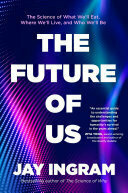
Finished reading: The Future of Us by Jay Ingram is a broad overview of how science and technology is affecting all parts of our lives from food, to transportation, and to health. I’ve read deeper books on the individual topics. This one provides the overview 📚
📖 The latest Sutherland Quarterly book has arrived: At the Trough: The Rise and Rise of Canada’s Corporate Welfare Bums by Laurent Carbonneau. Likely going to be a provocative and frustrating look at government policy
🎶 The Rush 50 release is delightfully epic and much more than a greatest hits collection. Fun to hear their really early stuff again and to revisit later songs that didn’t get enough attention.
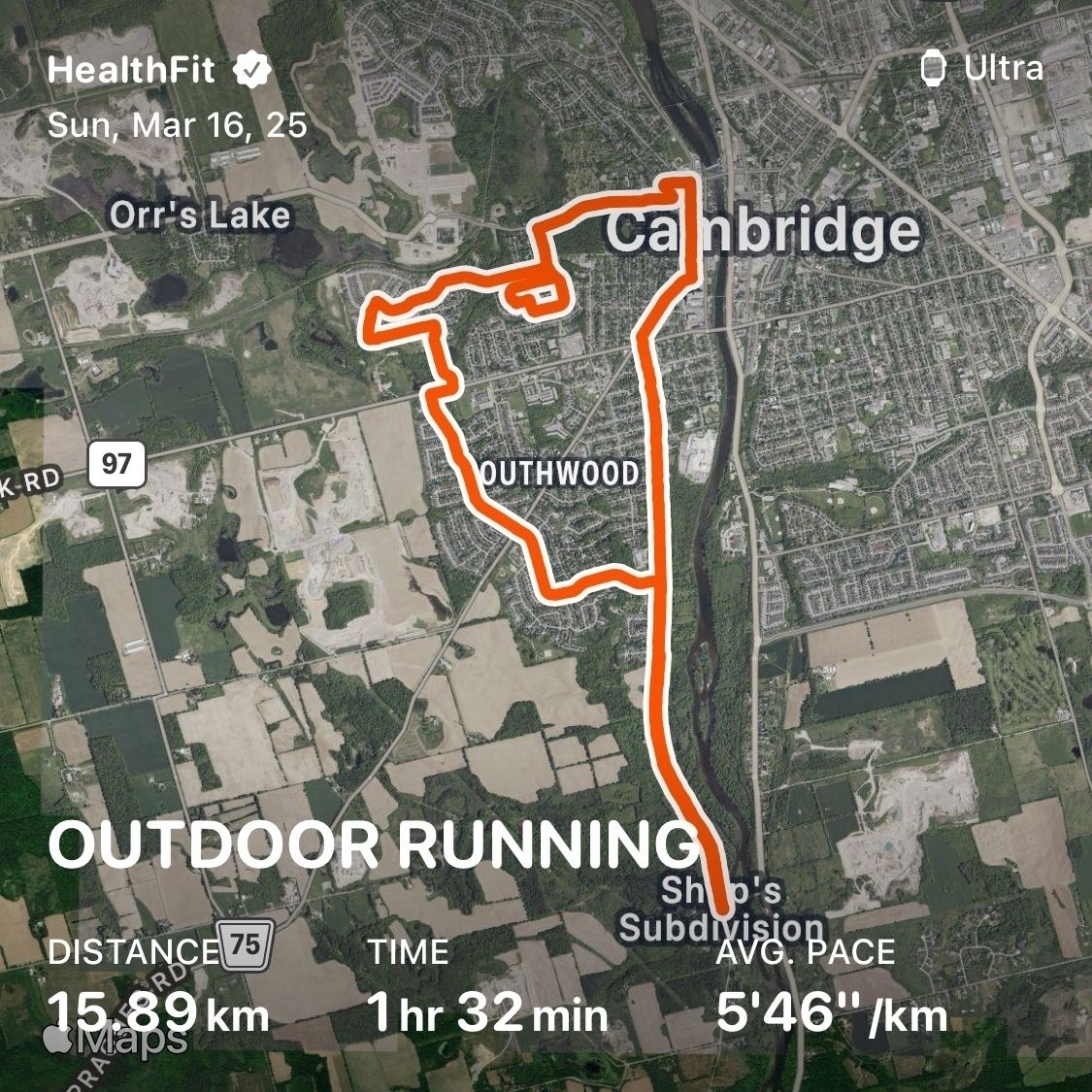
🏃♂️ Tried a new route on today’s run
That Severance Season 2 finale is 🔥
Finished reading: Matthew Scace tells the harrowing tale of a major forest fire in Jasper on Fire 📚

📚 Finished reading: The Light Eaters by Zoë Schlanger is a fascinating book about how sophisticated and under appreciated plants are: they can detect relatives, “see” their surroundings, manipulate their environment, and make complex decisions.
Near the end, Schlanger writes:
Now when I spot a tendril that is making its way through a crack in the sidewalk, I internally commend it for its resourcefulness. I feel I know about some of what it took for the plant to do that-the small miracle of its germination, the craning of its elongation, the articulation of the hundreds, maybe thousands of fine root hairs, right now probing its belowground world for sustenance. I think about the stem cells in each of its growing tips, poised and ready to become whatever sort of flesh the plant needs them to be. The whole being a sensitive, decisioning network spread throughout hundreds of limbs, thousands of roots. A body in motion, adapting in real time to every subtle shift, flowing like water through its surroundings and taking note of the shape and smell and texture of it all.
🏃♂️ 👍 to shorts 👎 to wind and rain on today’s run
🔗
What I always find so striking is that these ‘clever’ a-historical solutions both batter suspension of disbelief but are also a lot less actually clever than the historical solutions.
Bret Devereaux continues his fun series of critiquing The Ring of Power from the perspective of a medieval historian.
Nice surprise to see The Wheel of Time Season 3 show up on my AppleTV today. A great show and I hadn’t been following along with development of the new season.
You never had control; all you had was anxiety.
The Imperfectionist: Toxic preconditions
Good nerdy fun
A fun song from DARKSIDE that gives a good sense of the variety on the album
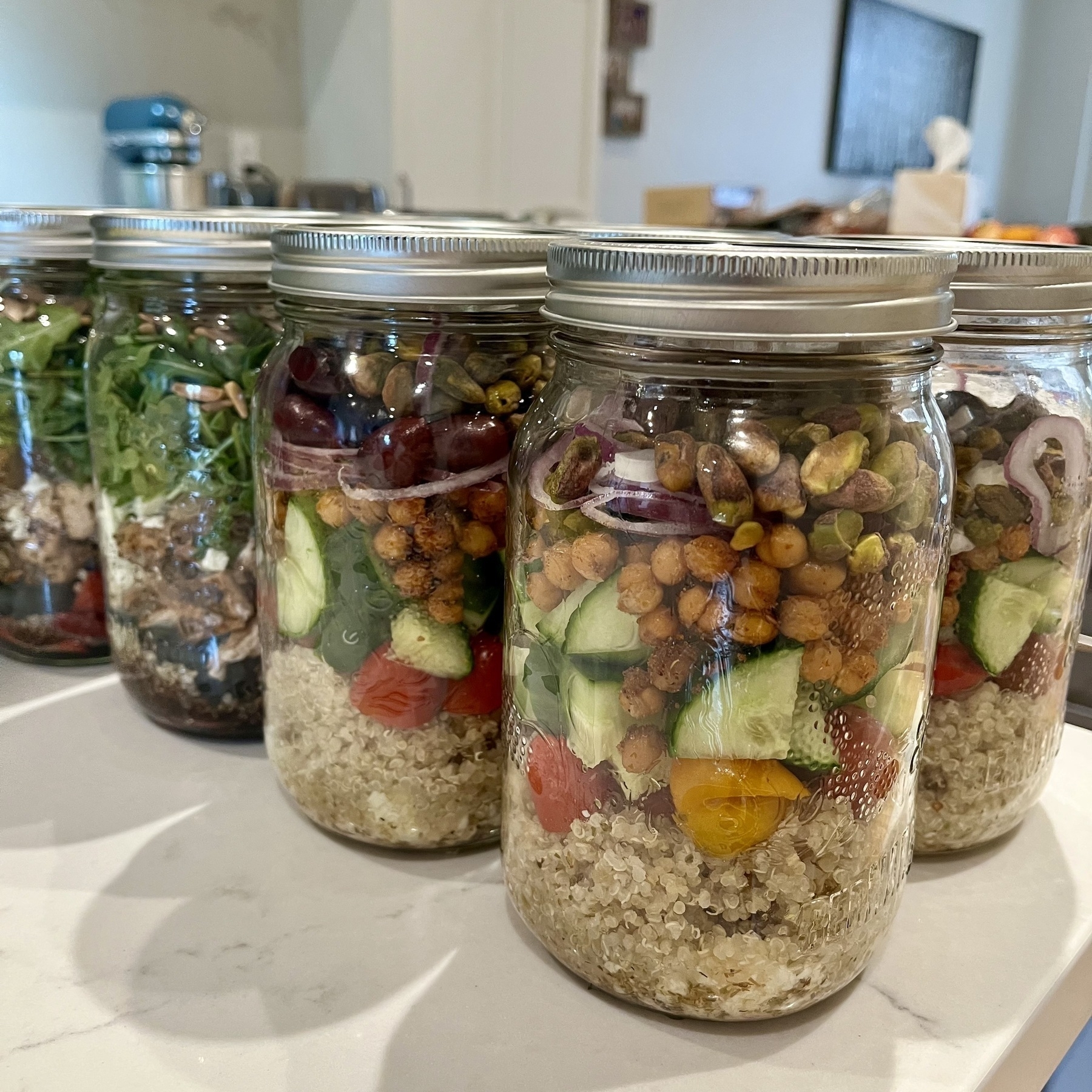
Lunch salads for the week prepared