Project Hail Mary is a very fun movie 🍿
Microposts
🎵 Hooray, new music from both Wintersleep and The New Pornographers is out this week
Something is happening. The dam has burst on almost two decades of tightly-managed, coordinated and targeted political messaging. In its place we’re seeing a communications approach that’s more free-flowing, discursive, open and adaptable.
Such a welcome change. I hope it lasts.

Finished reading: Arctic Passages by Kieran Mulvaney nicely integrates the past, present, and future of the Arctic into a compelling story about climate change, geopolitics, history, and exploration 📚
🎵 Song of the week for my daughter — Wheat Kings by The Tragically Hip from Fully Completely. A Canadian classic!

Finished reading: Count Zero by William Gibson is great. Not sure why I waited almost thirty years after reading Neuromancer to read this one. I certainly won’t wait as long to read the third book of the trilogy 📚
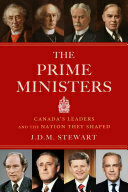
Finished reading: The Prime Ministers by J.D.M. Stewart was exactly what I wanted: a concise and clear summary of each Candian Prime Minister. That was a gap in my knowledge that is now closed 📚
🏃♂️ Winter was back for today’s run
🎵 Song of the week for my daughter — How Soon Is Now? by The Smiths. A classic alternative song that still sounds great to me.
Go by The Chemical Brothers showed up just in time to get me through today’s tough ride 🚴🎵
So I propose (years late, many bucks short) we just toss it all in the bin and go back to the beginning. Blogs, newsletters, IRC, mailing groups, and, sure why not, Usenet, go nuts. (The jury is still out on forums, but I suspect they are actually a stunted malformed sapling sprung from the same seed of evil that created modern social media.) These things are time tested, functional even in the face of overwhelming lack of interest from the general internet, and are, most importantly, utterly unbreakable. A specific blog, irc etc etc might disappear, but that won’t take anything besides that one facet of a larger whole with it.
I don’t think this is just nostalgia, though there is some of that. The “old” internet was robust and vibrant in a way that modern sites aren’t.
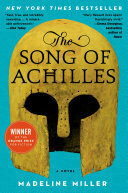
Finished reading: The Song of Achilles by Madeline Miller is very well done. Really fleshes out the Achilles myth and brings Greek heros and gods to life 📚
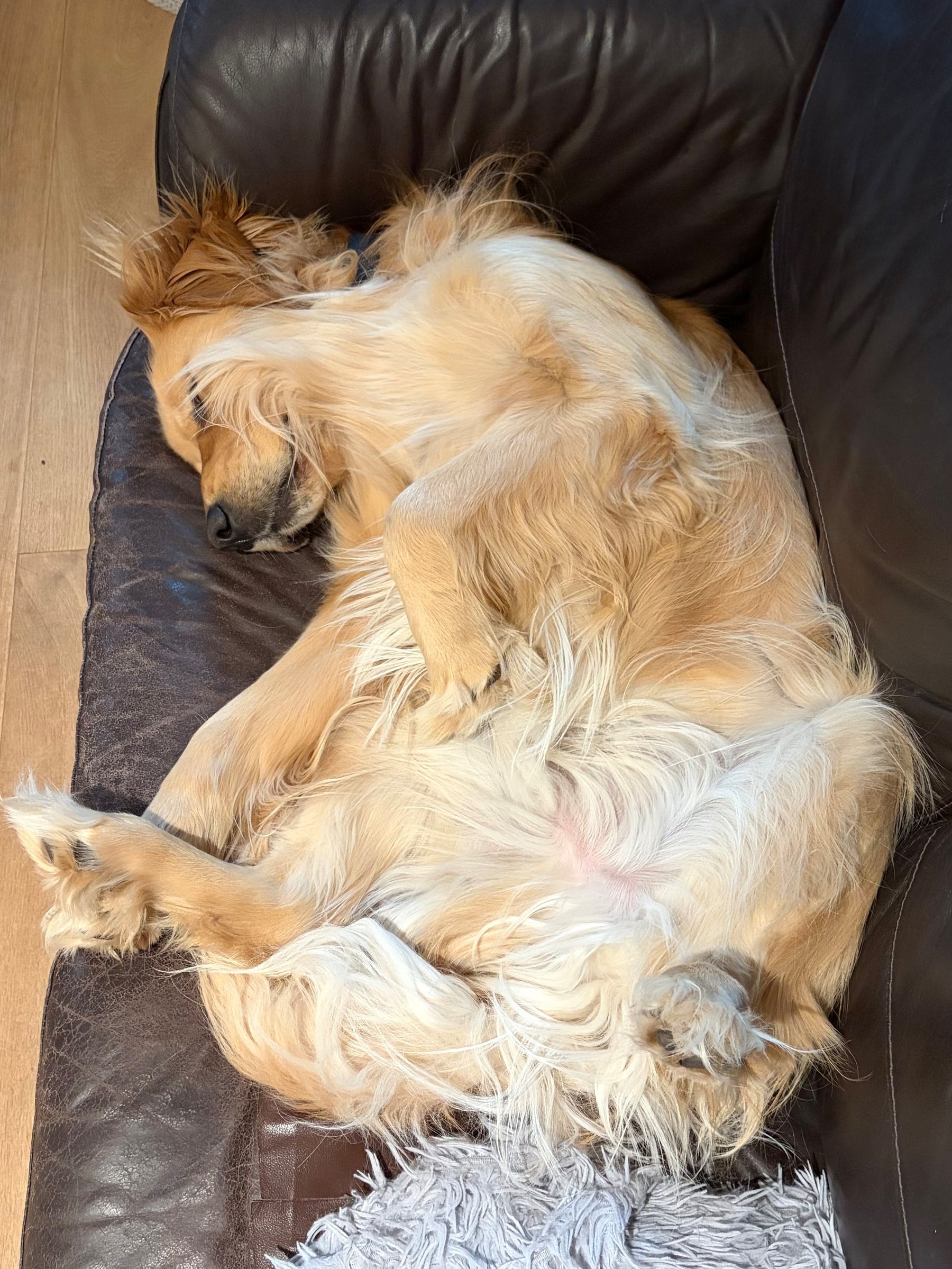
George had a busy day
🔗 Why the Online Harms Act is the Wrong Way to Regulate AI Chatbots - Michael Geist
Applying the Online Harms Act to AI chatbot conversations now risks reopening the very issues policymakers previously sought to avoid. In fact, it is difficult to see the difference between something posted to an AI chatbot or similar content entered into a search query or included in text message or email correspondence. If proactive monitoring of searches, emails or texts is subject to privacy safeguards, so too should be AI chatbot engagement.
I’m all for smart regulation of AI, but agree that this isn’t the way to go.
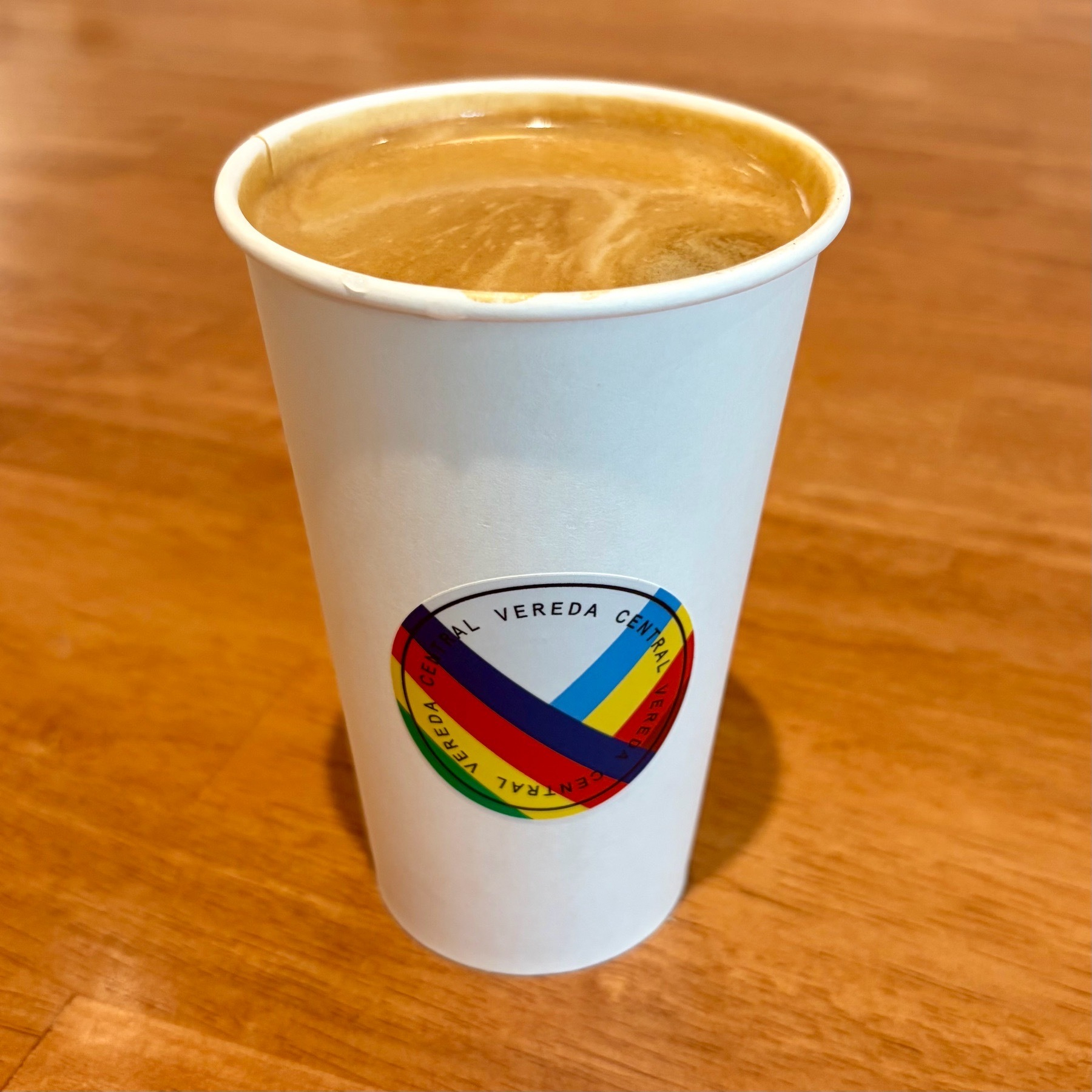
Vereda Central. 📍
☕️ Tried a new (to me) coffee shop nearby: Vereda Central. Good coffee!
Great advice from Greg Morris in Noticing, Not Performing
Noticing your life doesn’t require depth. It requires attention.
Once I stopped trying to use my journal as a memoir and just captured daily thoughts, feelings, and happenings, my journal became useful and enjoyable.
🔗 Boredom Is the Price We Pay for Meaning - The Atlantic
But boredom needn’t be destructive. The discomfort of boredom, even the anguish of it, can spur us into flights of imagination, resourcefulness, and invention. It can prod us to seek more absorbing circumstances: a career more aligned with our interests, a partner more aligned with our needs, a livelier town, better hobbies, new forms of beauty and inspiration.
Boredom is the price we pay for a life rich with meaning. Recognizing this makes the feeling more endurable.
Even though my meditation practice helps with this, boredom is still tough to embrace. My best strategy so far is to generally leave my phone by the door, rather than always carry it around. Then, those moments when I’m tempted to pull out my phone for a distraction, can’t be avoided.
🎵 Song of the week for my daughter — Don’t Swallow the Cap by The National from Trouble Will Find Me. Likely my favourite song from them.
Losing Everything (feat. Anaïs Mitchell) by Donovan Woods from Squander Your Gifts is a highlight of a great new EP 🎵
I’m looking forward to this season of For All Mankind 🚀
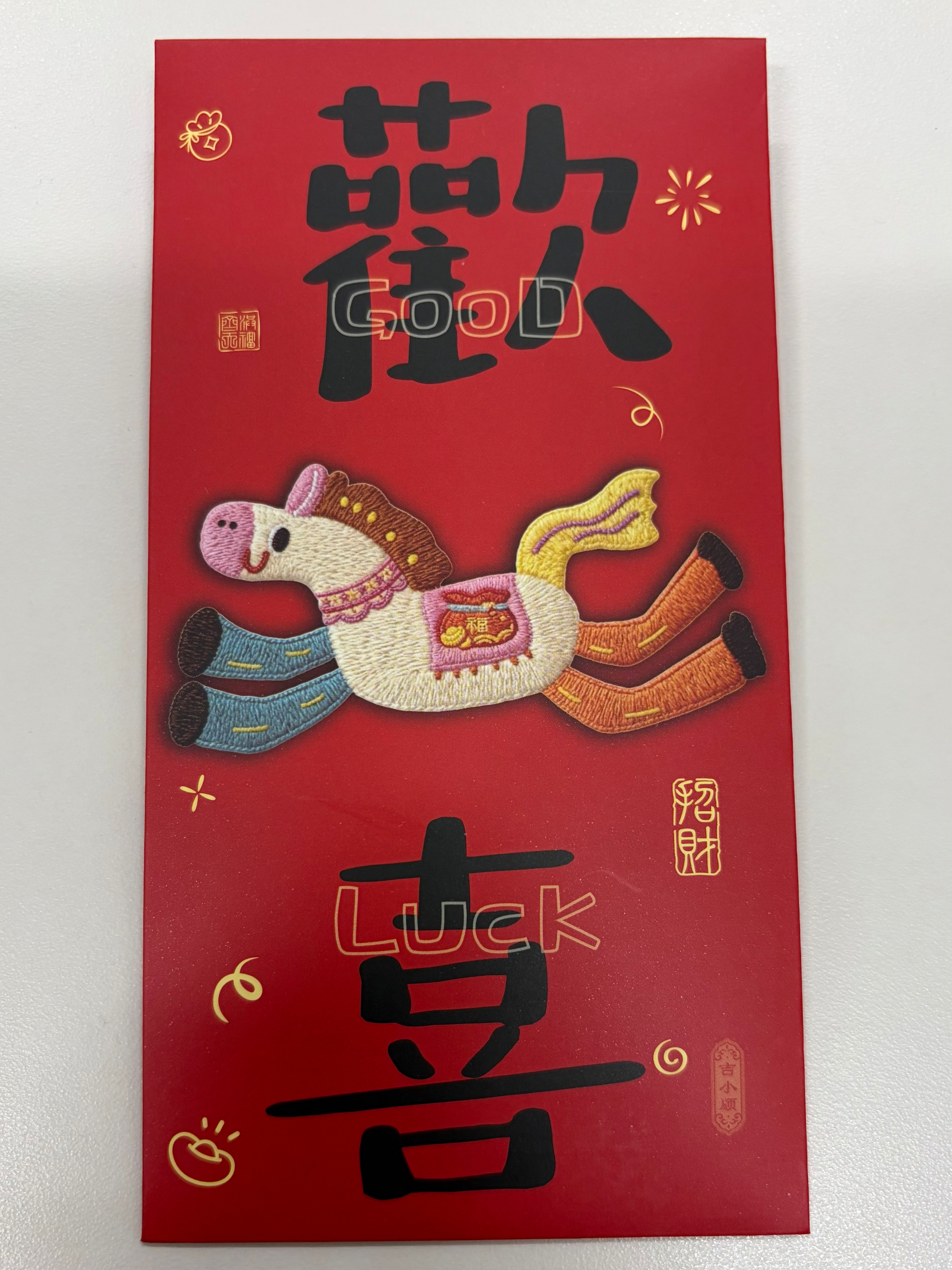
Thanks to my colleague for this nice card
🎵 Song of the week for my daughter: With or Without You by U2 from The Joshua Tree. Kind of ridiculous to pick a single U2 song, but I chose this one.

Finished reading: I really enjoyed The Bees by Laline Paull. Such an imaginative story about a bee hive 📚
🏃♂️ Winter was back for today’s run
🚴 Worldwide by Snõõper got me through some tough intervals on today’s ride 🎵
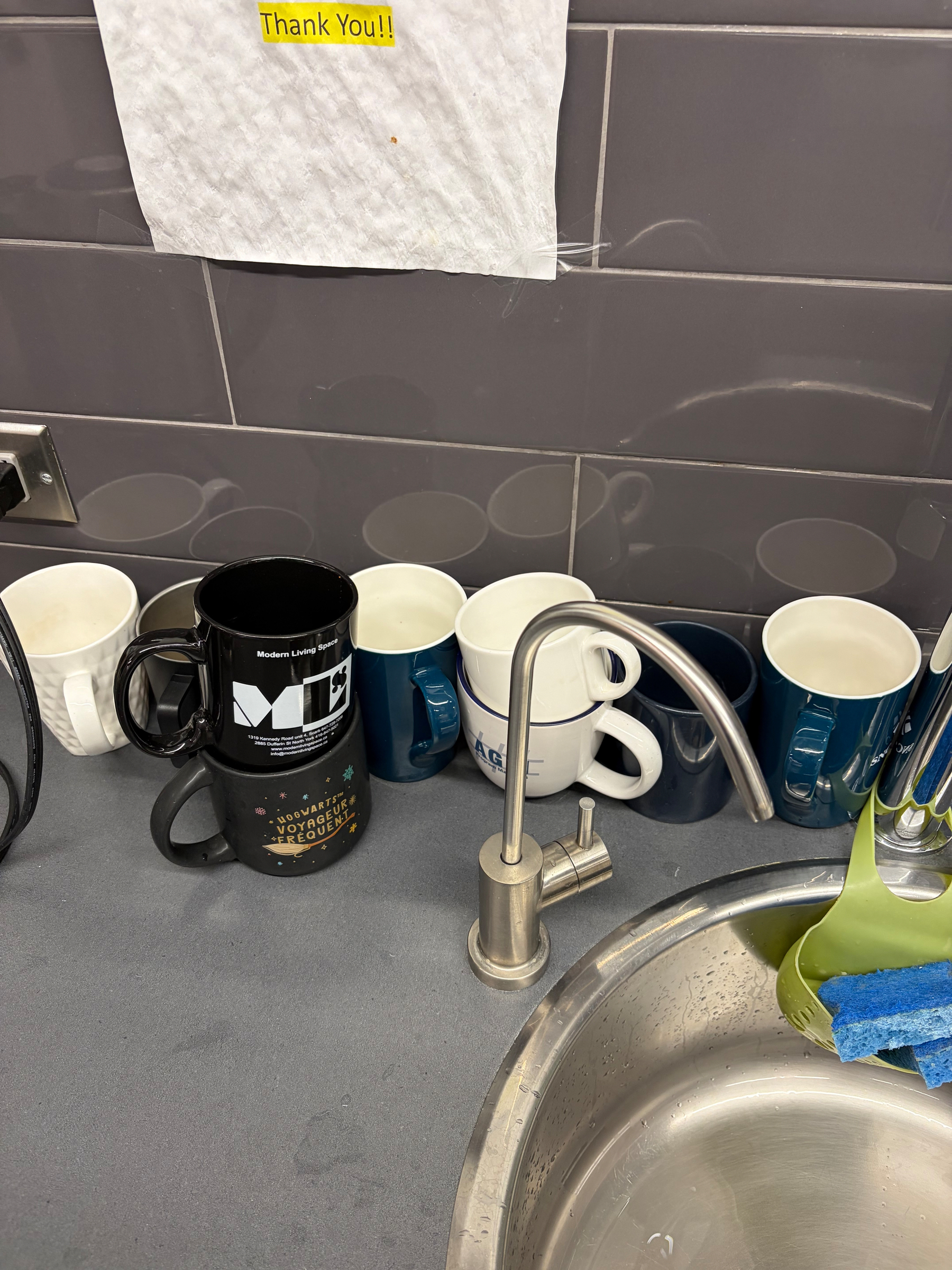
The office dishwasher broke and my colleagues have reverted to university dorm habits. Eventually someone will have to wash these
🏊♂️ 10 weeks since my last swim. This might be tough.

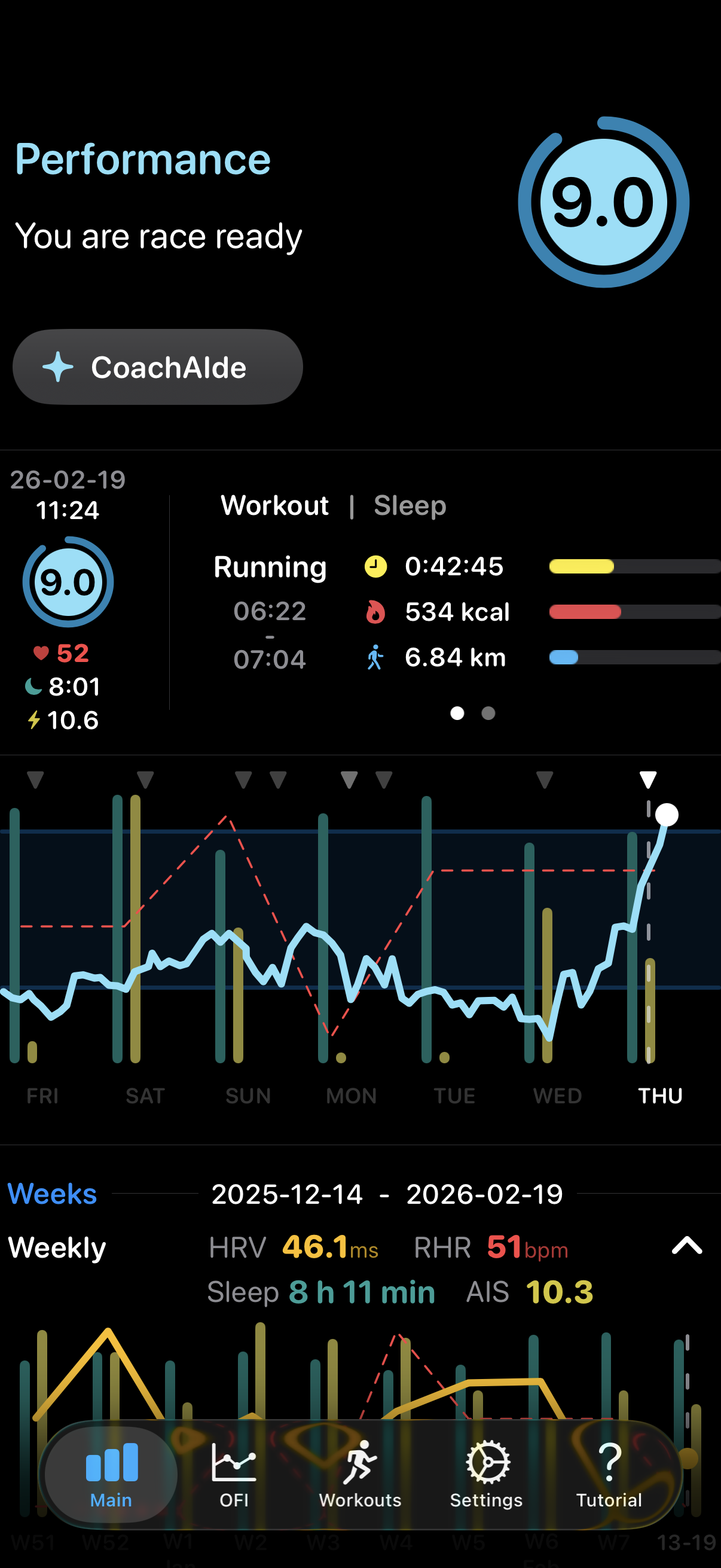
Although I am feeling better after a couple of weeks of being slightly off, this seems a bit too enthusiastic for me
Wednesday, February 18, 2026 →
⛑️ Recertified my first aid today. Although I’ve never handled more than a small cut over a few decades with first aid, I feel better knowing I’m at least partly ready if something goes wrong. A good reminder of how fragile we are and how just a small amount of training can make a big difference

Finished reading: Mavericks by Peter C. Newman is a fun collection of vignettes of infamous Canadians throughout history 📚