There’s a lot to like in Mark Carney’s speech at Davos. I certainly didn’t expect Thucydides and Havel to get cited.
Carney was clear about the problem. For example:
More recently, great powers began using economic integration as weapons. Tariffs as leverage. Financial infrastructure as coercion. Supply chains as vulnerabilities to be exploited. You cannot βlive within the lieβ of mutual benefit through integration when integration becomes the source of your subordination. The multilateral institutions on which middle powers reliedβ the WTO, the UN, the COPβthe architecture of collective problem solving β are greatly diminished.
Along with ideas about how “middle powers” should proceed:
This is not naive multilateralism. Nor is it relying on diminished institutions. It is building the coalitions that work, issue by issue, with partners who share enough common ground to act together. In some cases, this will be the vast majority of nations. And it is creating a dense web of connections across trade, investment, culture on which we can draw for future challenges and opportunities. Middle powers must act together because if you are not at the table, you are on the menu. Great powers can afford to go it alone. They have the market size, the military capacity, the leverage to dictate terms. Middle powers do not.
But when we only negotiate bilaterally with a hegemon, we negotiate from weakness. We accept what is offered. We compete with each other to be the most accommodating. This is not sovereignty. It is the performance of sovereignty while accepting subordination.
And a pitch for Canada:
Canada has what the world wants. We are an energy superpower. We hold vast reserves of critical minerals. We have the most educated population in the world. Our pension funds are amongst the worldβs largest and most sophisticated investors. We have capital, talent, and a government with the immense fiscal capacity to act decisively. And we have the values to which many others aspire.
Canada is a pluralistic society that works. Our public square is loud, diverse, and free. Canadians remain committed to sustainability. We are a stable, reliable partnerβin a world that is anything butβa partner that builds and values relationships for the long term.
Nor can we trust the American people to rise up against tyranny in any great numbers: they are not who they think they are, and far short of what they once were. Americans as a people today are unequal to their nationβs history and to their own sense of greatness. This is being demonstrated to us, every single day, in the clearest possible terms.
Out of a swirl of emotions that include anger and fear, I think the dominant one for me is sadness. America was obviously not perfect, but it at least had aspirations that I could admire and a long friendship with Canada that brought us both prosperity.
Of course, as Gerson points out, the real test will be what Carney and Canada do next:
In short, the Canada that Carney is describing is one that isnβt satisfied with half assery and speechifying. What would be truly provocative is if Carney didnβt just say the right things, but also demonstrated he was dead serious about following through with a plan to make this country tough enough to withstand Americaβs increasingly crazy bullshit.
Finished reading: The Second Mountain by David Brooks raises many important questions. According to Brooks, the first mountain is about personal achievement: career progression, wealth, and achievement. The second, more fullfilling mountain is about community, marriage, and religion. Although positioned as a “how to” book, Brooks provides many examples of paths to the summit of the second mountain. I think that’s appropriate. Each of us needs to find our own path, but good to know that the mountain exits and is traversable π
My right leg was signalling a potential injury. So, I converted this morningβs bike ride into a sleep in. Then had an extra coffee and listened to an episode of the Focused Podcast on Getting Intentional. Now I feel like a superhero, ready to take on the day!
Pizza night!
πΆ A mention in a Pitchfork review reminded me that Spiritchaser by Dead Can Dance is great. I hadnβt listened to it in at least twenty years.
Watched: The first few episodes of Alien: Earth Season 1 are good. Then the season gets bogged down. Several cool ideas though and definitely the creepiest sheep in TV. I’ll check out season two. The Incomparable has a good discussion of the season. πΏ
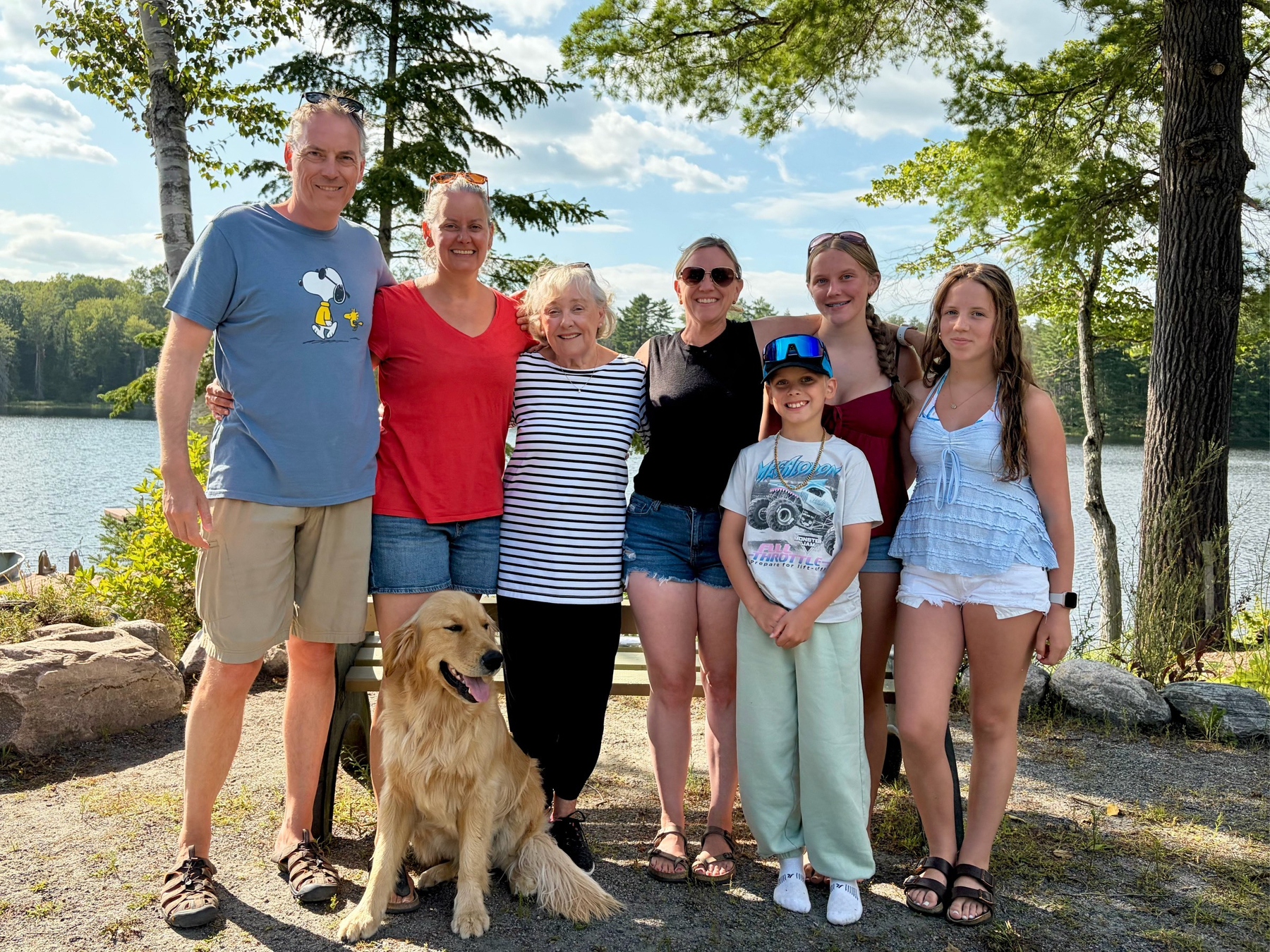
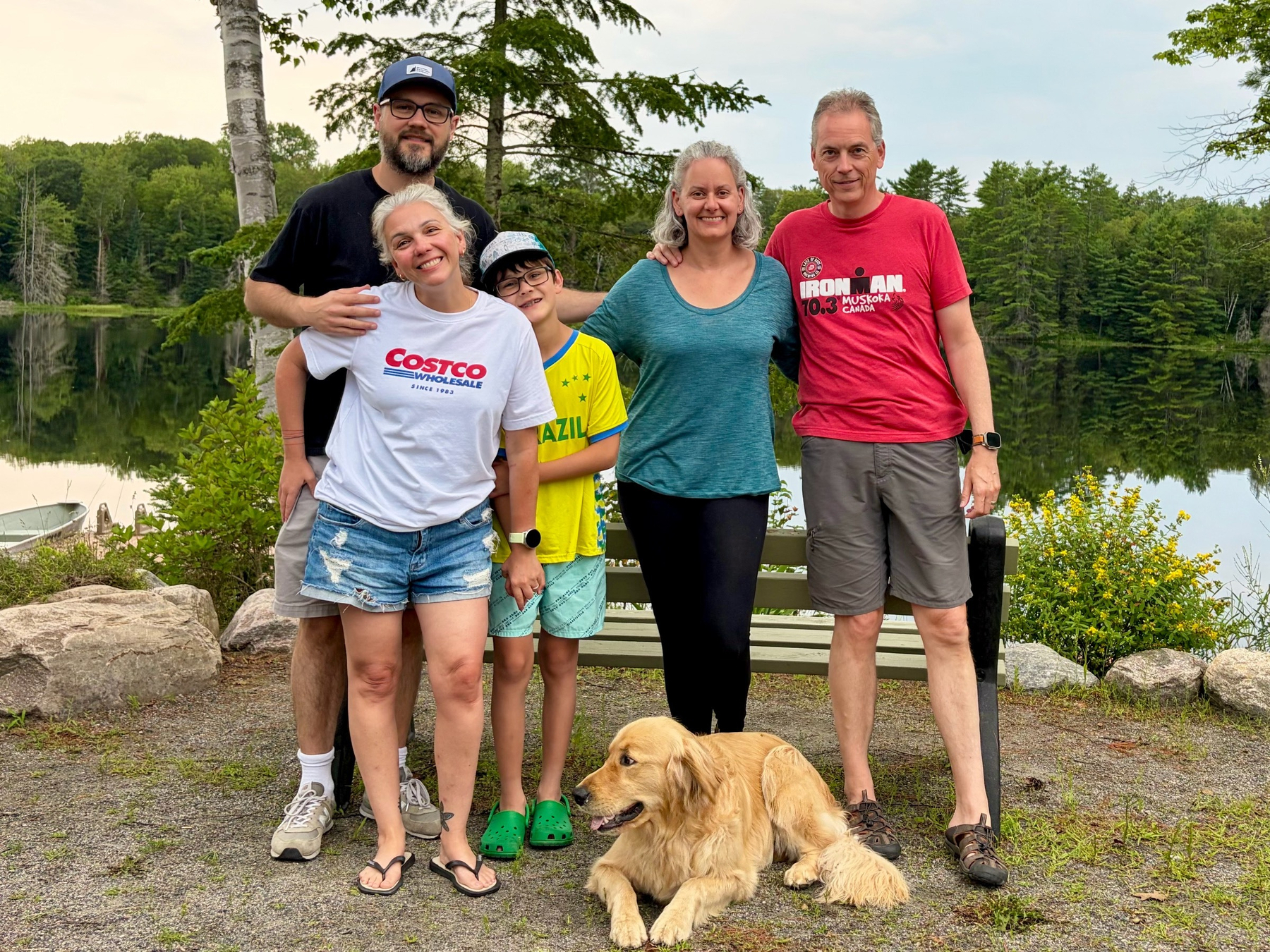
Georgeβs predecessors would be flabbergasted that heβs allowed on Grandmaβs couch
For awhile now, I’ve been archiving almost everything that I read online to Micro.blog Bookmarks. Originally this was because I was using it as my “read it later” service, but now I’m using the Reading List in Safari instead, as part of my return to defaults.
I have a vague sense that if I keep track of everything that I read, I’ll be able to analyze it in some meaningful way to identify trends or new ideas. But, I’ve never actually done this and I’m not even sure what I would learn, even if I did.
Partly in response to A Metabolic Workspace by Joan Westenberg, I’m going to stop doing this. Anything that is actually interesting, like Joan’s post, will get captured by my Commonplace entry script with which I provide at least some summary of why I captured it. Simply archiving every url has no use to me.
Otherwise, I’ll go back to using Micro.blog Bookmarks for its original purpose, which is to capture highlights in articles that I want to blog about. This workflow is good and targeted to a specific use.
A side benefit of my kids being old enough to drive, is that I actually get to hear their music now.
At home, they’re always listening with their AirPods, unlike when I was a kid. My parents had to endure our music: my brother and I both had component stereo systems with large speakers. Plus, we lived across the hall from each other, so we had to play our music loud, to be able to hear it over the other’s music!
In general, both of my kids have pretty good taste. Though, of course, some of the new music is too weird for me. I’m always pleased when I hear one of my favourites show up on their playlists. Evidence that I raised them right.
One nuisance with using a portfolio of fitness apps is that each one has a different idea for what my heart rate zones should be. Although not usually a problem, I do get different summaries of my training intensity across apps and, therefore, slightly different advice.
One solution is to just pick one app as canonical which for me has been HealthFit. As a supplement, I also went through and manually set them all to use the same zones, based on HealthFitβs βPercent of Heart Rate Reserveβ method. I like that this method incorporates my resting heart rate and that I get slightly wider gaps between zones at lower intensities.
Although my resting heart rate is automatically calculated from my watch, my maximum heart rate is more subjective. For this Iβve taken my maximum heart rates from recent HIIT workouts which I think is close enough for my needs.
Iβm mostly doing this because I want to be more precise in my workout intensities this year. Feels like a worthwhile experiment.
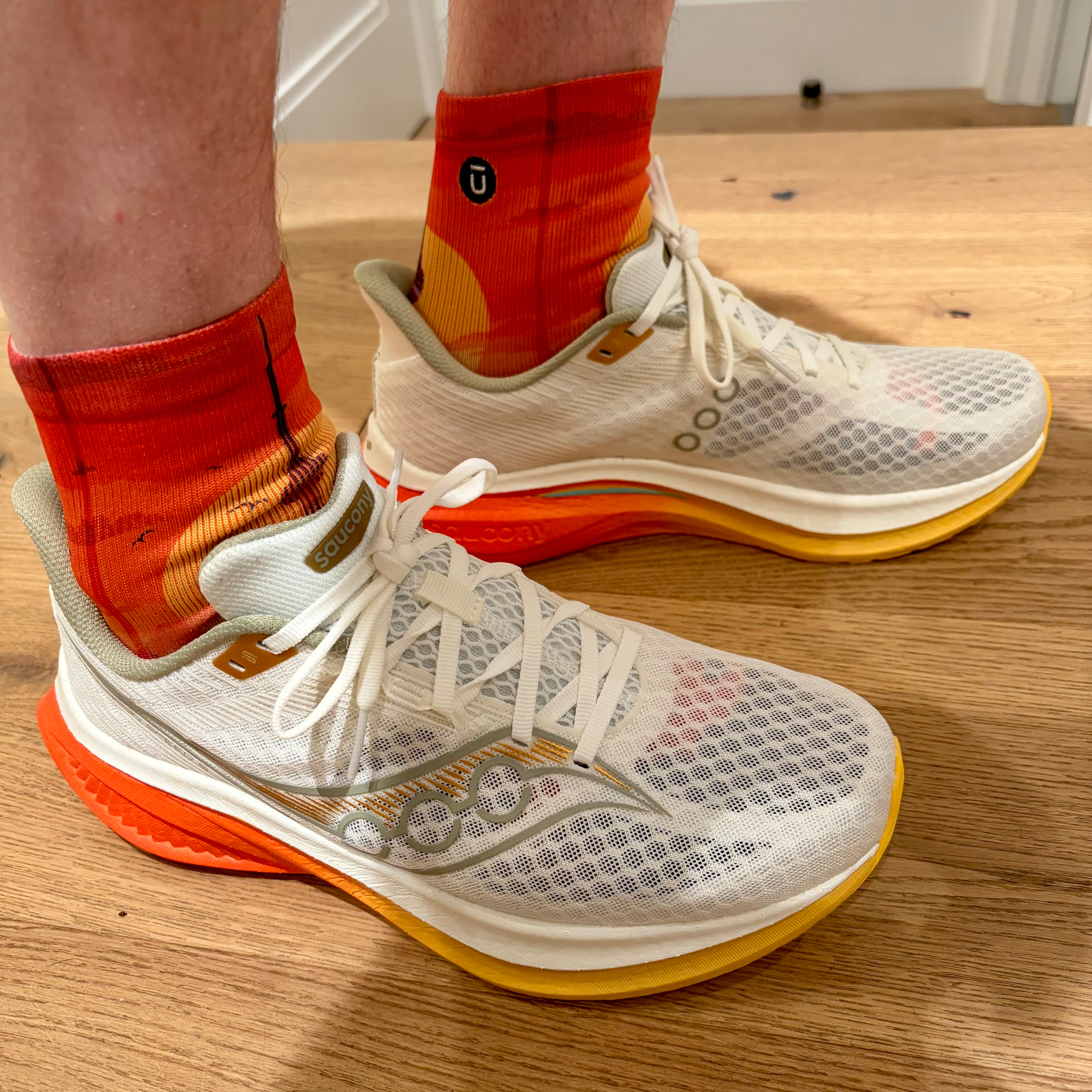
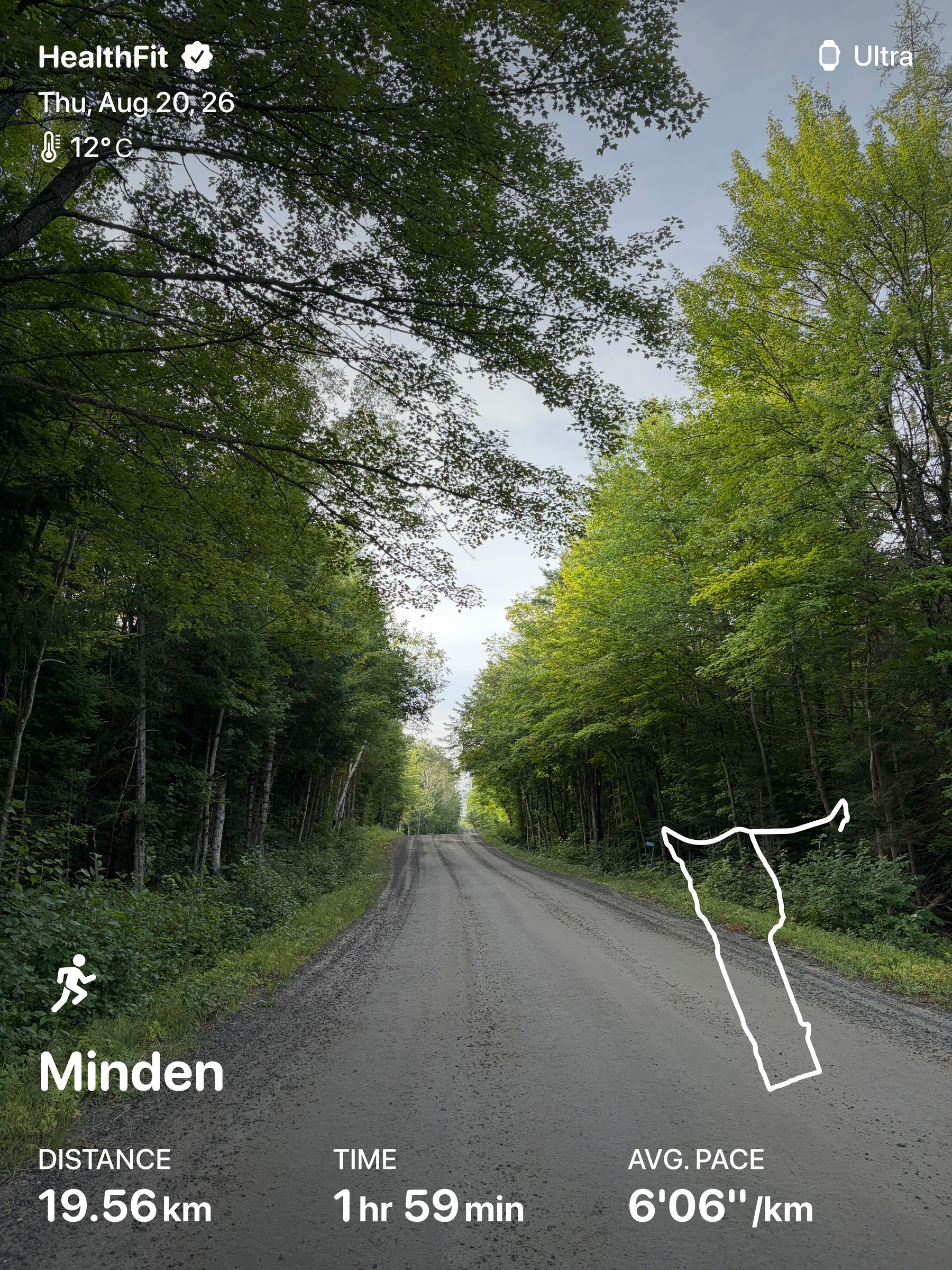
πββοΈ Snowshoes would have helped with parts of todayβs run. My Arcβteryx kept my feet warm, but extra effort for a relatively slow pace
In what is now an annual tradition, my son and I went for a polar bear swim in Lake Ontario. We usually go on January 1st, but yesterday was -20Β°C which seemed almost dangerous. “Only” -10Β°C today so much more reasonable π₯Ά.
I’m often asked why I would do such a strange thing. Part of it is for the tradition and challenge. The more thoughtful reason is symbolic. The bracing cold, excitement of running into the lake and back, and bonding with my son feels like a great way to shake off last year’s residual complacency and start the New Year with an adventure.
My first day back at work and the internet went down. Maybe I should take the hint?
No major changes planned for 2026. Maybe just some more targeted books on Canada, given the state of my nation and the rest of the world.
π Thanks to my family for a great set of books for Christmas this year.
Finished reading: Breaking Point by Darrell Bricker and John Ibbitson provides a very clear description of Canadaβs challenges. Thankfully it also provides good ideas on how to fix them. Pairs well with Andrew Coyneβs recent book, though they disagree on electoral reform. Although daunting, Iβm optimistic that this is an exciting time for Canadaβs rejuvenation ππ
This gap, between the world as it is and how weβre told to see it, comes down to a choice about what we do with our attention. Mission control doesnβt ignore danger. Itβs acknowledged, monitored, taken seriously. But knowing which emergencies require immediate action means you need to watch all the instruments, not just the alarms. Thatβs the difference between panic and an effective response.
An important reminder about the sensationalization of news
Finished reading: The Random Universe by Andrew H. Jaffe is an interesting exploration of probability and models in physics and cosmology. I also appreciated the historical context that showed how the models developed π